Why does it feel like the weather has stopped following rules?
Why are farmers checking forecasts more often than calendars?
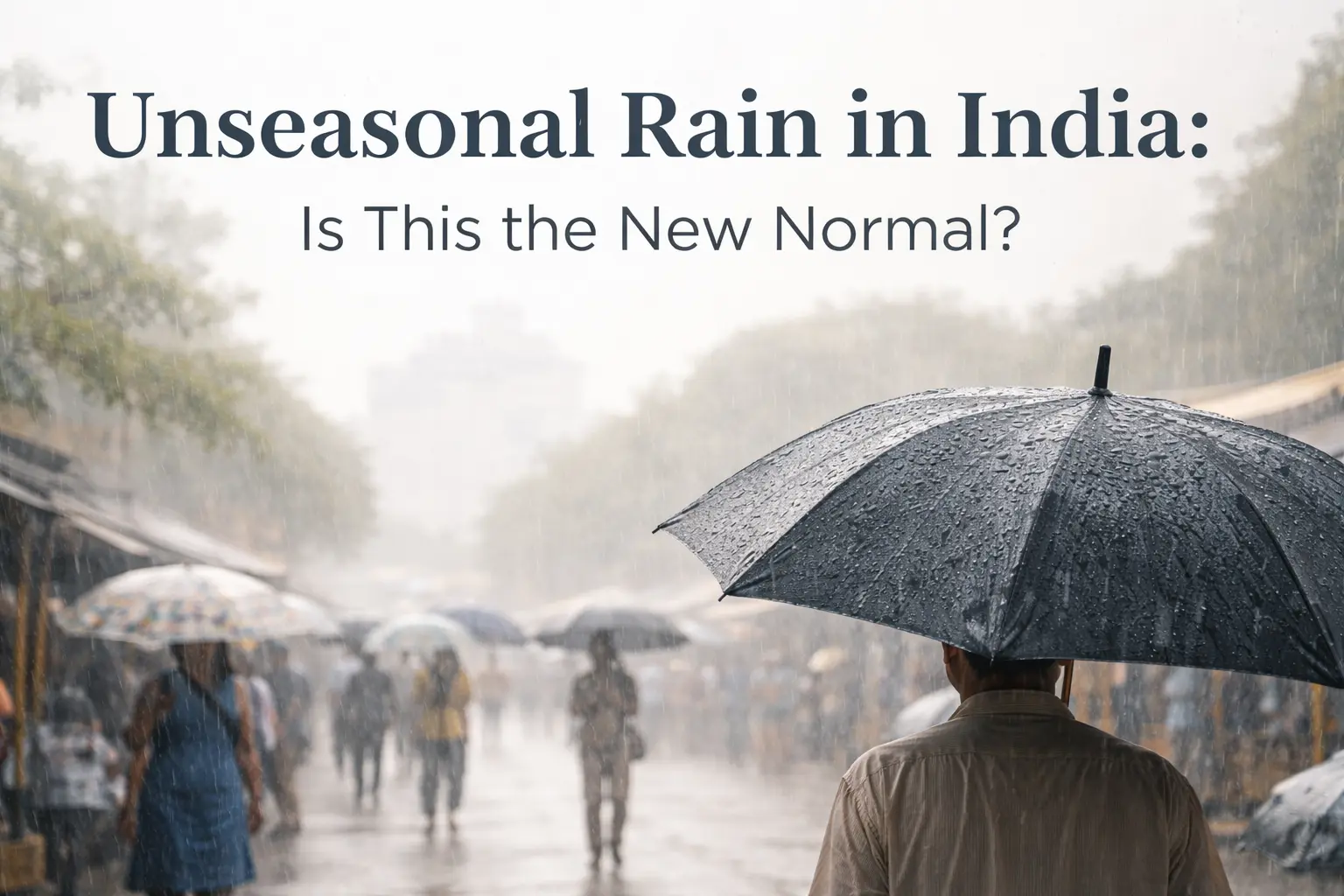
Across India, rain is no longer arriving on time—or leaving when it should. From sudden downpours in peak summer to unexpected showers during harvest season, the pattern is clear: something has shifted.
And it’s not just a coincidence anymore.
Introduction: When Seasons Lose Their Meaning
India has always been a land of predictable rhythms. Summers were harsh, monsoons were awaited, and winters had their own quiet chill. But now, those lines are blurring.
Unseasonal rain in India is becoming more frequent—and more disruptive. Cities flood when they shouldn’t. Crops get damaged days before harvest. Weddings, travel plans, even daily routines—everything feels a little less certain.
It’s not just “bad weather.”
It’s a pattern.
What’s Happening — And Why?
At its core, unseasonal rainfall means rain occurring outside the expected monsoon period. But the reasons behind it go deeper than just “climate change” as a buzzword.
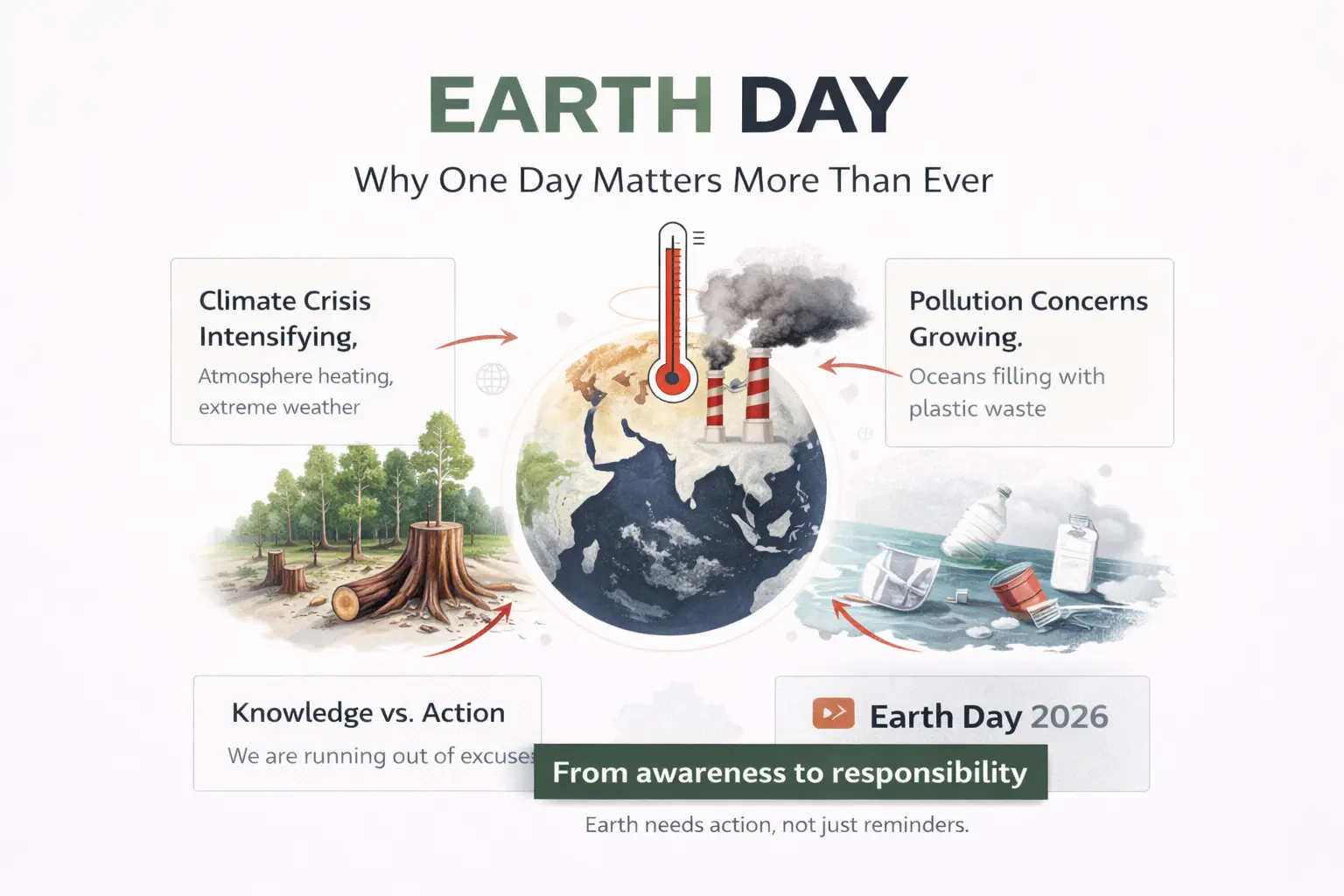
Rising global temperatures are warming the atmosphere. A warmer atmosphere holds more moisture. More moisture means more unpredictable rain.
Simple.
But there’s more.
Western disturbances are becoming stronger and more frequent
Jet stream shifts are altering weather systems
Urban heat islands in cities are intensifying localized rainfall
Deforestation and land changes are disturbing natural weather cycles
In the last decade, India has seen a noticeable increase in erratic rainfall events. Not necessarily more rain overall—but rain falling at the wrong time, in the wrong place.
That’s what makes it dangerous.
Impact: When Rain Becomes a Risk
For millions of Indians, rain is not just weather—it’s livelihood.
A farmer in Maharashtra watches his ready-to-harvest crop destroyed overnight by sudden showers. A street vendor in Delhi loses a full day’s income due to unexpected rain. A family in Bengaluru deals with flooded streets in what should be a dry month.
These aren’t rare incidents anymore.
They’re becoming routine.
The impact spreads across multiple layers:
Financial stress: Crop losses, supply chain disruptions, rising food prices
Mental pressure: Constant uncertainty, especially for farmers and daily earners
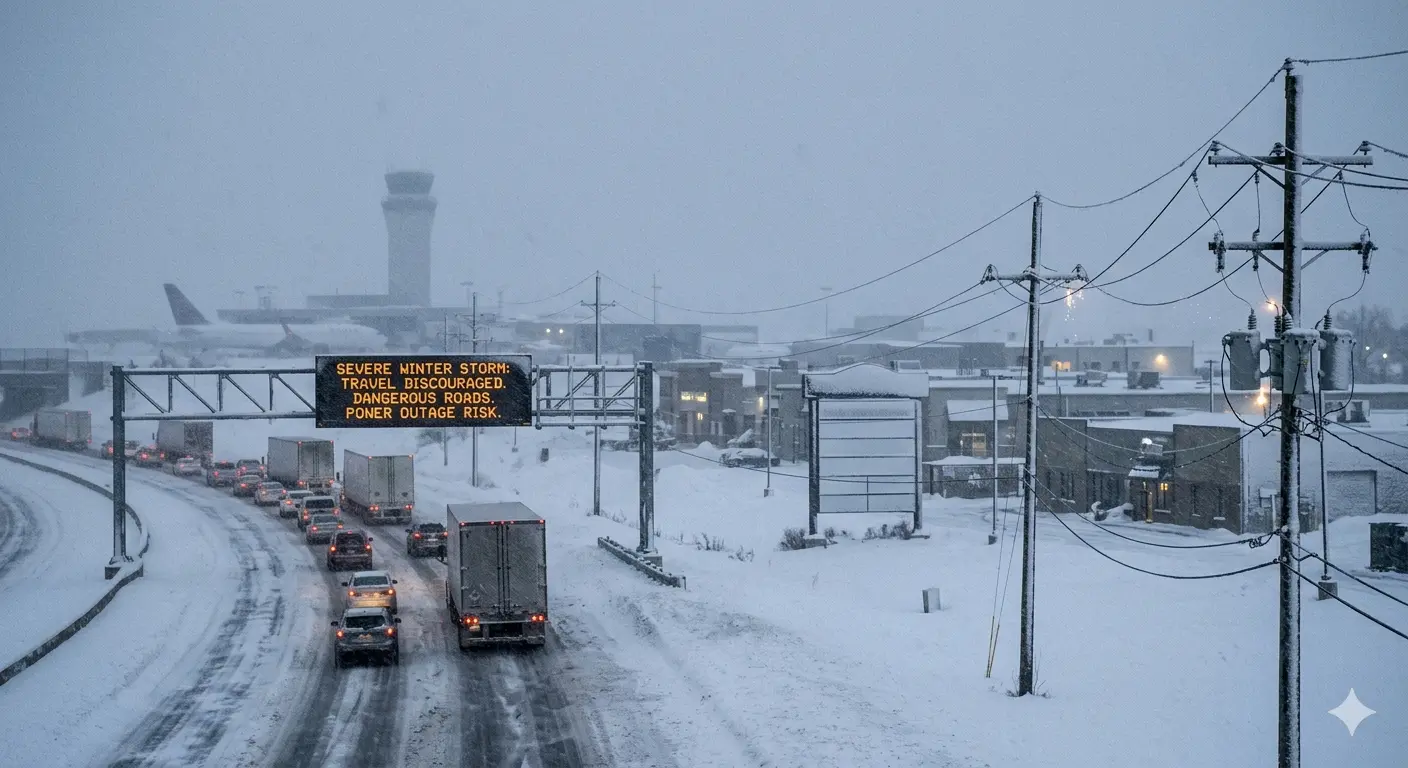
Urban chaos: Waterlogging, traffic jams, infrastructure failure
Health risks: Increased infections due to humidity and stagnant water
One unseasonal rain event can undo months of planning.
And people are starting to feel that pressure.
Insight: The Uncomfortable Truth We Avoid
Let’s be honest.
We still treat these events like exceptions.
But they’re not.
This is not “unusual weather” anymore. This is a new climate reality.
Here’s the uncomfortable part: while people suffer the consequences, systems are still reacting slowly. Infrastructure is outdated. Forecast communication is inconsistent. Planning is still based on old patterns.
We’re trying to solve a 2026 problem with a 2006 mindset.
And it shows.
“The problem isn’t just that the rain is unpredictable.
The problem is—we are still predictable in how unprepared we are.”
There’s also a deeper psychological shift happening. People are losing trust in natural cycles. When seasons become unreliable, planning becomes stressful.
And stress changes behavior.
You double-check plans. You hesitate. You adapt—but not comfortably.
A Real, Everyday Observation
You’ve probably noticed this yourself.
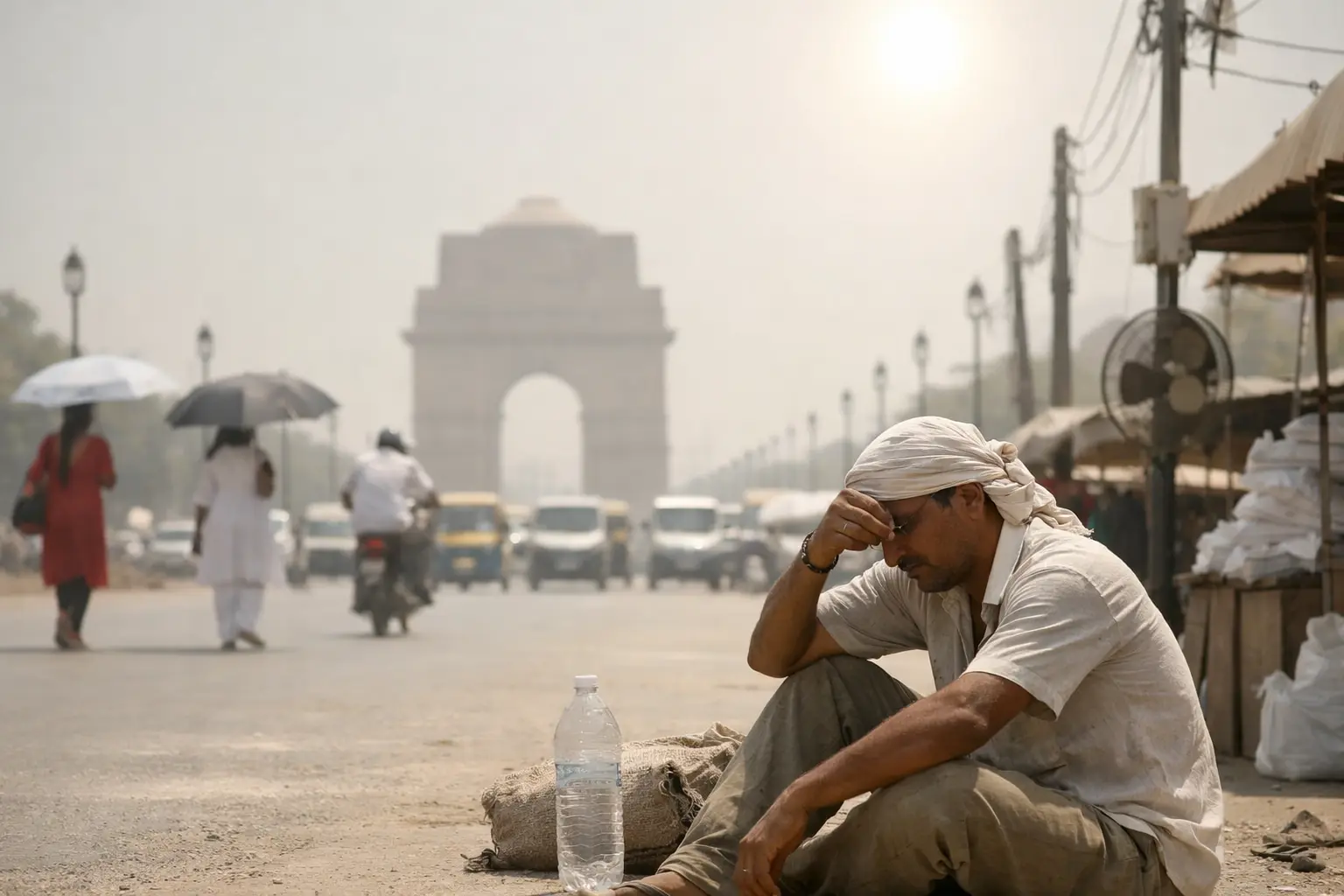
One day it’s extreme heat. The next day, unexpected rain cools everything down. Sounds nice—but it isn’t normal.
That sudden shift? That’s instability.
And instability always comes with a cost.
A Trend We Can’t Ignore
Compared to 15–20 years ago, weather patterns in India have become noticeably erratic. Even if total rainfall hasn’t drastically increased, the distribution has changed.
More intense bursts. Less predictability. Higher damage.
That’s the real shift.
Power Lines Worth Remembering
“Nature doesn’t break rules. It rewrites them.”
“When patterns disappear, planning becomes survival.”
“Uncertainty is no longer the exception. It’s becoming the system.”
Conclusion: Adapting to the New Normal
So, is unseasonal rain in India the new normal?
Yes.
And ignoring that reality is no longer an option.
The focus now must shift from surprise to preparation. Better forecasting systems, smarter urban planning, climate-resilient agriculture—these are no longer future goals. They are urgent needs.
Because the question is no longer if the weather will behave unexpectedly.
It’s when.
And the sooner we accept that, the better we can respond.
The seasons haven’t disappeared.
They’ve just stopped listening to us.