Iran Attacks Indian Oil Ships, Shuts Down Strait of Hormuz: Is This the Start of a Bigger Crisis?
What happens when one of the world’s most critical oil lifelines suddenly shuts down?
The answer is simple—and terrifying. Prices surge, markets panic, and millions feel the shock overnight.
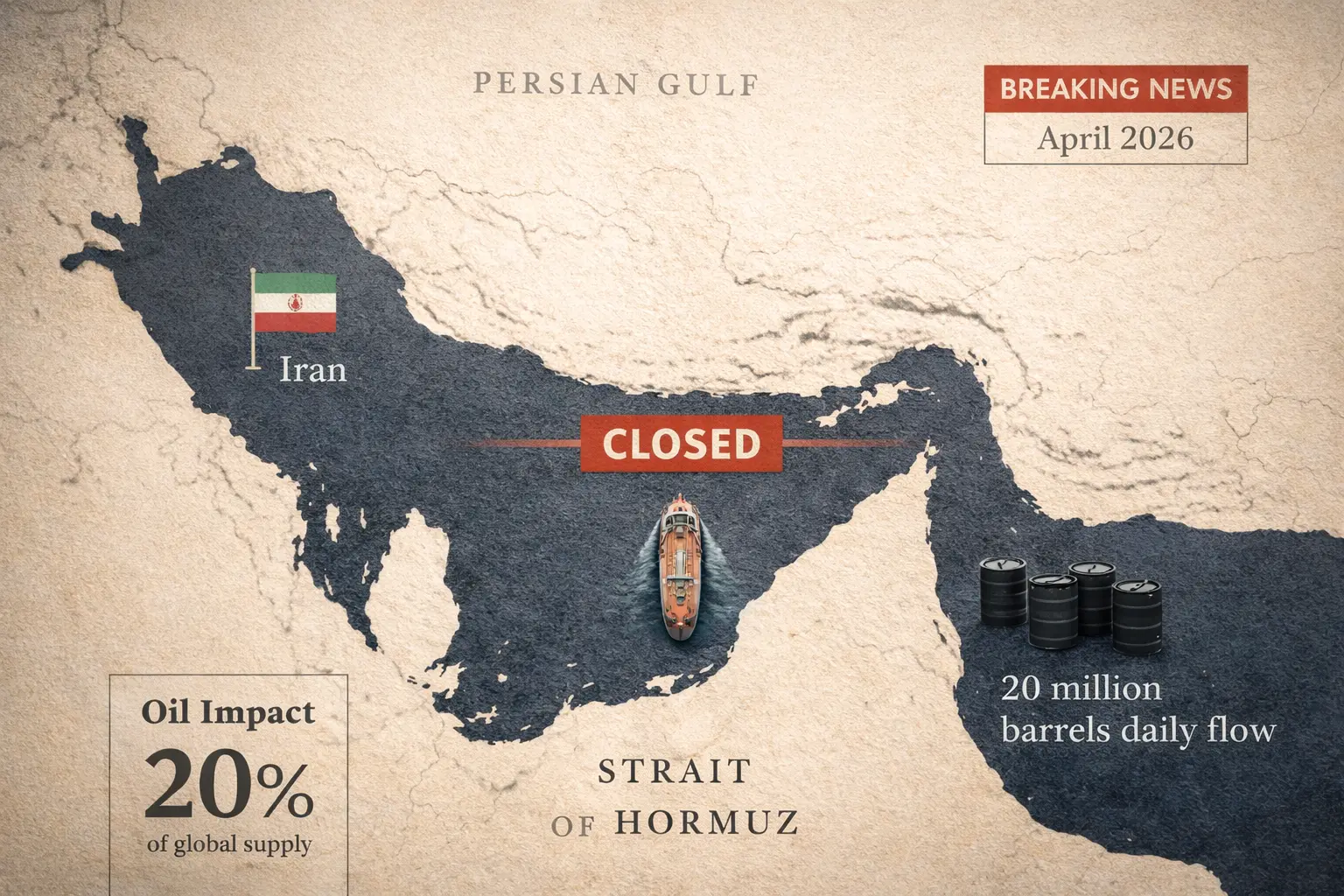
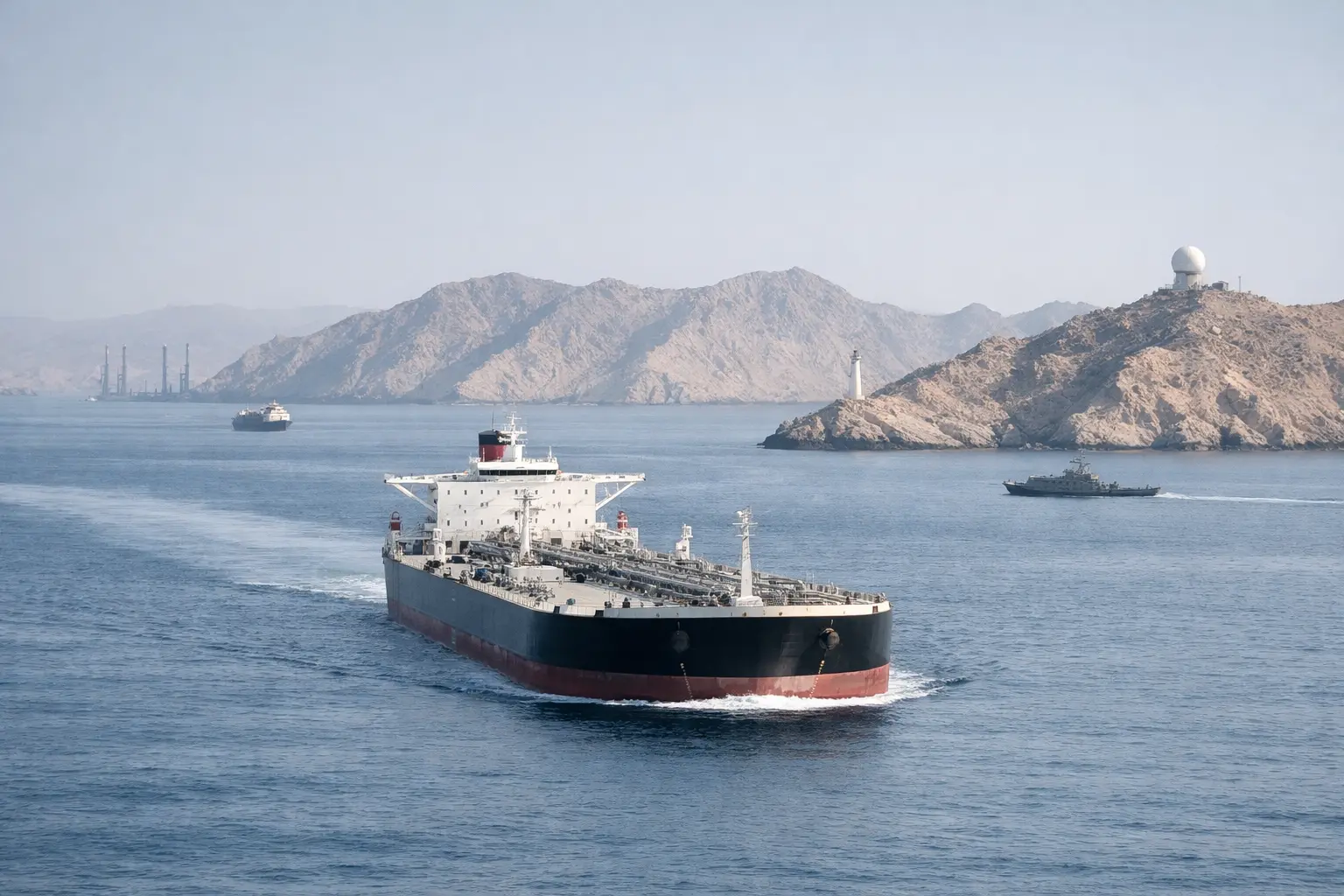
That’s exactly what unfolded as Iran reportedly attacked Indian ships carrying over 2 million barrels of oil and moved to shut down the Strait of Hormuz—a route responsible for nearly 20% of global oil trade. For a country like India, heavily dependent on imported energy, this is not just a geopolitical headline. It’s a direct hit to everyday life.
Introduction: A Shock That Travels Beyond Borders
Oil doesn’t just power cars. It powers economies, jobs, and stability.
And when that supply is threatened, the ripple effect is instant.
The Strait of Hormuz isn’t just another sea route—it’s the world’s most sensitive oil choke point. Any disruption here doesn’t stay local. It becomes global news within minutes.
Now it’s not just disrupted.
It’s weaponized.
Main Explanation: What Happened and Why
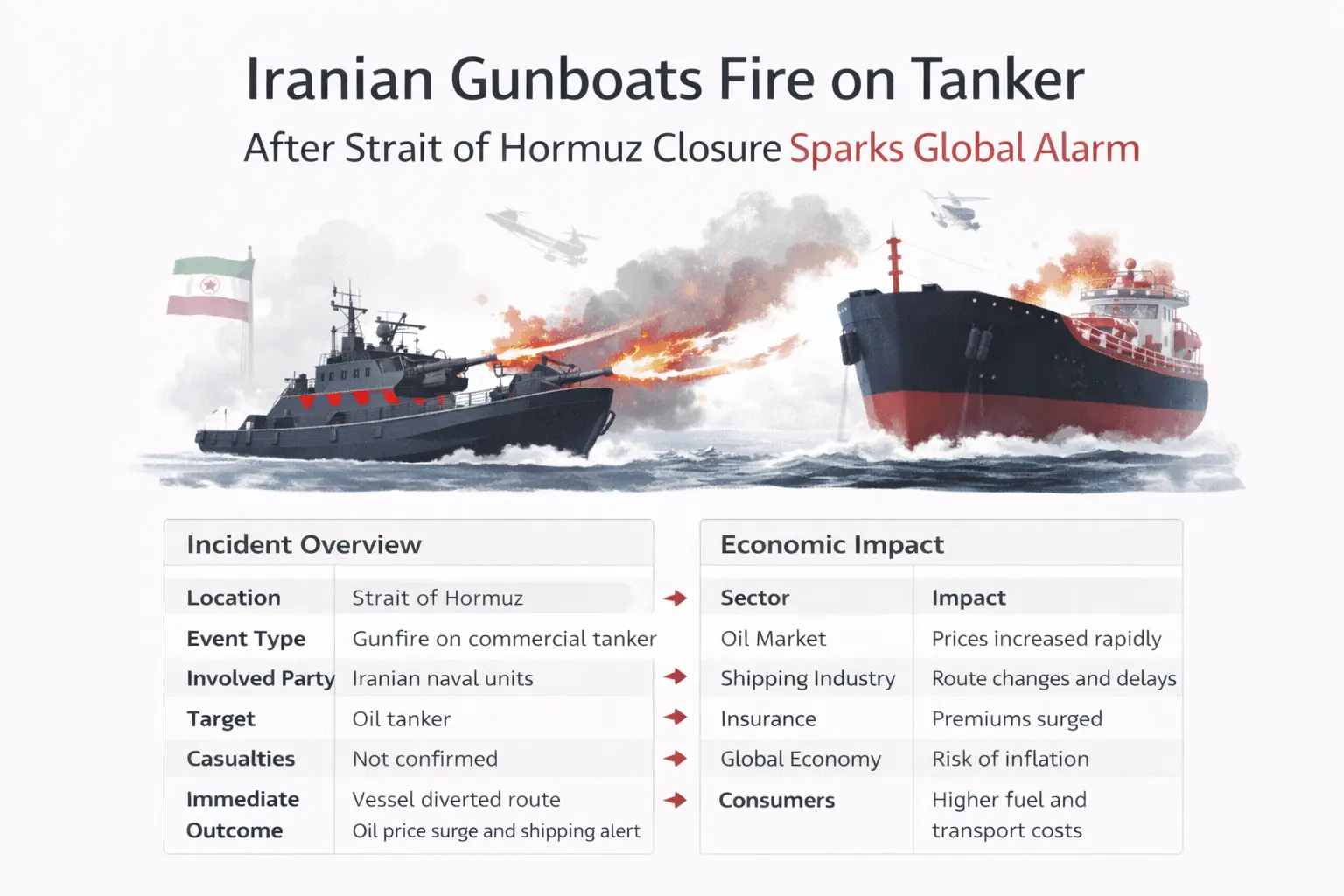
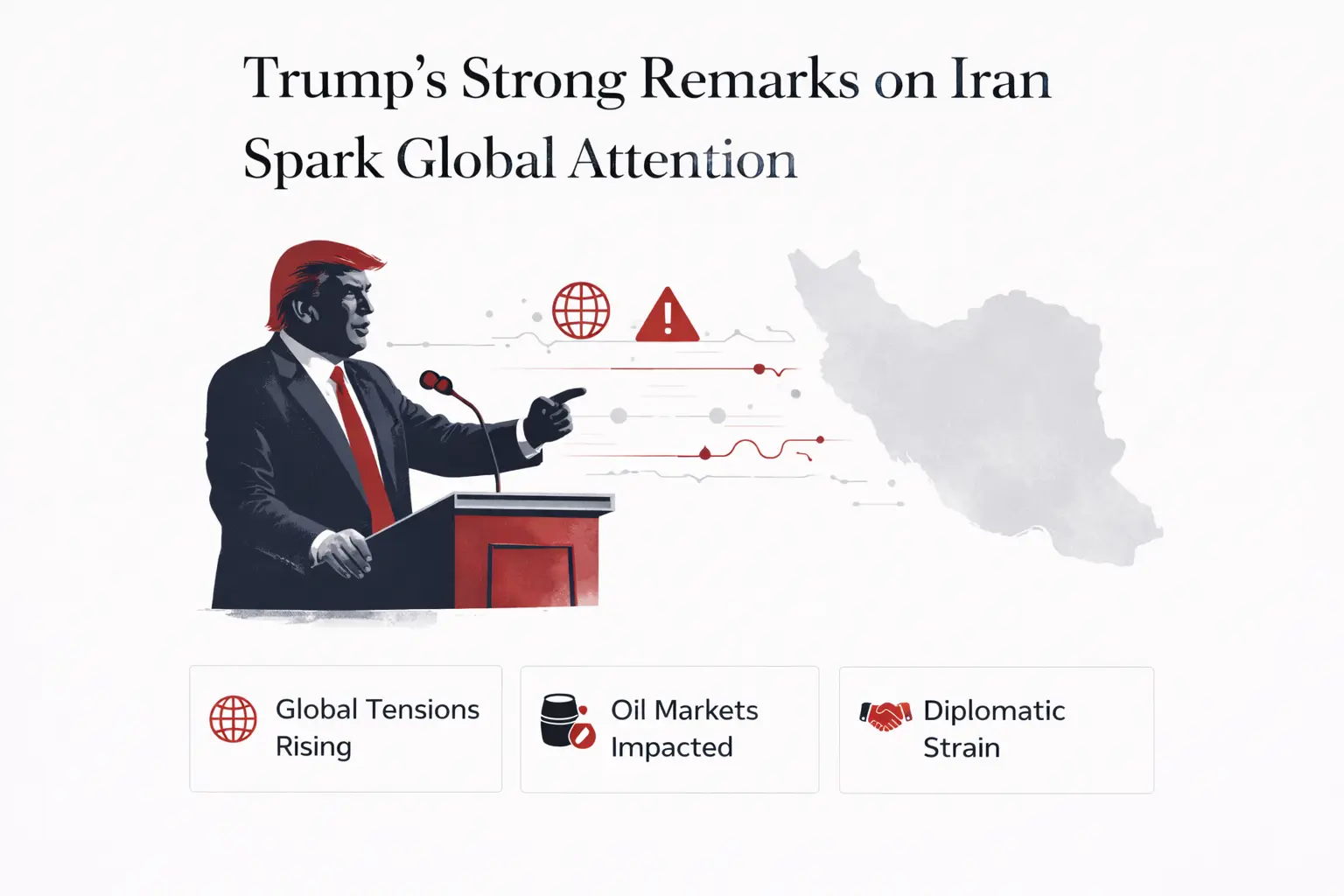
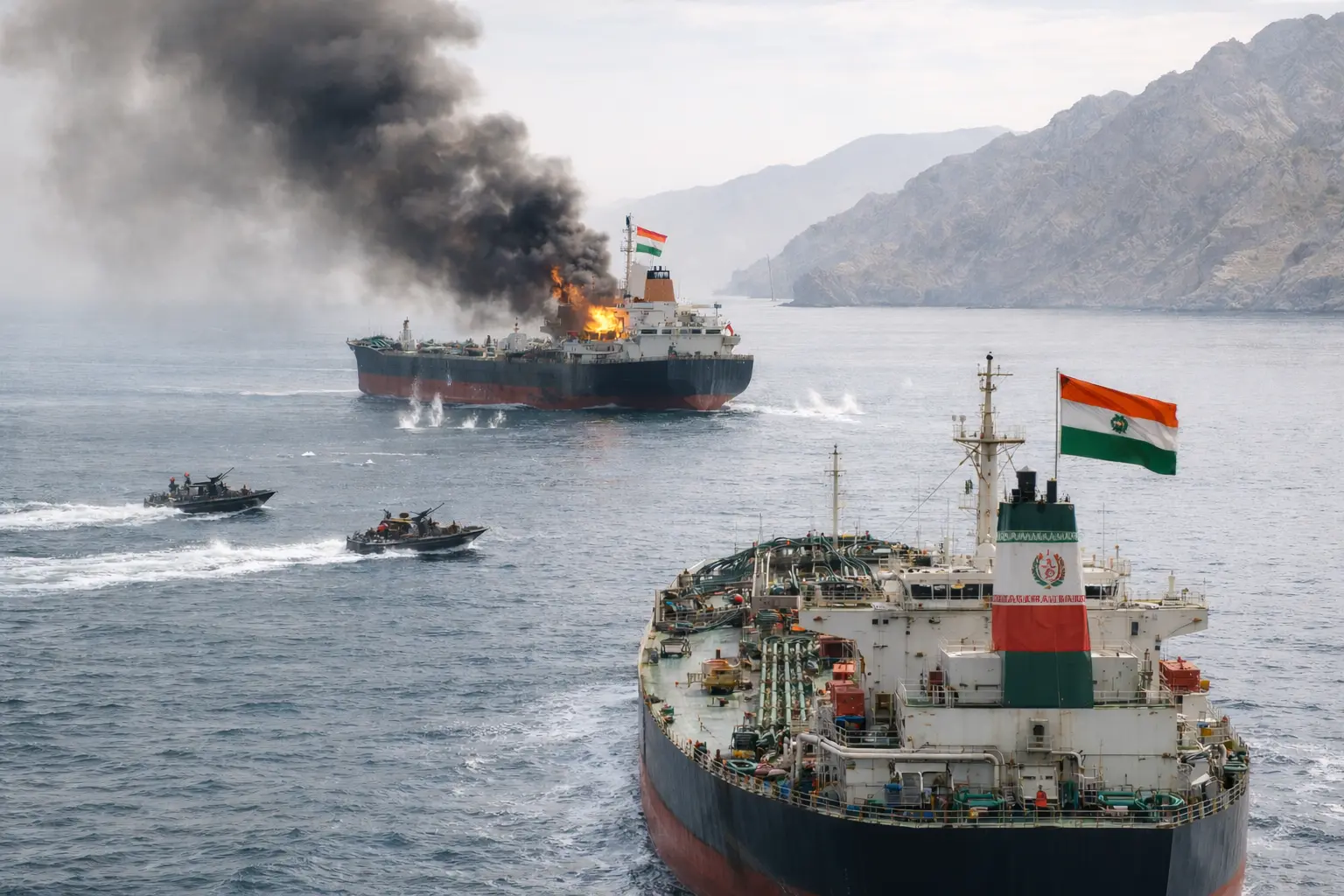
Reports indicate that Iranian forces targeted Indian oil tankers in the Gulf region, escalating tensions in an already volatile Middle East. Soon after, Iran declared restrictions in the Strait of Hormuz, effectively halting major oil shipments.
This isn’t random aggression. It’s strategy.
Iran has long used the Strait as leverage during conflicts, especially when facing pressure from Western nations or regional rivals. Blocking or threatening this route sends a clear message: “We can shake the world economy if pushed.”
And right now, global tensions are already stretched thin—between sanctions, regional rivalries, and fragile ceasefires.
So this move isn’t isolated.
It’s calculated escalation.
Impact: The Real Cost Hits Fast
The first impact? Fuel prices.
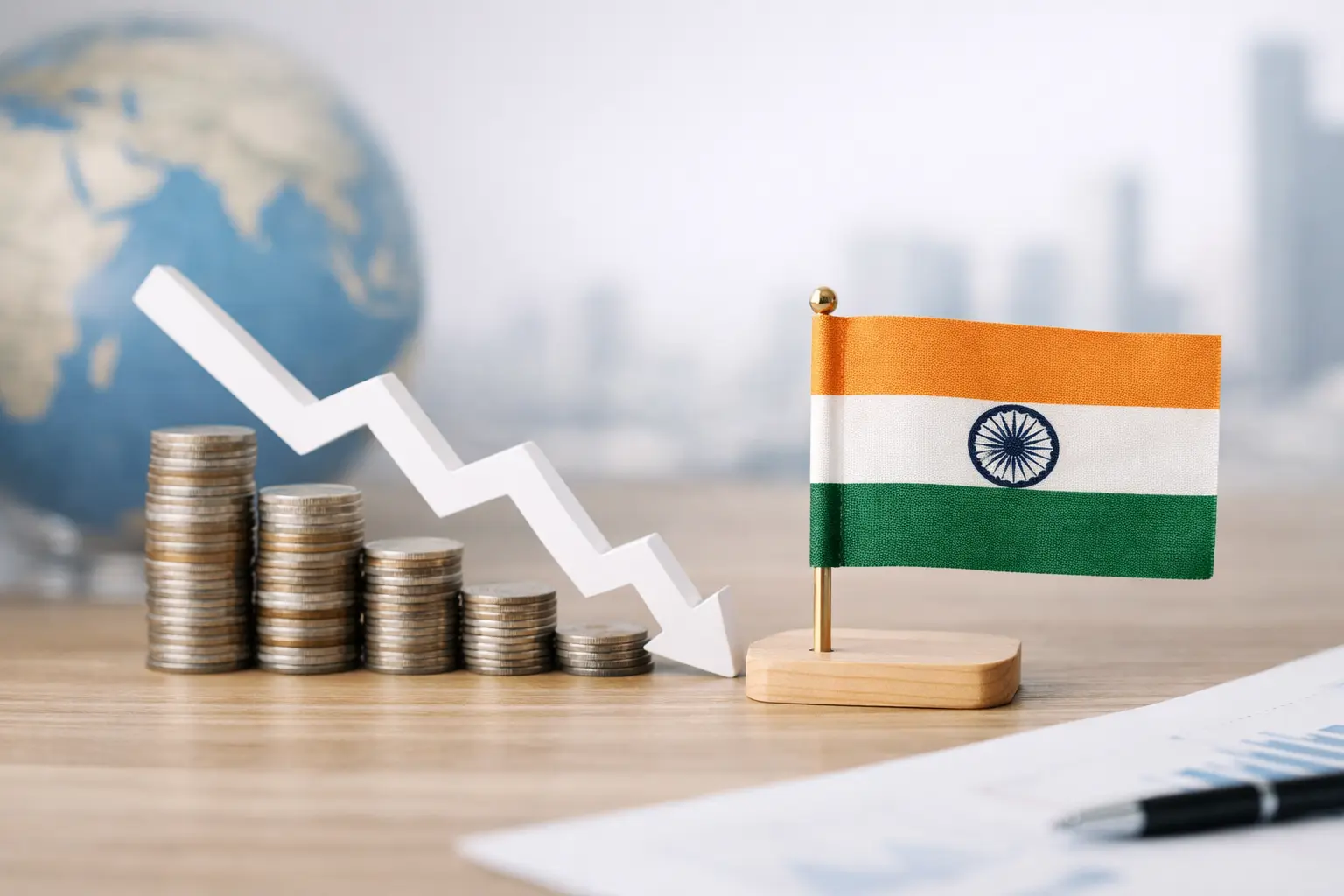
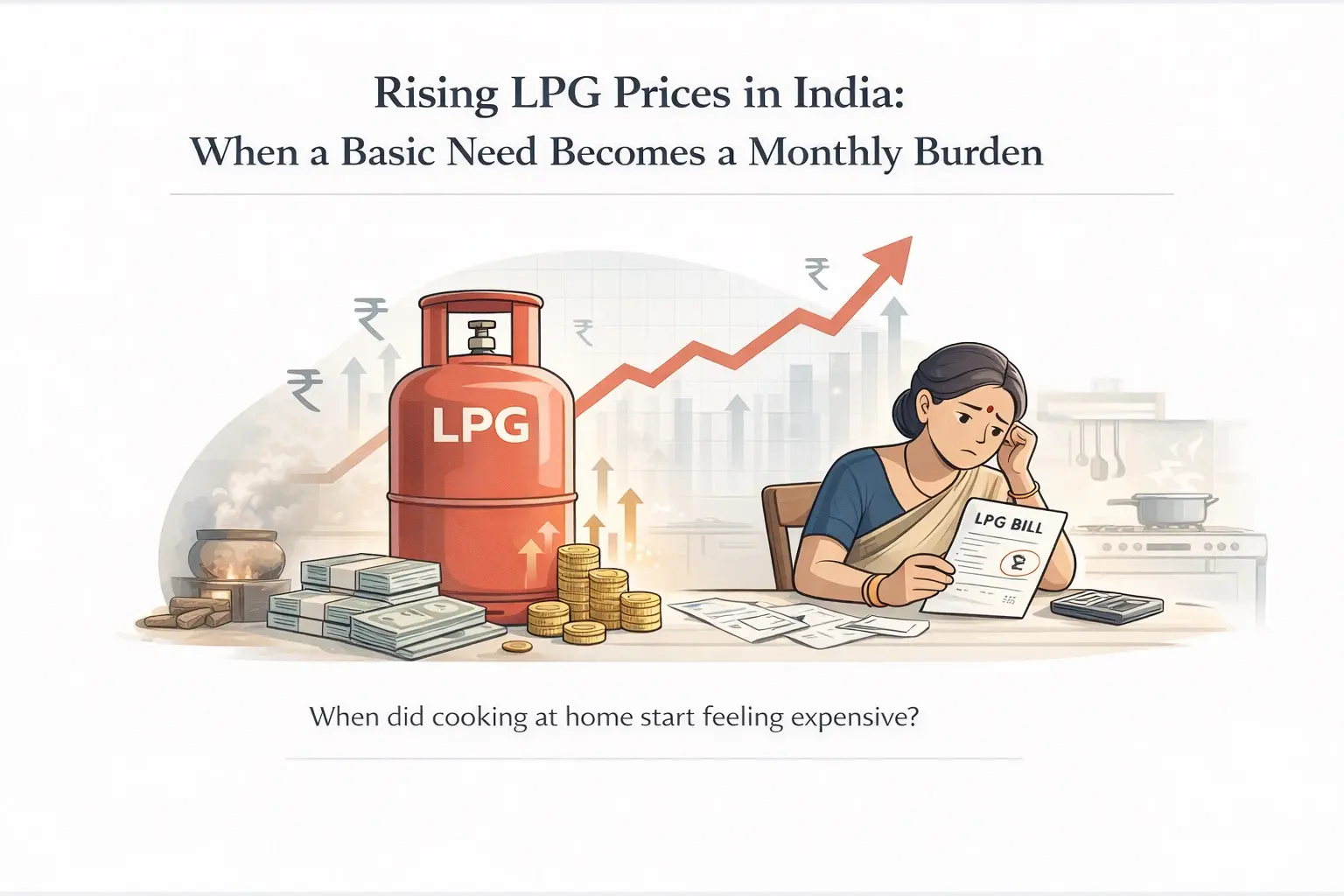
Whenever oil supply fears rise, markets react instantly. Petrol and diesel prices in India could surge within days. And when fuel becomes expensive, everything else follows—transport, groceries, electricity.
You may not see it immediately.
But you will feel it.
Think about it—your daily commute, food delivery costs, even online shopping logistics—all depend on fuel. A disruption like this quietly creeps into every corner of life.
There’s also financial anxiety.
Investors panic, stock markets wobble, and industries dependent on imports begin to slow down. For a country managing growth ambitions, this creates pressure not just economically, but psychologically.
Because uncertainty is expensive.
Insight: The Bigger, Uncomfortable Truth
Here’s what most headlines won’t say clearly:
The world is more fragile than it looks.
Global supply chains, energy routes, and economies are deeply interconnected. One strategic move in a narrow waterway can disrupt millions of lives thousands of kilometers away.
And yet, countries continue to depend heavily on unstable regions for critical resources.
That’s the real risk.
Not just war—but dependence.
“When your survival depends on someone else’s stability, you are never truly secure.”
This incident also exposes a deeper pattern—energy has become a geopolitical weapon. It’s no longer just about supply and demand. It’s about control and influence.
And in that game, countries like India often find themselves navigating between necessity and vulnerability.
A Relatable Reality Check
Ever noticed how petrol prices quietly rise overnight and suddenly everything feels expensive?
That’s not coincidence.
That’s global politics showing up in your wallet.
Key Takeaways in One Line Each
“Oil routes are not just trade paths—they are pressure points.”
“Economic stability today depends on geopolitical calm tomorrow.”
“The real crisis begins long before people realize it.”
Conclusion: This Is Bigger Than One Attack
This isn’t just about ships or oil barrels.
It’s about control over the global economy.
If the Strait of Hormuz remains unstable, the consequences won’t stay limited to headlines—they’ll enter homes, budgets, and daily decisions.
The world runs on oil.
And right now, that flow is under threat.
Because when a single route can shake the entire planet, the system itself needs questioning.