Introduction
What happens when war stops being fought by humans—and starts being fought by machines?
That question is no longer theoretical. In a striking shift on the battlefield, Ukraine has begun deploying robotic soldiers against Russian military forces, signaling a new phase in the ongoing conflict with Russia. This is not science fiction. It’s happening now—and it’s changing how wars are fought.
For a conflict already defined by drones and digital warfare, this move raises the stakes even higher.
Main Explanation
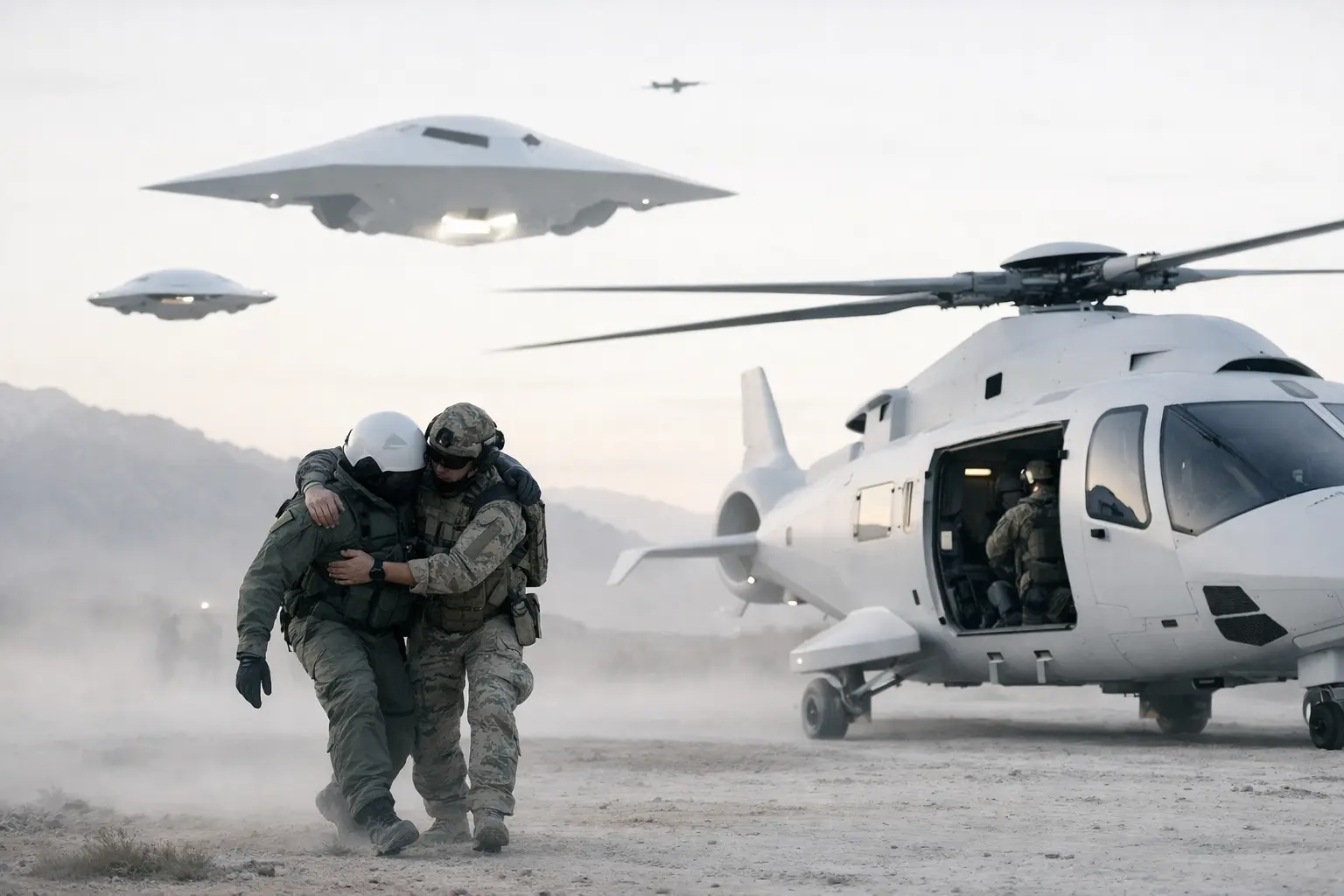
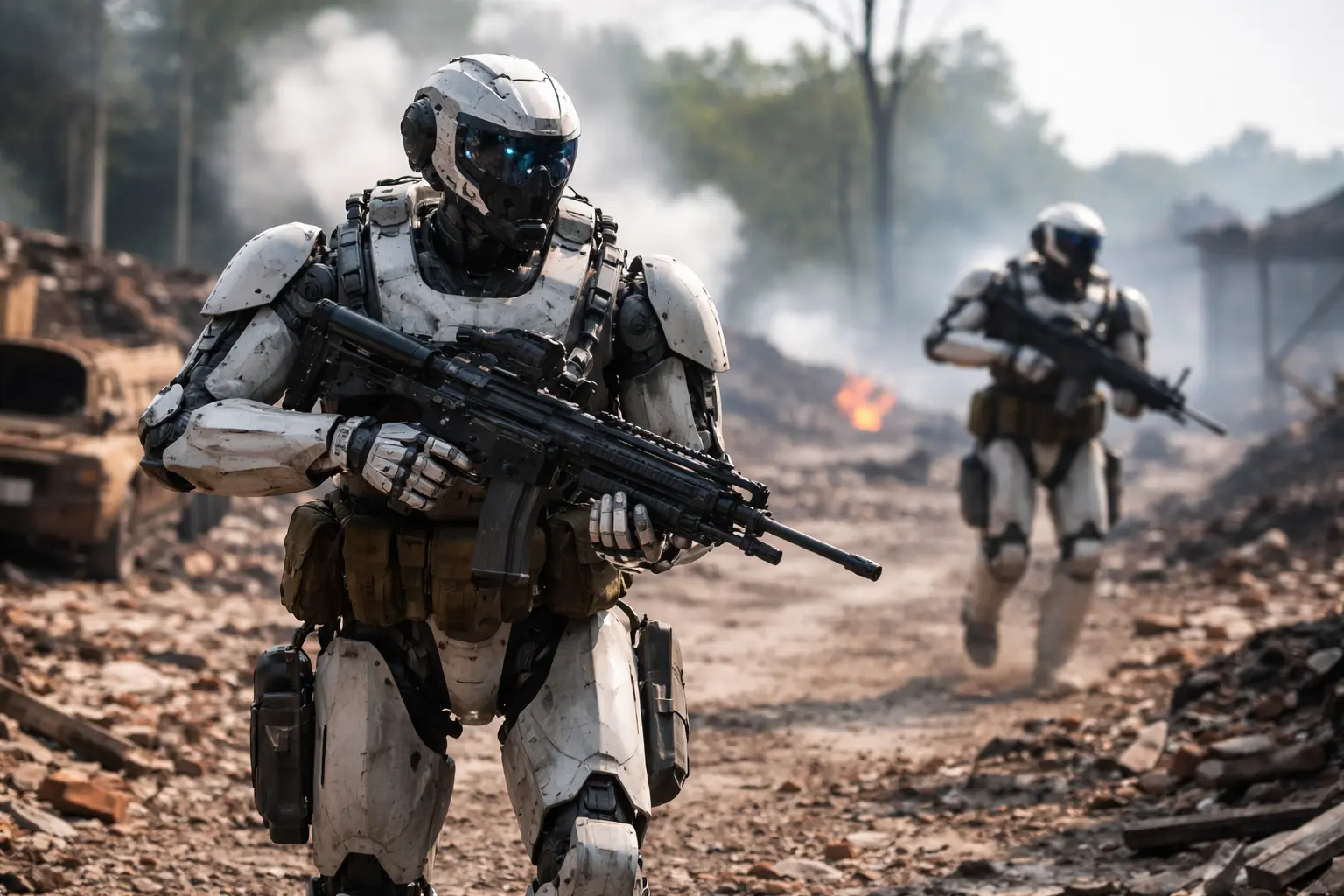
Ukraine’s latest military innovation involves unmanned ground vehicles—robotic units designed to carry weapons, transport supplies, and even evacuate wounded soldiers. These machines are remotely operated or semi-autonomous, reducing the need for human exposure on dangerous frontlines.
The goal is simple: save lives while increasing combat efficiency.
But the reason behind this shift runs deeper.
Ukraine has been under constant pressure since the escalation of war with Russia. With manpower stretched and risks rising, integrating robotics into combat offers a strategic advantage. It allows Ukrainian forces to operate in high-risk zones without putting soldiers directly in harm’s way.
Meanwhile, Russia has also been advancing its own military technology. This isn’t just a war of territory anymore—it’s becoming a war of innovation.
And innovation doesn’t wait.
Impact
The immediate impact is clear: fewer soldiers on the front lines means fewer human casualties. That alone is a powerful shift.
But there’s another side to this.
For soldiers, the psychological burden changes. Instead of direct combat, many now operate machines from a distance—watching battles unfold on screens. It’s safer, but also strangely detached.
For civilians, especially those living near conflict zones, the presence of robotic soldiers adds a new layer of fear. War already feels unpredictable. Now, it feels mechanical.
One local observer reportedly described it like this: “You don’t hear footsteps anymore. You hear machines.”
That silence hits differently.
Financially, this shift also matters. Military robotics require heavy investment. Ukraine is leaning on international support, while Russia continues to fund its own defense systems. This could widen economic pressure on both sides over time.
Insight
Here’s the uncomfortable truth: this is just the beginning.
War has always evolved—from swords to guns, from tanks to drones. Robotic soldiers are simply the next step. But unlike past transitions, this one removes humans from the immediate act of fighting.
And that changes everything.
“Technology doesn’t just change how we fight. It changes how we think about fighting.”
When humans are no longer directly in danger, decision-making can become colder, faster—and sometimes more reckless. The emotional barrier that once slowed conflict begins to fade.
Let’s be honest for a second—if war becomes easier to wage, does it become harder to stop?
There’s also a global implication. Countries watching this conflict—including major powers—are learning, adapting, and preparing. What Ukraine is testing today could become standard military practice tomorrow.
A decade ago, drones were the headline. Today, they’re normal.
Robotic soldiers might follow the same path.
Conclusion
Ukraine’s deployment of robotic soldiers marks a turning point—not just in its war with Russia, but in the future of warfare itself.
This isn’t just about strategy. It’s about transformation.
One line stands out:
“The battlefield is no longer just human—it’s becoming algorithmic.”
And another:
“Wars used to be fought with courage. Now they’re increasingly fought with code.”
The real question is no longer who wins this war.
It’s what kind of world emerges after it.