Iran Declares Strait of Hormuz Open After Ceasefire — But Is the War Really Over?
Has the world just stepped back from the edge… or is this only a pause before the next storm?
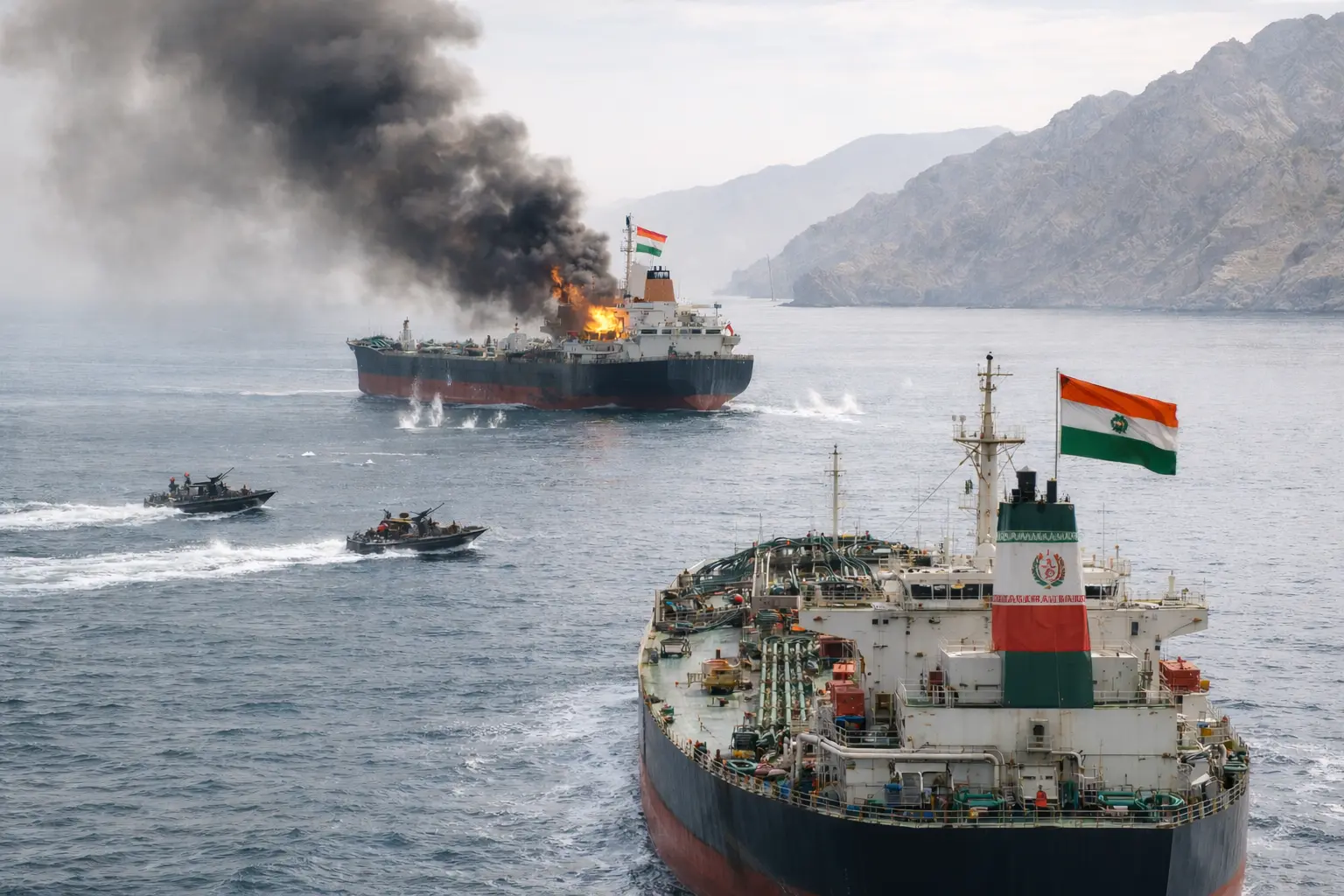
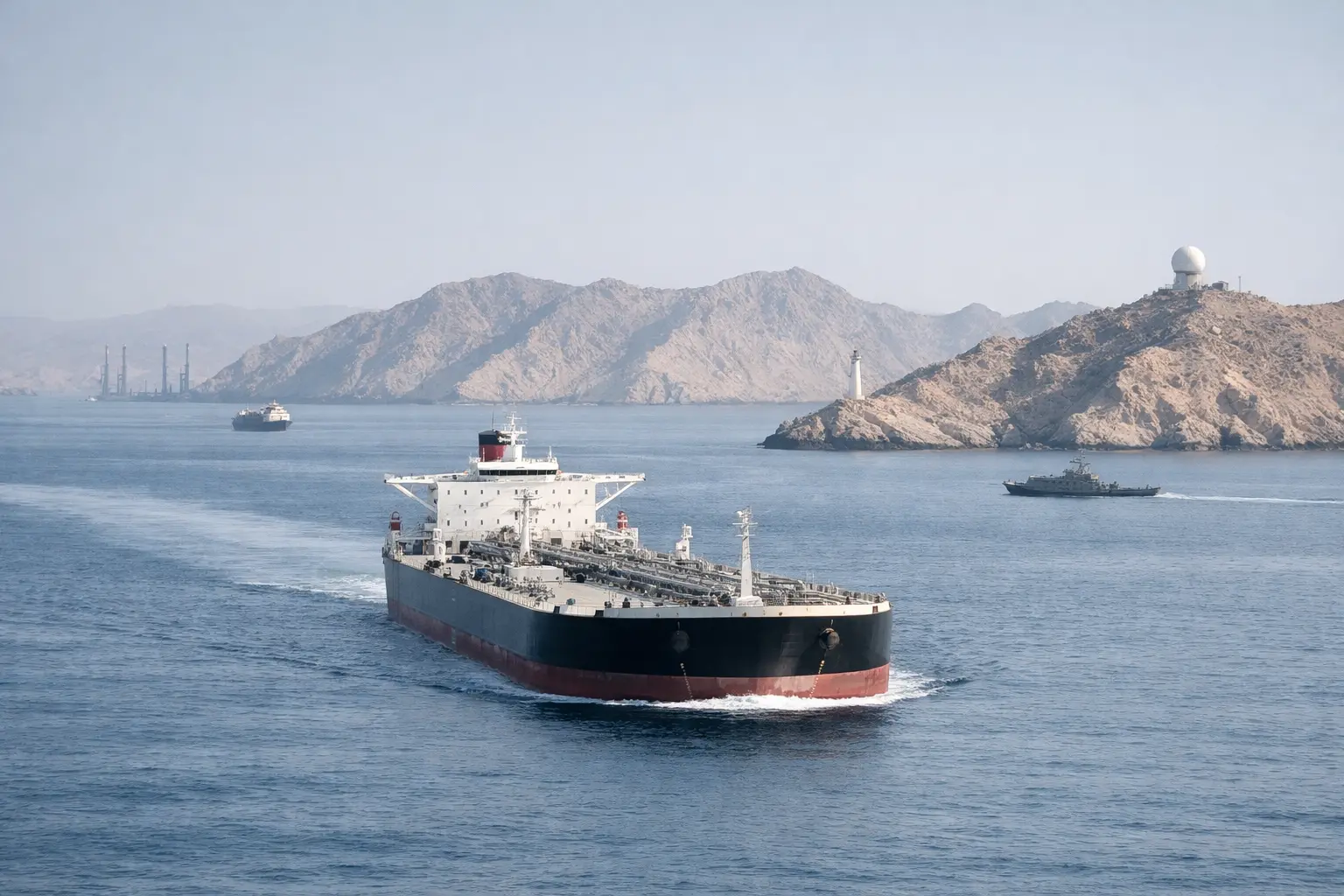
In a move that sent ripples across global markets, Iran has declared the Strait of Hormuz open again following a tense ceasefire with the United States and Israel. Oil tankers are moving. Shipping lanes are active. Headlines are calmer.
But beneath the surface, the question remains—has the conflict truly ended, or is this just a fragile silence?
What’s Happening — And Why It Matters
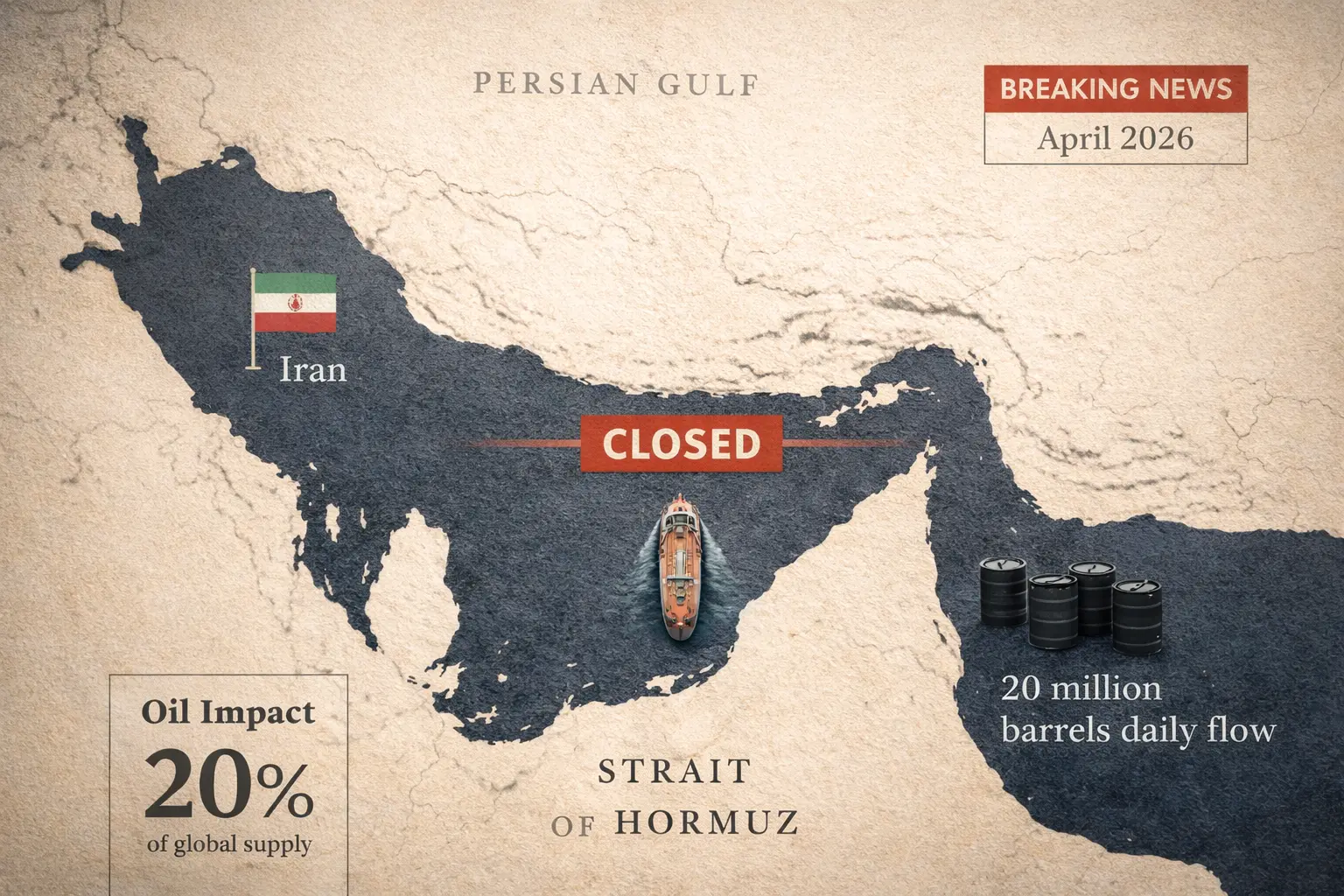
The Strait of Hormuz is not just another waterway. It is one of the world’s most critical oil chokepoints. Nearly a fifth of global oil supply flows through this narrow stretch every day.
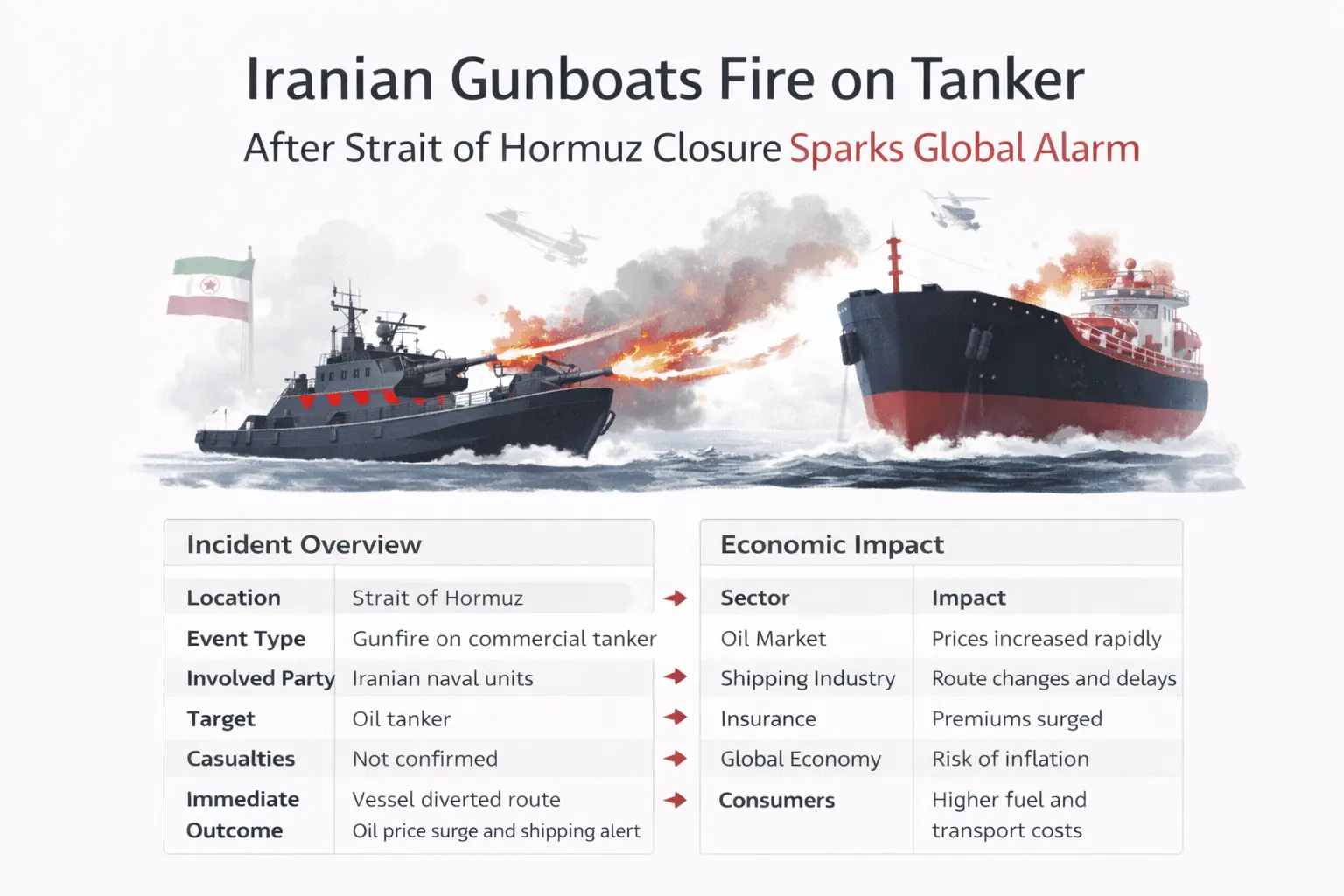
When tensions escalated between Iran, the US, and Israel, the threat was immediate: block the Strait, and you choke global energy.
And for a moment, that fear felt real.
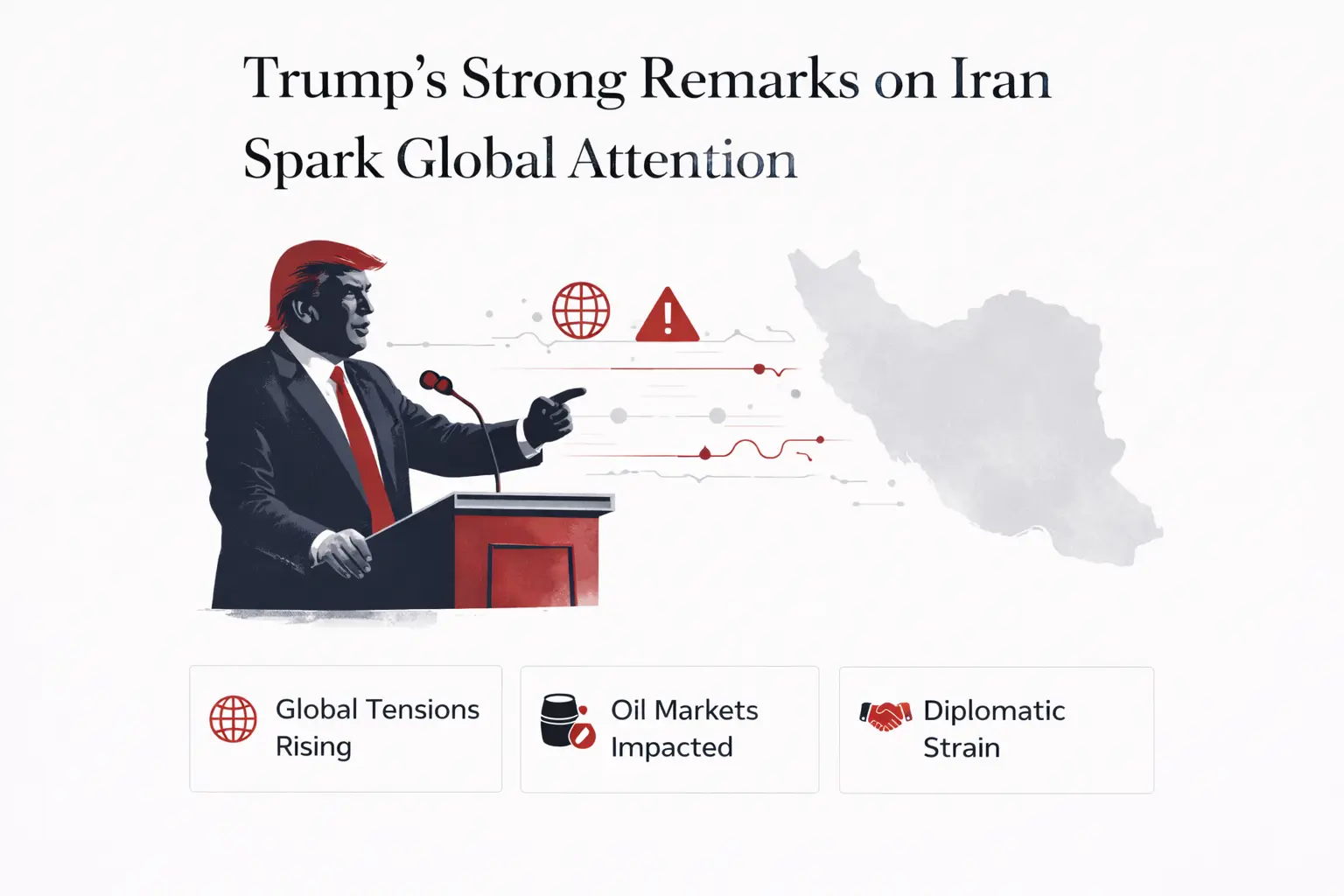
Now, with the ceasefire in place, Iran has reopened the route. This signals de-escalation—but also strategy. Reopening the Strait stabilizes oil markets, reduces global pressure, and positions Iran as a “responsible actor” in the international narrative.
But make no mistake—this is not just about peace.
It’s about leverage.
Why This Ceasefire Happened
Wars don’t pause without reason. And this one had multiple pressures building at once.
Global oil prices were becoming volatile
Economic strain was rising across multiple countries
International diplomatic pressure was intensifying
And most importantly—no side could afford a full-scale war
Even powerful nations calculate risk.
A prolonged conflict in this region could disrupt supply chains, trigger inflation spikes, and destabilize already fragile economies. For countries still recovering from past crises, this was a risk too big to ignore.
So the ceasefire came—not out of trust, but necessity.
The Real Impact on People
When headlines talk about “oil routes reopening,” what they really mean is this:
Fuel prices may stabilize.
Shipping delays might ease.
Economic panic could slow down.
But for ordinary people, the psychological impact runs deeper.
For weeks, the fear of war hung like a shadow. Social media was flooded with speculation. News alerts became a source of anxiety.
You’ve probably felt it too—that quiet tension when global news suddenly feels too close.
One moment you’re scrolling casually.
Next moment, you’re wondering if another global crisis is beginning.
“War doesn’t just destroy cities. It disrupts minds.”
Small businesses worried about costs. Investors hesitated. Families discussed uncertainty at dinner tables.
Because in today’s world, even distant conflicts don’t feel distant anymore.
Insight — The Uncomfortable Truth
Here’s the reality most headlines won’t say clearly:
This ceasefire is not peace. It’s a pause.
A calculated pause.
History shows us that geopolitical tensions rarely disappear overnight. They evolve. They shift. They wait.
Think about past conflicts—many started with “temporary agreements” that later broke under pressure.
And this situation carries similar signals.
Trust between these nations remains low
Strategic interests still clash
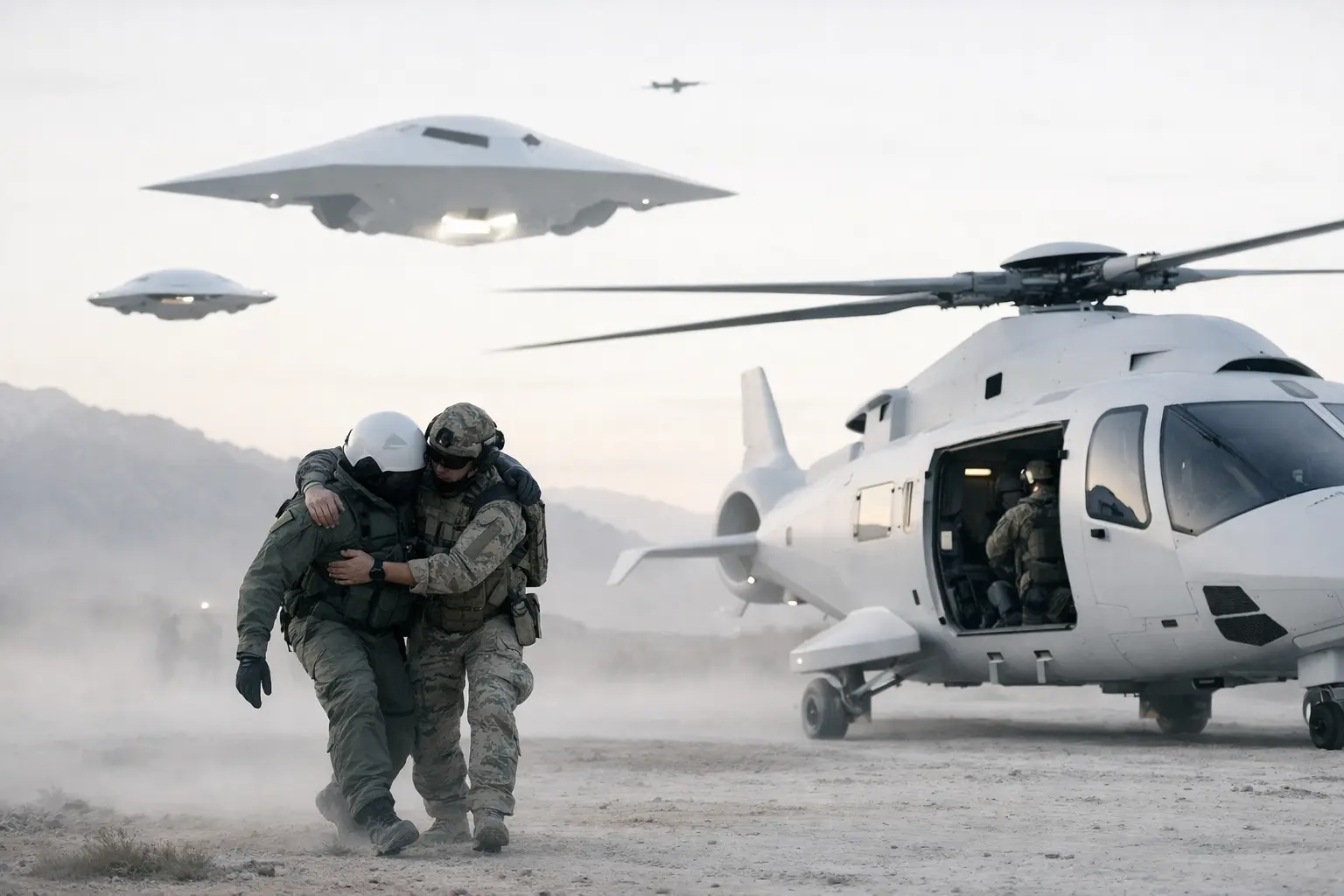
Military readiness hasn’t disappeared
“Ceasefires end noise. They don’t end conflict.”
There’s also a larger trend here. Modern conflicts are no longer just about land or power—they’re about control of economic arteries. Oil routes, trade lanes, digital systems.
The Strait of Hormuz is not just geography. It’s leverage over the global economy.
And whoever controls leverage, controls the narrative.
A Subtle Shift the World Should Notice
Compared to the past, today’s conflicts move faster—but resolve slower.
Decades ago, wars were clearly defined: start, escalation, end.
Now, conflicts operate in cycles—tension, pause, tension again.
This is the new pattern.
And it makes situations like this harder to interpret.
Are we safe?
Or just temporarily stable?
Conclusion — Calm Waters, Uncertain Depths
The reopening of the Strait of Hormuz is undeniably good news. It reduces immediate risk and restores a sense of normalcy.
But calling this “the end” would be premature.
Because stability built on tension is always temporary.
“Peace is not the absence of conflict. It’s the management of it.”
For now, the ships are moving. Markets are breathing. The world is watching.
But somewhere beneath that calm surface, the pressure hasn’t disappeared.
It’s just waiting.