Introduction: The Most Important Waterway on Earth Is Under Siege
Most people have never heard of the Strait of Hormuz. But they have felt it. Every time fuel prices spike. Every time grocery bills climb. Every time airline tickets get more expensive. It all connects back to this narrow strip of water between Iran and Oman.
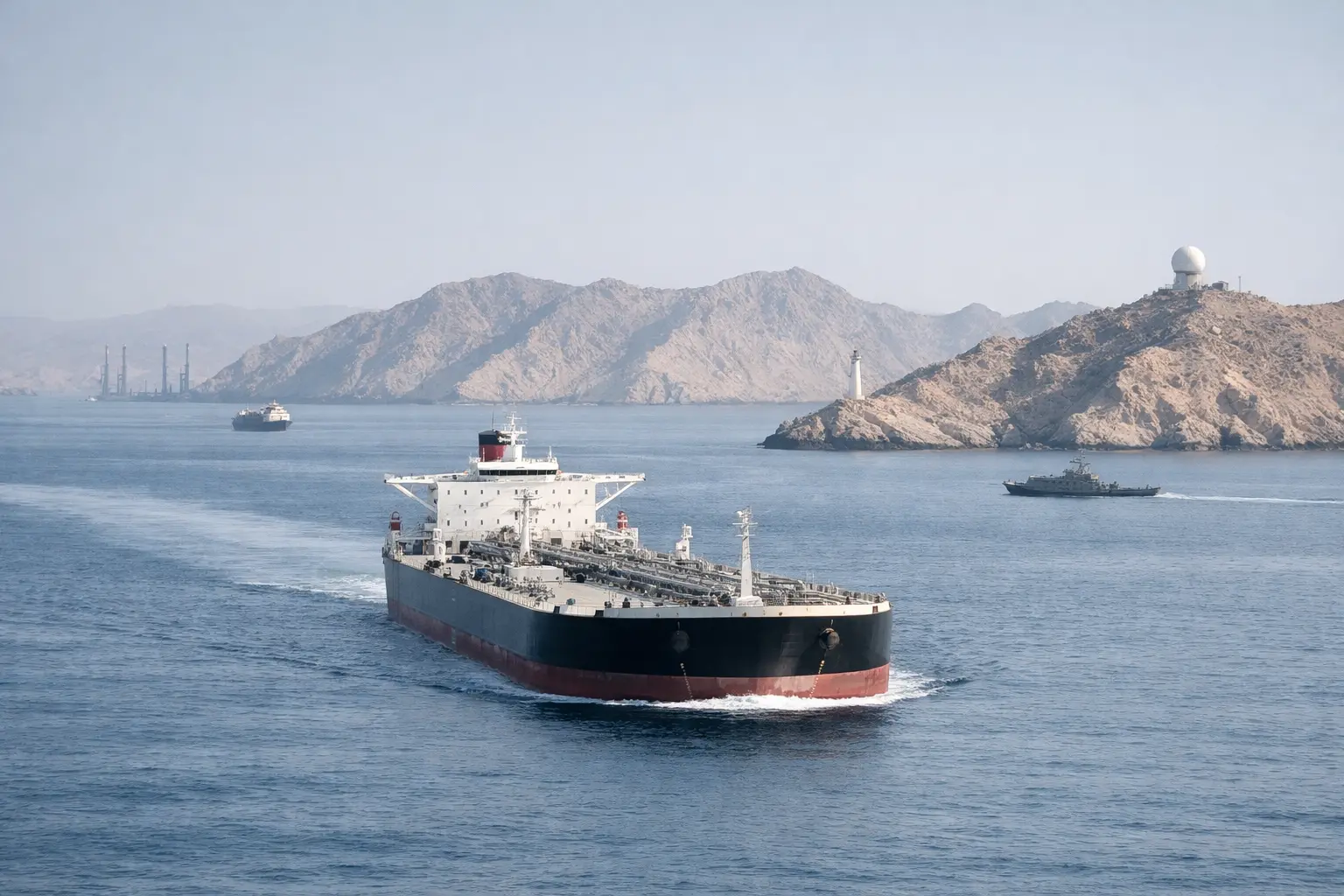
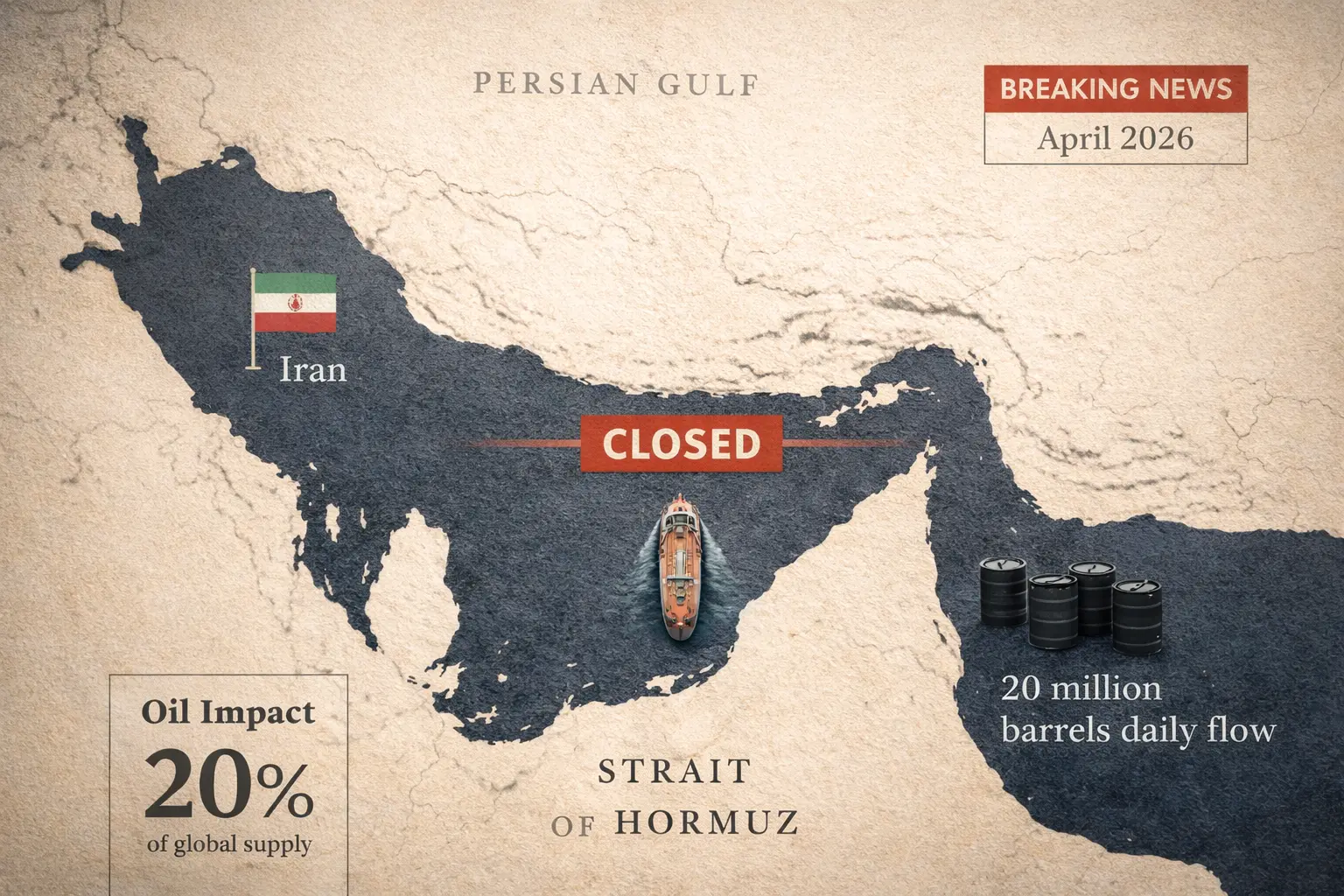
Until the US-Israeli war against Iran, the Strait of Hormuz was open and about 25 percent of the world's seaborne oil trade and 20 percent of the world's liquefied natural gas passed through it.
That was before February 2026. Everything changed after that.
Main Explanation: How This Crisis Started
Shipping traffic through the Strait of Hormuz has been largely blocked by Iran since 28 February 2026, when the United States and Israel launched an air war against Iran and assassinated its supreme leader Ali Khamenei. In retaliation Iran launched missile and drone attacks on Israel, US military bases, and US-allied Gulf states.
This was not a small skirmish. This was a full scale military conflict with the world's most important oil route caught directly in the middle.
Iran's Islamic Revolutionary Guard Corps transmitted warnings via VHF radio to vessels in the strait stating that no ship is allowed to pass the Strait of Hormuz.
Major shipping firms stopped their operations immediately. Tankers sat waiting. Oil prices exploded.
What Happened in the Last 48 Hours
This is where the story gets dramatic. And it happened fast.
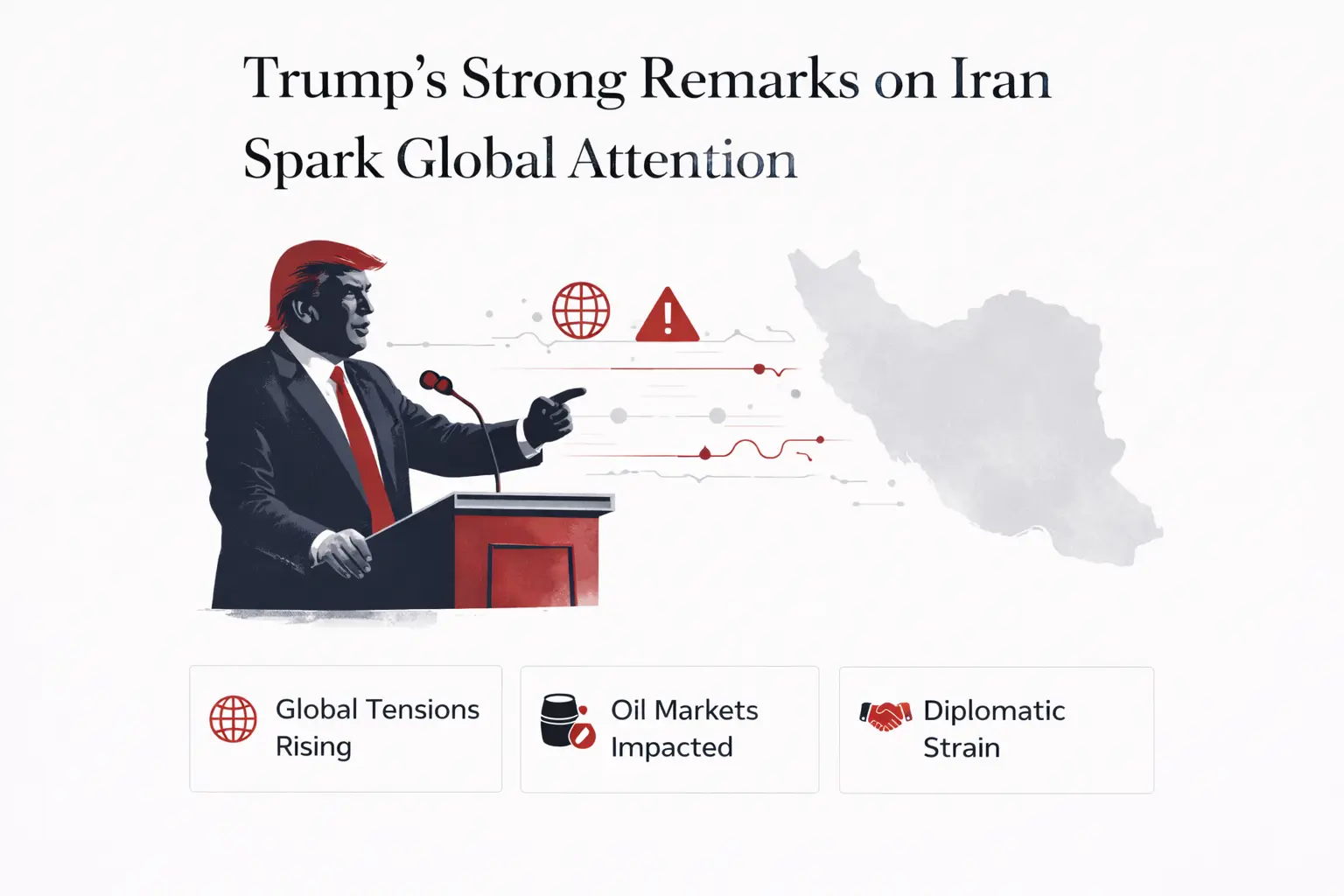
Iran's foreign minister declared the Strait of Hormuz open to all commercial ships during the ceasefire between Israel and Lebanon. President Donald Trump thanked Tehran for opening the strait but said the US blockade of Iran's ports remains in effect.
For a brief moment the world exhaled. Oil prices dropped sharply. Ships started moving.
Then everything reversed.
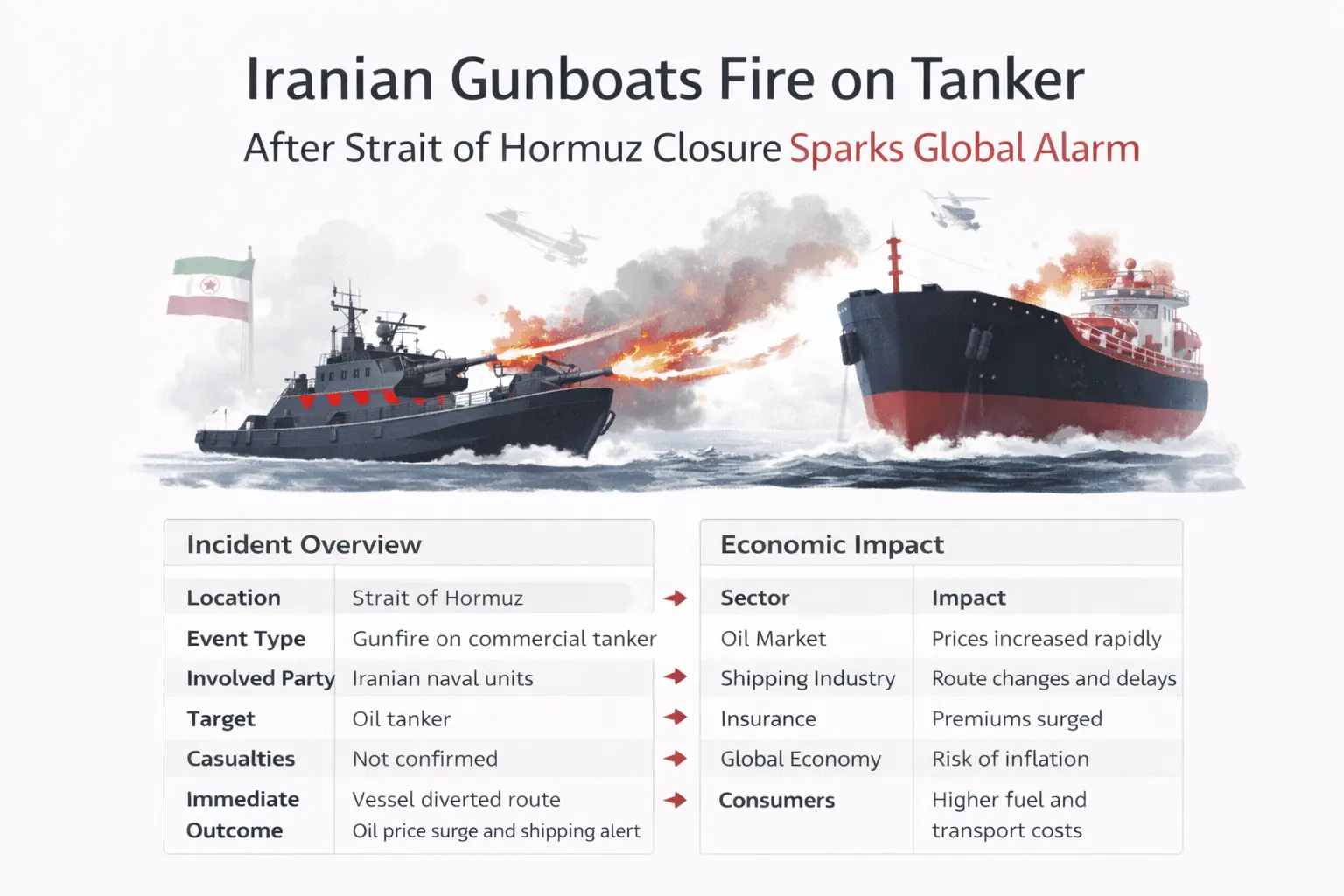
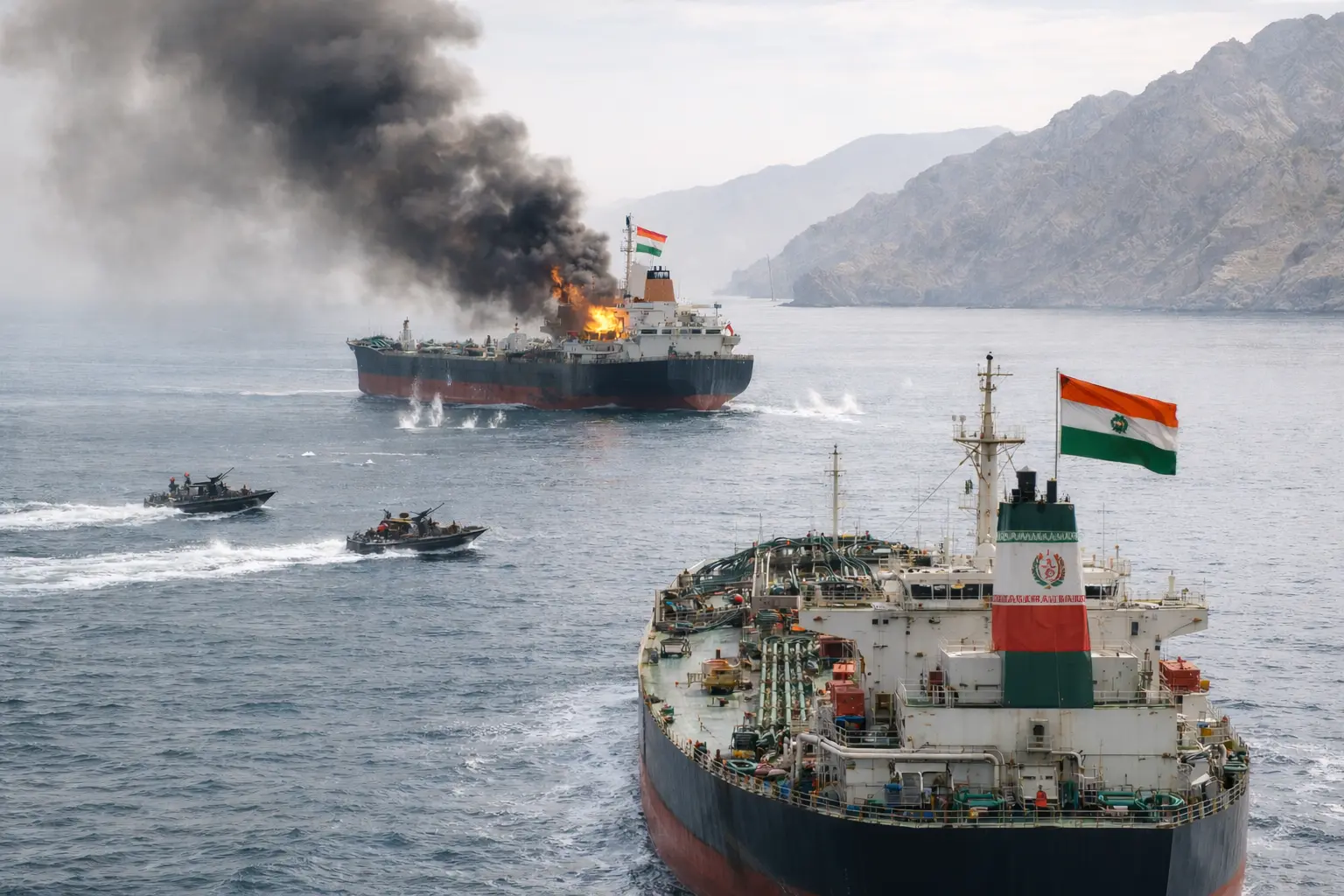
Iran says it has closed the Strait of Hormuz again, calling the decision a response to a continued blockade of its ports by the United States. The Iranian military said control of the strategic waterway has returned to its previous state with reports saying Iranian gunboats fired at a merchant vessel as it attempted to cross.
In less than 24 hours the strait went from open to closed and back again. That kind of instability has never happened before in modern history.
The Numbers Behind This Crisis
Factor | Detail |
|---|---|
Oil Passing Through Daily | 20 million barrels |
Share of Global Oil Trade | 20 percent |
Share of Global LNG Trade | 20 percent |
Iranian Attacks on Ships | 21 confirmed attacks |
Oil Price Drop on Opening | Over 10 percent in hours |
Width of the Strait | 34 kilometres at narrowest point |
The strait's two unidirectional sea lanes facilitate the transit of around 20 million barrels of oil per day representing roughly 20 percent of global seaborne oil trade primarily from producers like Saudi Arabia, the United Arab Emirates, Iraq, and Qatar.
When this strait closes, every single one of those barrels has nowhere to go.
Impact: What This Means for Regular People
This is not just a geopolitical story. This is a cost of living story.
When oil cannot move through the Strait of Hormuz, global supply drops instantly. When supply drops, prices rise. When energy prices rise, everything gets more expensive. Food. Transport. Manufacturing. Heating. Everything.
It is estimated that global fertilizer prices could average 15 to 20 percent higher during the first half of 2026 if the crisis continues.
Higher fertilizer prices mean higher food prices. This crisis is already sitting on your dinner table whether you realize it or not.
A real life observation: A truck driver in Texas who fills up twice a week has already seen his fuel costs jump significantly since February. He has no idea why. The answer is 34 kilometres of water on the other side of the world.
"When the Strait of Hormuz sneezes the entire global economy catches a cold."
Where Things Stand Right Now
The Islamic Revolutionary Guard Corps says control of the Strait of Hormuz has now returned to its previous state because of the continuing US blockade of Iranian ports. US President Donald Trump says the naval blockade will remain in full force until the transaction with Iran is 100 percent complete.
Both sides are holding firm. Neither is backing down. And the strait remains effectively closed as of today.
Iran is looking for a comprehensive end to the war across the region, security assurances, sanctions relief, the unfreezing of frozen assets, regional relations and on top of all of that the nuclear dossier and Iran's stockpile of highly enriched uranium.
These are not small demands. This crisis is not ending quickly.
The strait is closed. The oil is stuck. And the world is waiting.
Insight: Why This Is the Biggest Oil Crisis in Modern History
The closure of the sea lane which connects the Persian Gulf to global energy markets has triggered the biggest oil supply disruption in history.
Bigger than the 1973 oil embargo. Bigger than the Gulf War. Bigger than anything the modern energy market has ever faced.
"Every country on earth that runs on oil is now watching one 34 kilometre stretch of water with absolute panic."
The US is blockading Iran. Iran is blocking the world. And in the middle of it all, oil tankers sit waiting for a deal that nobody knows when will come.
"This is not just an Iran and America problem. This is everyone's problem."
Conclusion: What Happens Next
Nobody knows exactly when this ends. But the stakes could not be higher.
If the strait stays closed, energy prices will keep rising. Supply chains will keep breaking. Economies will keep feeling the pressure.
If a deal is reached, oil prices could drop dramatically almost overnight. The world economy could breathe again.
Uncertainty is the name of the game as far as the Strait of Hormuz is concerned right now.
And until that uncertainty ends, every person on earth who pays for fuel, food, or anything that needs to be transported is caught right in the middle of this crisis.