How did having everything become so overwhelming?
Scroll, click, compare, repeat. That’s not freedom—that’s fatigue.
In 2026, choice is everywhere. From streaming platforms and career paths to smartphones and even breakfast options, the modern world promises endless possibilities. But instead of feeling empowered, people are feeling stuck. The paradox is simple: the more options we have, the harder it becomes to choose.
Introduction → When “More” Stops Feeling Better
Walk into an online store today, and you’ll see thousands of products for a single category. Open a job portal, and there are hundreds of roles—each requiring different skills, experiences, and expectations. Even picking what to watch at night can take longer than watching the actual show.
Choice was supposed to make life easier.
Instead, it’s making decisions heavier.
Main Explanation → What’s Happening and Why
This phenomenon is often called decision fatigue in 2026—a growing mental strain caused by constant decision-making. Every option demands attention, comparison, and evaluation. And with algorithms pushing “recommended” choices, the list never really ends.
Why is this happening?
First, digital platforms have removed limits. Earlier, you had 3 TV channels. Now you have hundreds of apps, each with endless content. The same applies to shopping, education, and even relationships.
Second, competition has exploded. Companies offer more variations to stand out. More features. More plans. More customization. But instead of clarity, it creates noise.
Third, social pressure plays a role. People don’t just want a good choice—they want the best one. The fear of missing out (FOMO) makes every decision feel like a risk.
And suddenly, even small decisions feel important.
Impact → How It’s Affecting Real Lives
The effects are not just theoretical. They are visible in everyday behavior.
A student spends weeks choosing an online course but ends up enrolling in none.
A buyer compares smartphones for days, only to feel regret after purchase.
A professional delays career decisions because every option seems both right and wrong.
This is choice overload in modern life.
It leads to:
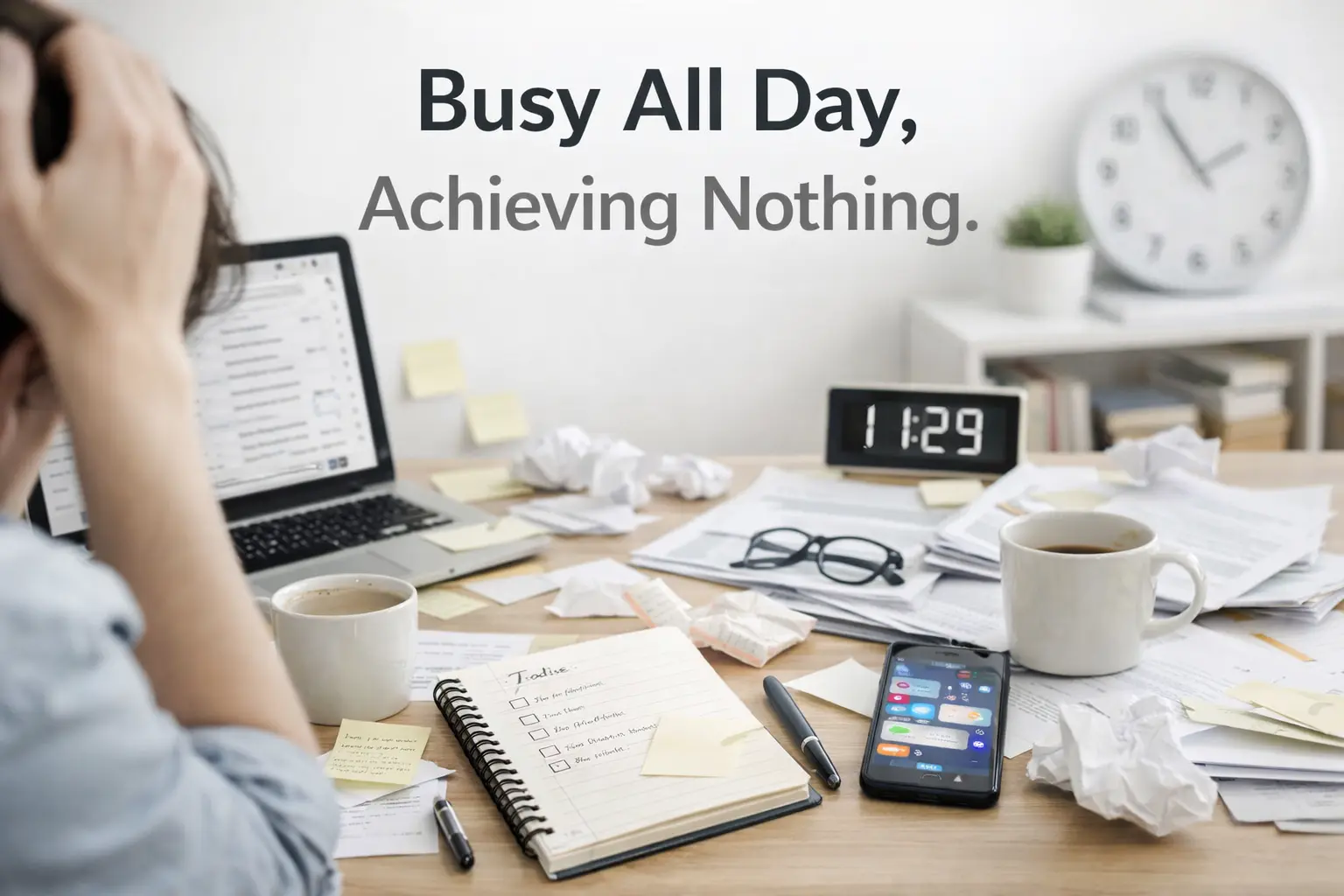
Mental exhaustion: Too many decisions drain cognitive energy
Increased anxiety: Fear of making the wrong choice
Delayed action: Overthinking replaces execution
Post-decision regret: “What if the other option was better?”
One quiet observation:
Most people today don’t struggle with lack of options—they struggle with trusting their decisions.
And that’s new.
A decade ago, limited choices meant faster decisions and fewer doubts. Today, even after choosing, the mind keeps searching.
Insight → The Uncomfortable Truth
Here’s the part we don’t talk about enough:
More choice doesn’t always mean more freedom. Sometimes, it means more responsibility.
Because every decision now feels like a reflection of intelligence, awareness, and success.
“Did I pick the right career?”
“Is this the best investment?”
“Am I wasting my potential?”
These questions are no longer occasional—they are constant.
“Too many options don’t expand your life. They fragment your focus.”
“When everything is available, clarity becomes the rarest resource.”
“People are no longer afraid of having nothing—they’re afraid of choosing wrong.”
There’s also a deeper shift happening.
Earlier, decisions were influenced by necessity. Now, they are influenced by comparison. Social media amplifies this. Every choice you make is silently compared to someone else’s version of “better.”
And yes, that pressure adds up.
Trend Observation → Then vs Now
In the past:
Fewer choices
Faster decisions
Lower expectations
Less regret
In 2026:
Unlimited options
Slower decisions
Higher expectations
Constant second-guessing
A subtle but powerful shift.
Conclusion → A Clear Thought in a Noisy World
The problem isn’t choice itself. It’s the volume of it—and our obsession with perfection.
Maybe the solution isn’t finding the best option.
Maybe it’s learning to move forward with a good one.
Because in a world full of endless possibilities, clarity is not given—it is created.
And sometimes, the strongest decision you can make is simply this:
Choose—and stop looking back.