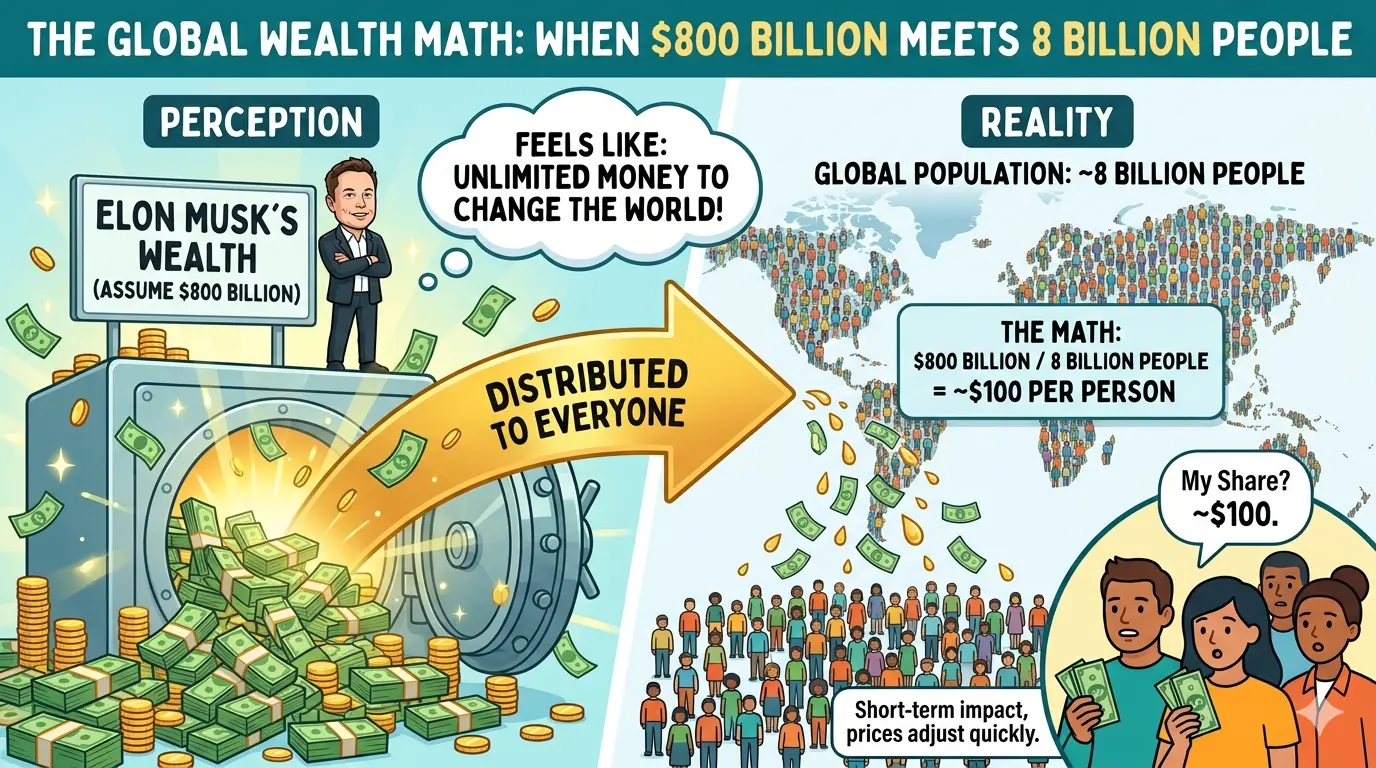
People hear “hundreds of billions” and imagine unlimited money.
It feels like enough to change the world instantly.
So let’s take a bold assumption.
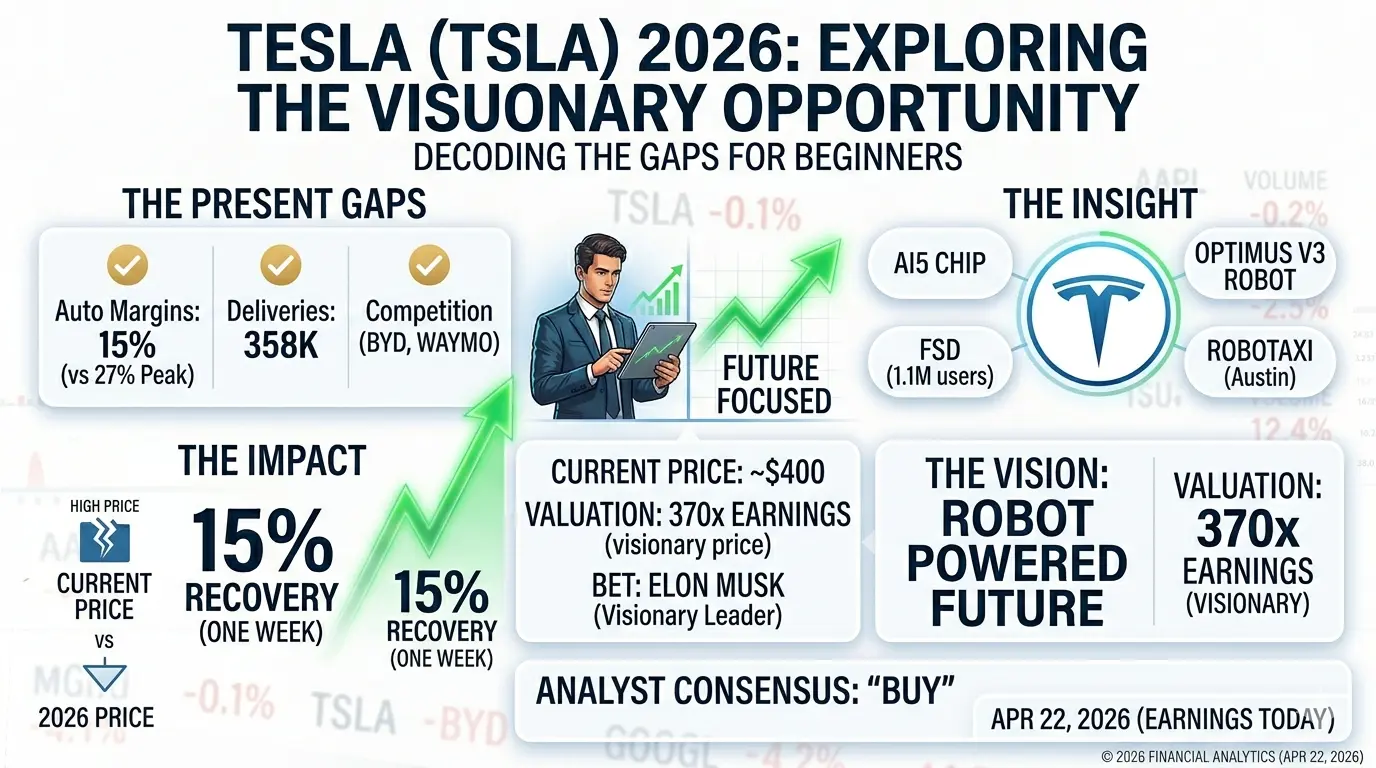
Elon Musk’s wealth is $800 billion.
Now the real question—what happens if that gets distributed to everyone?
Main Explanation
Let’s do the math.
Global population is roughly 8 billion people.
If $800 billion is divided equally:
Factor | Value |
|---|---|
Total Wealth | $800 Billion |
Global Population | ~8 Billion People |
Per Person Amount | ~$100 per person |
That’s it.
Around $100 per person.
It feels surprising because the number “$800 billion” sounds massive. But when spread globally, it shrinks fast.
This is the gap between perception and reality.
Impact
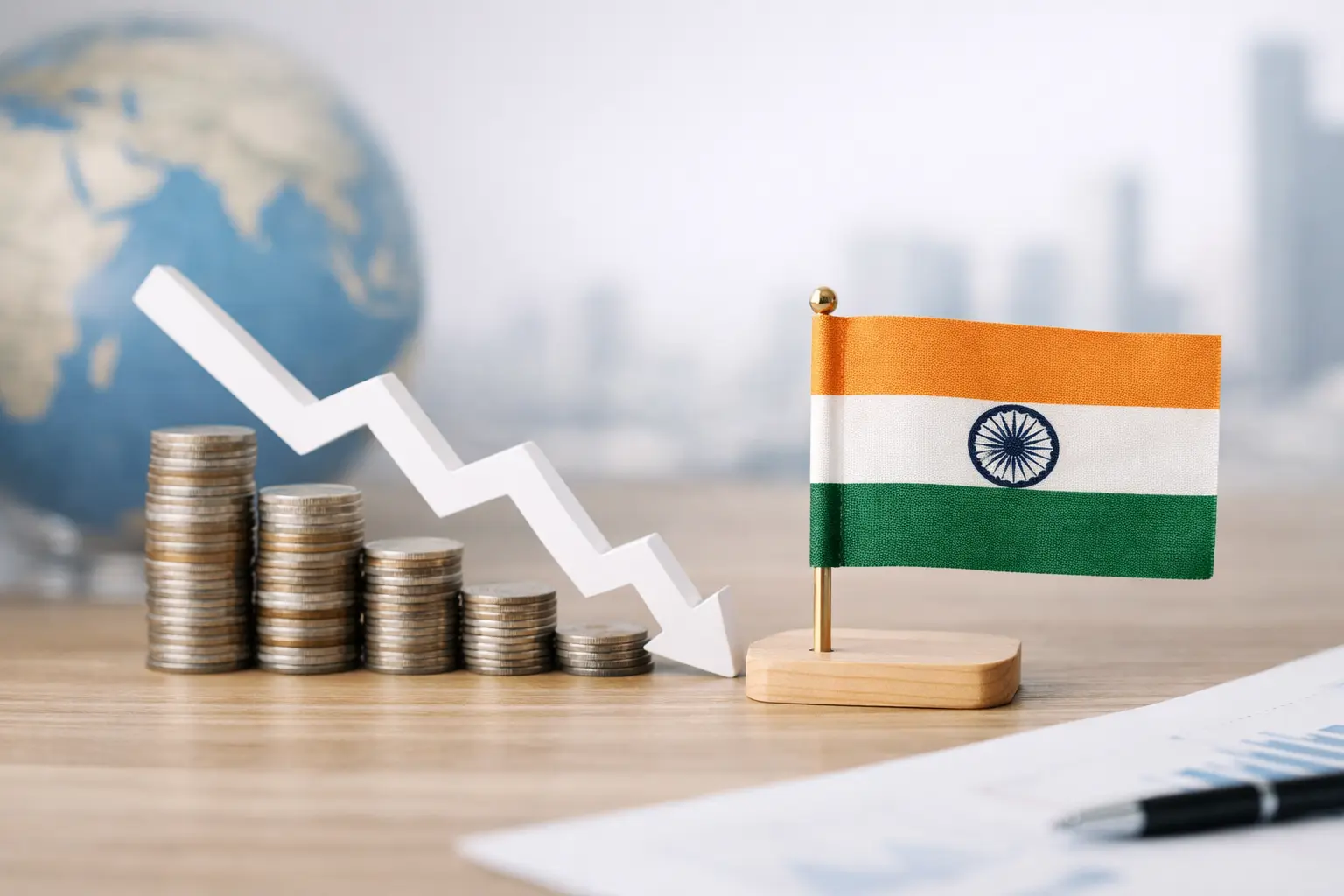
Now imagine everyone receives $100.
Short-term, spending increases. People buy essentials, maybe small upgrades.
But that doesn’t last.
Prices adjust quickly. Demand rises. Markets react.
That $100 starts losing value almost immediately.
And within a short time, the system resets.
“Big money loses impact when spread too wide.”
“Wealth sounds infinite until you divide it.”
“One-time distribution creates a moment, not a solution.”
Real-Life Observation
We’ve already seen this pattern.
Stimulus checks during economic crises.
People received money. It helped temporarily. Spending increased.
But prices followed. The effect faded.
This would be the same.
Just scaled globally.
Trend: Then vs Now
How people understand wealth has changed.
Earlier Thinking | Current Reality |
|---|---|
Billionaires = unlimited cash | Wealth tied to assets |
Cash solves problems | Systems define outcomes |
Distribution is enough | Sustainability matters |
Most billionaire wealth isn’t liquid.
It exists in stocks and company valuations.
Turning it into cash would itself disrupt markets.
Insight
Here’s the deeper truth.
Even $800 billion can feel small when divided globally.
Because the real issue isn’t just money—it’s how economies function.
Jobs, infrastructure, productivity—these create lasting change.
Money alone doesn’t.
Conclusion
So how much would you actually get?
Around $100.
Not enough to change your life.
And even that amount wouldn’t stay impactful for long.
It’s a powerful idea.
But it reveals something important.
Wealth looks massive—until it meets reality.
People hear “hundreds of billions” and imagine unlimited money.
It feels like enough to change the world instantly.
So let’s take a bold assumption.
Elon Musk’s wealth is $800 billion.
Now the real question—what happens if that gets distributed to everyone?
Main Explanation
Let’s do the math.
Global population is roughly 8 billion people.
If $800 billion is divided equally:
Factor | Value |
|---|---|
Total Wealth | $800 Billion |
Global Population | ~8 Billion People |
Per Person Amount | ~$100 per person |
That’s it.
Around $100 per person.
It feels surprising because the number “$800 billion” sounds massive. But when spread globally, it shrinks fast.
This is the gap between perception and reality.
Impact
Now imagine everyone receives $100.
Short-term, spending increases. People buy essentials, maybe small upgrades.
But that doesn’t last.
Prices adjust quickly. Demand rises. Markets react.
That $100 starts losing value almost immediately.
And within a short time, the system resets.
“Big money loses impact when spread too wide.”
“Wealth sounds infinite until you divide it.”
“One-time distribution creates a moment, not a solution.”
Real-Life Observation
We’ve already seen this pattern.
Stimulus checks during economic crises.
People received money. It helped temporarily. Spending increased.
But prices followed. The effect faded.
This would be the same.
Just scaled globally.
Trend: Then vs Now
How people understand wealth has changed.
Earlier Thinking | Current Reality |
|---|---|
Billionaires = unlimited cash | Wealth tied to assets |
Cash solves problems | Systems define outcomes |
Distribution is enough | Sustainability matters |
Most billionaire wealth isn’t liquid.
It exists in stocks and company valuations.
Turning it into cash would itself disrupt markets.
Insight
Here’s the deeper truth.
Even $800 billion can feel small when divided globally.
Because the real issue isn’t just money—it’s how economies function.
Jobs, infrastructure, productivity—these create lasting change.
Money alone doesn’t.
Conclusion
So how much would you actually get?
Around $100.
Not enough to change your life.
And even that amount wouldn’t stay impactful for long.
It’s a powerful idea.
But it reveals something important.
Wealth looks massive—until it meets reality.