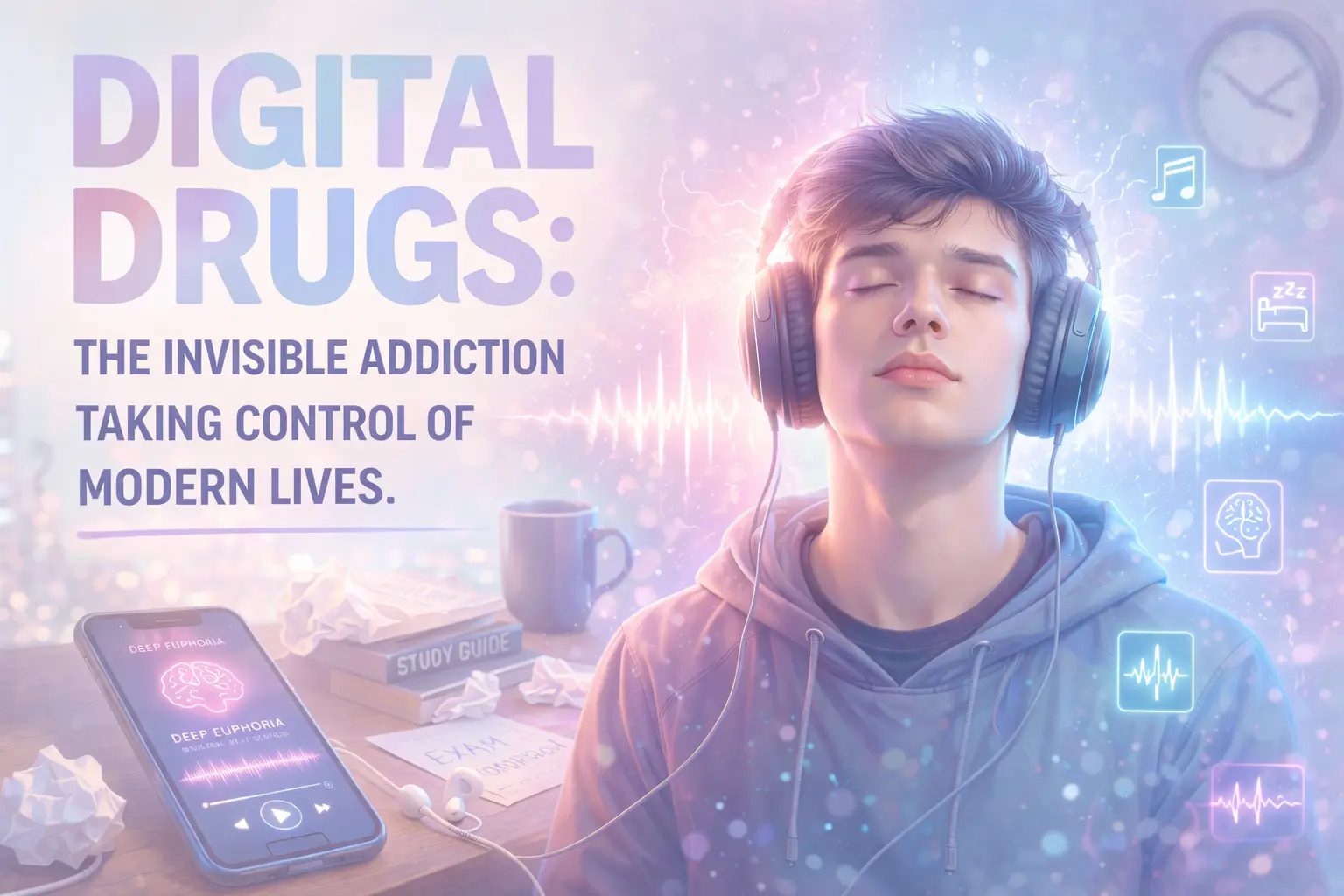
Digital Drugs: The Silent Addiction Shaping a Screen Driven Generation
What if the most addictive substance today does not come in a bottle or a packet, but in your pocket What if the real drug is something you use every single day without fear
This is not an exaggeration. It is a reality slowly unfolding across homes, schools, and workplaces. The concept of digital drugs is no longer a theory. It is a growing concern.
Introduction: A New Kind of Addiction
There was a time when addiction meant harmful substances like alcohol or tobacco. Today, the definition is changing.
Now, addiction can look like endless scrolling, late night gaming, or constantly checking notifications.
Digital drugs refer to the overstimulation caused by excessive use of smartphones, social media, online games, and streaming platforms. These activities trigger dopamine release in the brain, creating a sense of pleasure and reward.
But here is the problem.
This pleasure is temporary. The need for it is not.
What once felt like entertainment is now becoming a habit. And for many, it is slowly turning into dependence.
Main Explanation: What Is Happening and Why
Digital platforms are not random. They are carefully designed.
Every notification, every like, every video recommendation is created to keep users engaged for longer periods. Algorithms study user behavior and deliver content that is hard to ignore.
This is where the idea of digital addiction begins.
The brain starts associating screen time with reward. Over time, users feel the urge to return again and again, even without a clear reason.
Several factors are driving this rise in digital drug usage
Easy access to smartphones and internet Low cost of data, especially in countries like India Highly engaging content designed to capture attention Lack of awareness about digital well being
A few years ago, people used phones when needed. Today, people use phones even when there is no need.
That shift matters.
Impact: The Hidden Cost on Daily Life
The effects of digital drugs are not always visible. But they are deeply felt.
One of the biggest impacts is on mental health. Many users experience anxiety, stress, and restlessness when they are away from their devices. Sleep patterns are disturbed due to late night screen exposure.
Students are among the most affected.
Instead of focusing on studies, many struggle with short attention spans. Even a few minutes without checking the phone can feel uncomfortable.
You may have seen this.
A student opens a book, reads for two minutes, then suddenly checks the phone without any notification.
It is not distraction. It is conditioning.
There is also a social impact. Face to face conversations are reducing. Family time is often replaced by screen time. People are present physically, but absent mentally.
Financial impact may seem less obvious, but it exists. Time lost in digital consumption reduces productivity. For working professionals, this can directly affect performance and growth.
Health is another concern.
Long screen hours lead to eye strain, headaches, and reduced physical activity. In some cases, it contributes to lifestyle problems like obesity.
Digital drugs do not damage suddenly.
They weaken slowly.
Insight: The Reality We Often Ignore
Let us be honest.
Most people know they are spending too much time on screens. Yet, they continue.
Why
Because digital addiction does not feel dangerous.
It feels normal.
Everyone is doing it. That is what makes it more powerful.
There is also a deeper issue.
People are not just using digital platforms. They are escaping into them.
Stress, boredom, loneliness, and pressure often push individuals towards screens. Digital content becomes a quick solution for emotional discomfort.
But it is not a real solution.
It is a temporary distraction.
The real danger is not technology itself. It is the loss of control.
When a person cannot decide when to stop, the tool becomes a trap.
Here is an uncomfortable truth.
Attention is becoming the most valuable resource today. And digital platforms are competing to capture it.
Those who control attention, control behavior.
And slowly, control decisions.
A Real World Reflection
Walk into any household in the evening.
Instead of conversations, you will often see silence filled with screen light. Parents on phones. Children on tablets. Everyone connected online, but disconnected in reality.
A teacher recently shared an observation.
Students are completing assignments faster than ever, but understanding less than before.
This is not about intelligence.
It is about attention.
Conclusion: Taking Back Control
Digital drugs are not visible like traditional addictions. But their impact is real and growing.
Technology is not the enemy. It has made life easier, faster, and more connected.
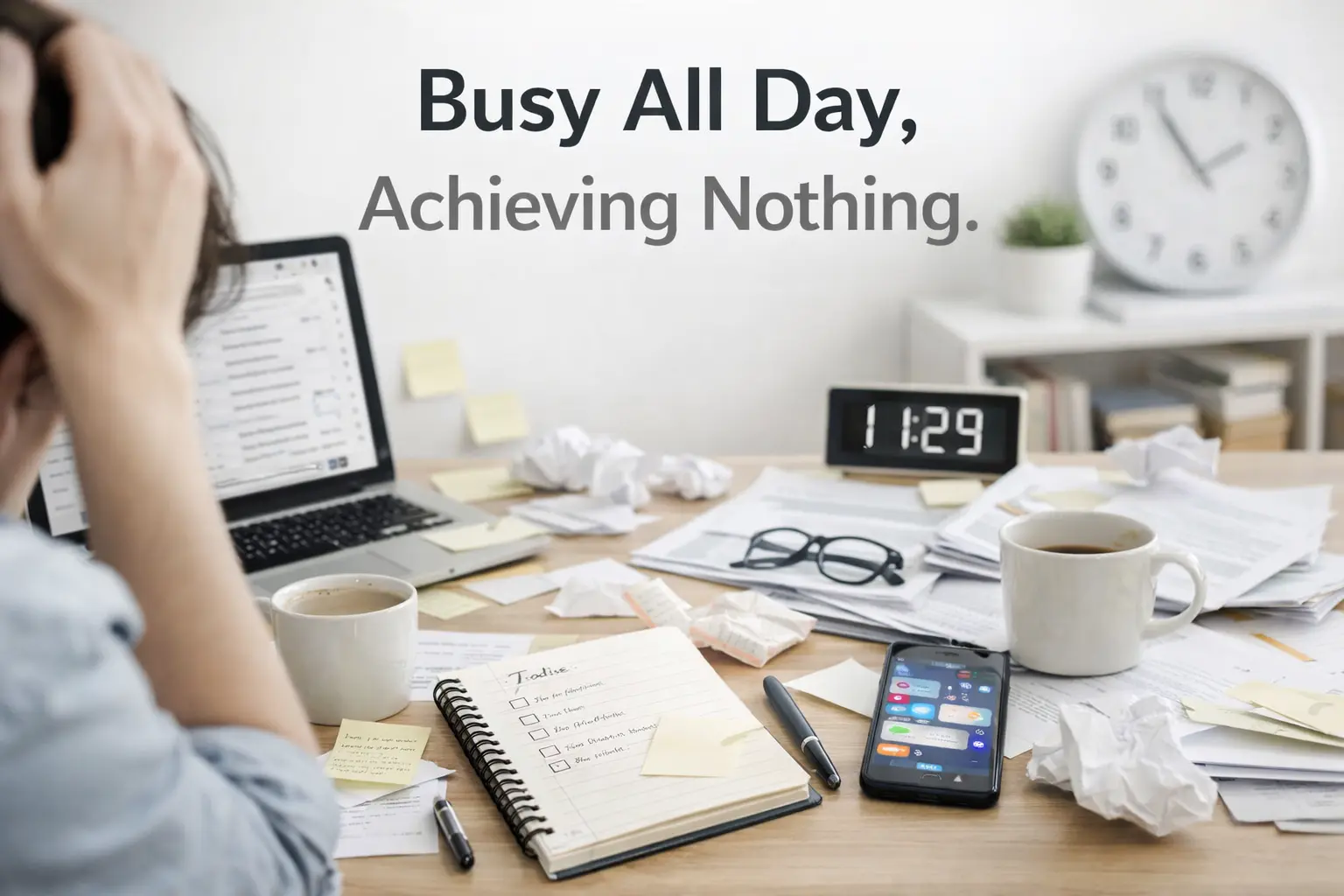
But uncontrolled use is creating a generation that is always busy, yet rarely focused.
The solution is not to remove technology.
It is to manage it.
Simple steps like setting screen time limits, taking regular breaks, and encouraging offline activities can make a difference. Awareness among parents, teachers, and users is equally important.
Because in the end, the goal is clear.
Technology should serve people. People should not serve technology.
The real challenge is not avoiding digital platforms.
The real challenge is knowing when to stop.
And that is where true control begins.