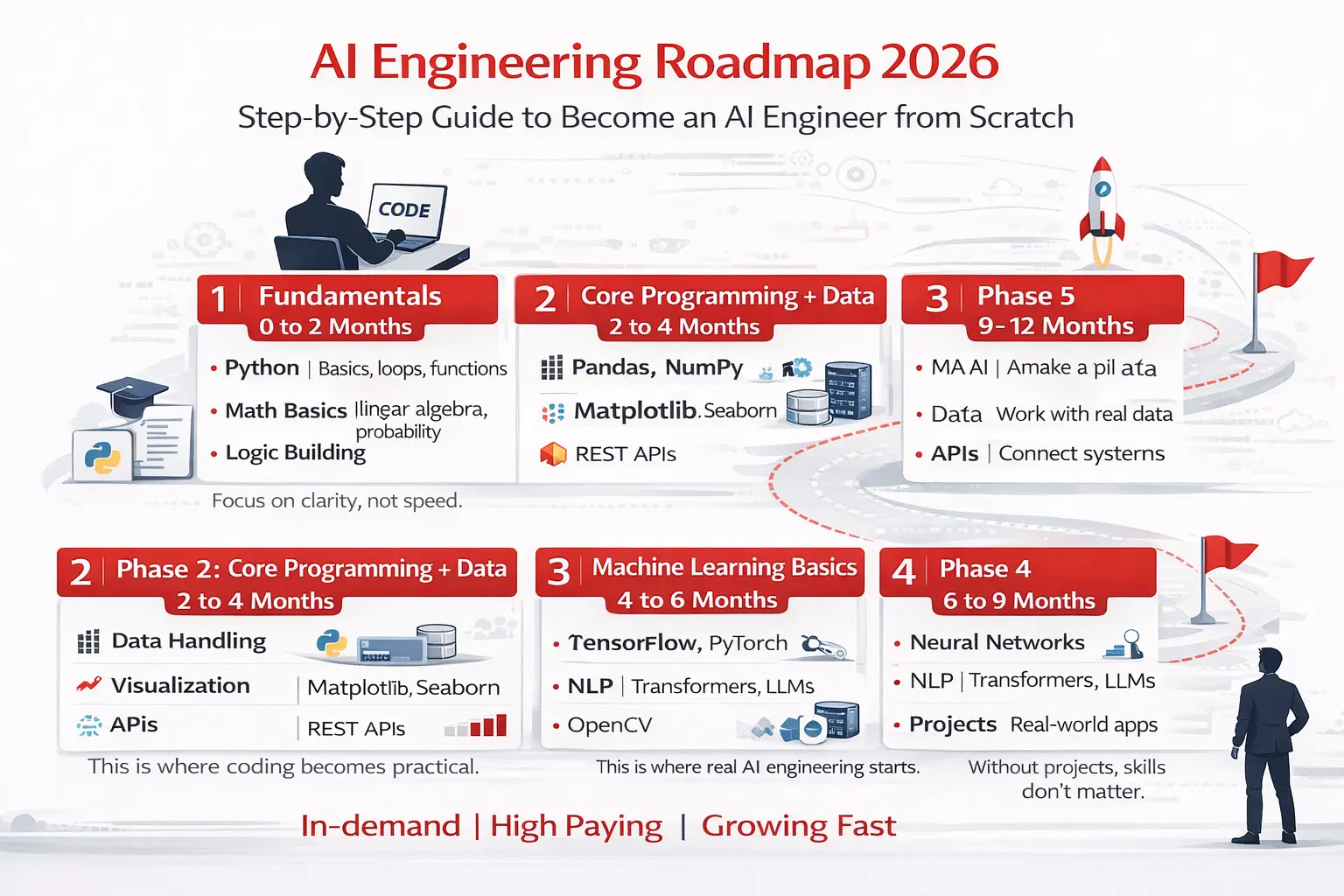
Introduction: A Silent Shift in the Tech World
For years, software development was the safest career path. Learn coding, build projects, get a job. It worked.
But now, something is changing.
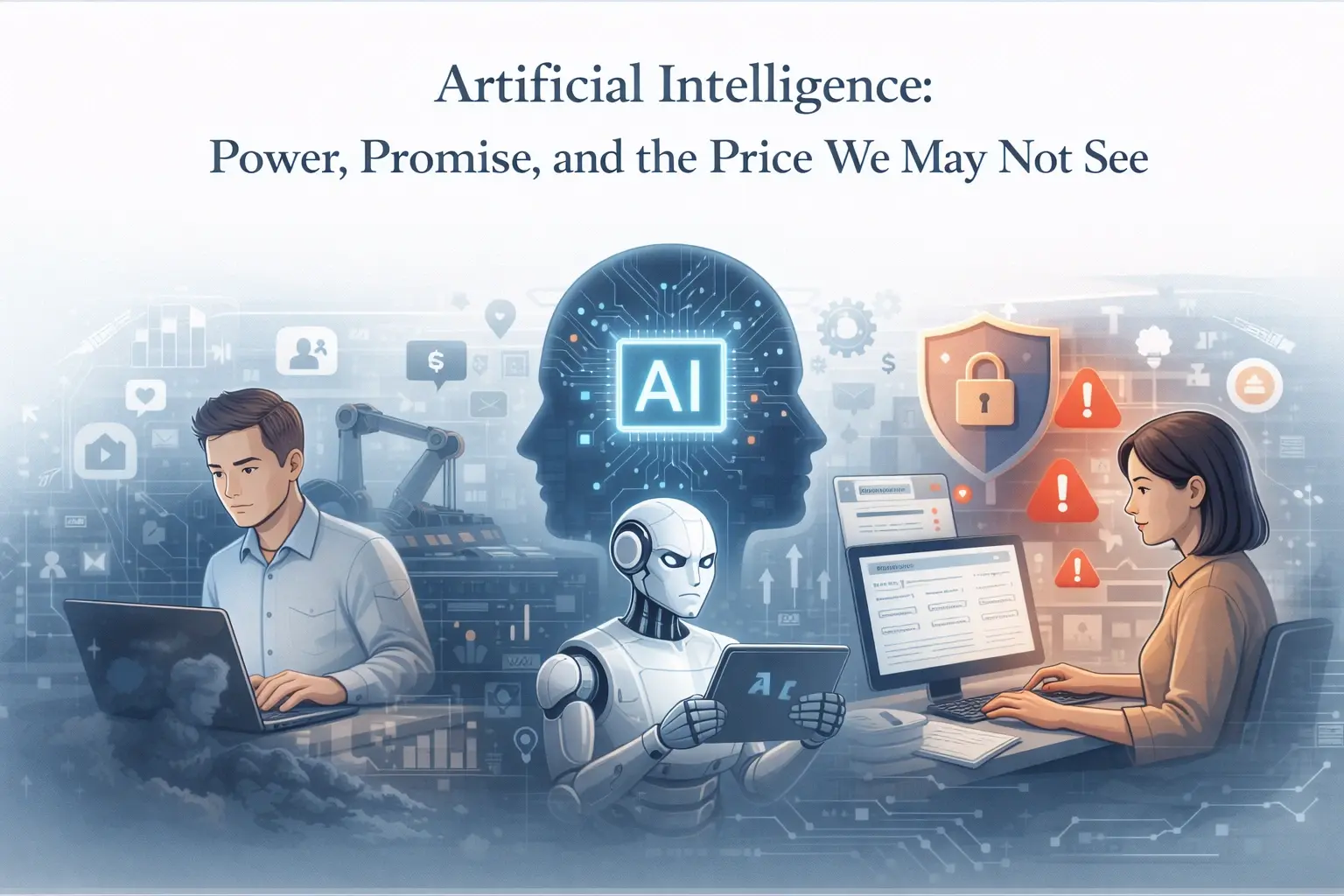
Companies are no longer just hiring people to write code. They are hiring people who can build systems that think, automate, and reduce human work.
This is where AI engineering in 2026 is taking over attention.
And the gap is growing faster than most people realize.
Main Explanation: What’s Happening and Why
The biggest reason behind this shift is simple.
Automation is becoming the core of every business.
Earlier, companies needed developers to build websites, apps, and dashboards. Now they want systems that can:
Answer users automatically
Predict behavior
Reduce manual tasks
Improve decisions using data
That’s exactly what AI engineers do.
Meanwhile, software developer jobs in 2026 are still there, but the entry-level market is getting crowded.
Thousands of students are learning the same stack. Same tutorials. Same projects.
So the difference is not coding anymore. It’s capability.
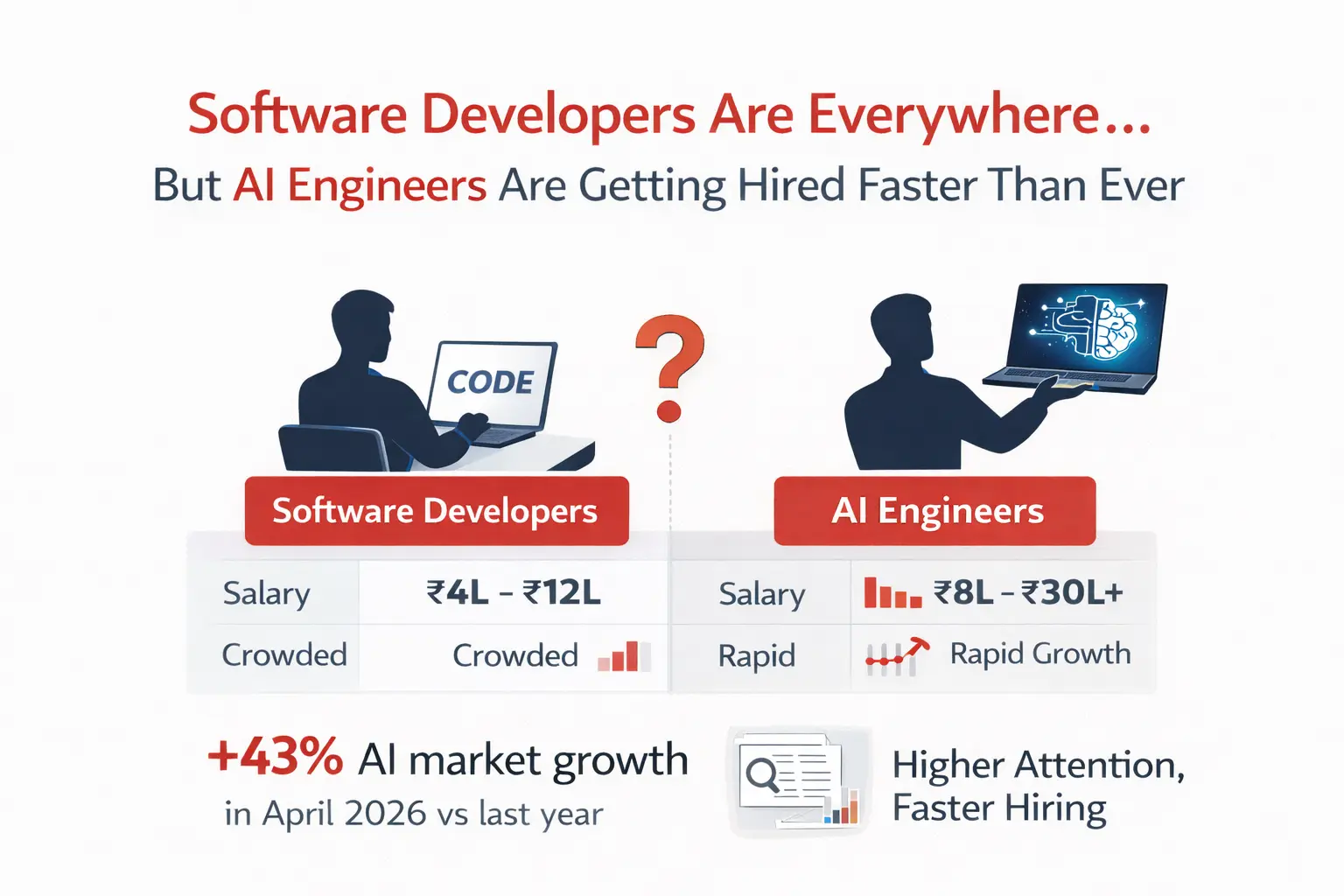
Here’s a clear comparison:
Factor | Software Developer | AI Engineer |
|---|---|---|
Core Work | Build apps, APIs | Build AI systems, automation |
Demand Growth | Steady | Rapid increase |
Market Competition | Very High | Moderate |
Salary Range (India) | ₹4L to ₹12L | ₹8L to ₹30L+ |
Skills Needed | Coding, frameworks | Python, ML, data, logic |
Future Scope | Stable but crowded | Expanding fast |
Now here’s the key point.
The AI job market growth 2026 is not just hype.
In the last 12 months, AI-related job listings have increased significantly across platforms. Many companies are now adding AI roles even before hiring traditional developers.
That’s a strong signal.
Impact: What This Means for You
If you start with software development today, you can still build a solid career.
But you will face heavy competition.
You’ll need to stand out among thousands doing the same thing.
On the other side, AI engineering is harder.
It requires deeper thinking, problem solving, and understanding data.
But because it’s harder, fewer people choose it.
And that creates opportunity.
A fresher AI engineer today can sometimes earn close to someone with 2 to 3 years of experience in traditional development.
That gap didn’t exist before.
But let’s be honest.
AI is not easy to learn.
You will feel confused. You will feel slow. You might even feel like quitting.
That’s part of the process.
Insight: The Real Truth Most People Avoid
“Easy skills get crowded. Difficult skills get rewarded.”
This is exactly what is happening.
Software development has become the default choice. AI engineering is still a conscious decision.
And here’s something uncomfortable but true.
“Most developers are not underpaid. The market is simply oversupplied.”
At the same time, companies are actively searching for people who can integrate AI into products.
Because AI doesn’t just build things.
It replaces effort.
And wherever effort is reduced, value increases.
Another trend is clear.
Compared to even 3 years ago, companies are now prioritizing automation over expansion.
They don’t want bigger teams.
They want smarter systems.
A Real Observation
If you scroll through job platforms today, you’ll notice something.
AI roles may be fewer in number, but they get higher attention, better pay, and faster hiring.
That’s not random.
That’s market direction.
Conclusion: The Decision Is Not About Coding Anymore
This is no longer a question of developer vs AI engineer.
It’s about positioning yourself in the future market.
Do you want to compete in a crowded space
Or grow in a space that is still expanding
Both paths work.
But they don’t grow at the same speed.
And in today’s world, speed decides opportunity.
Because the future is not waiting for people to catch up
It’s already hiring the ones who moved early.