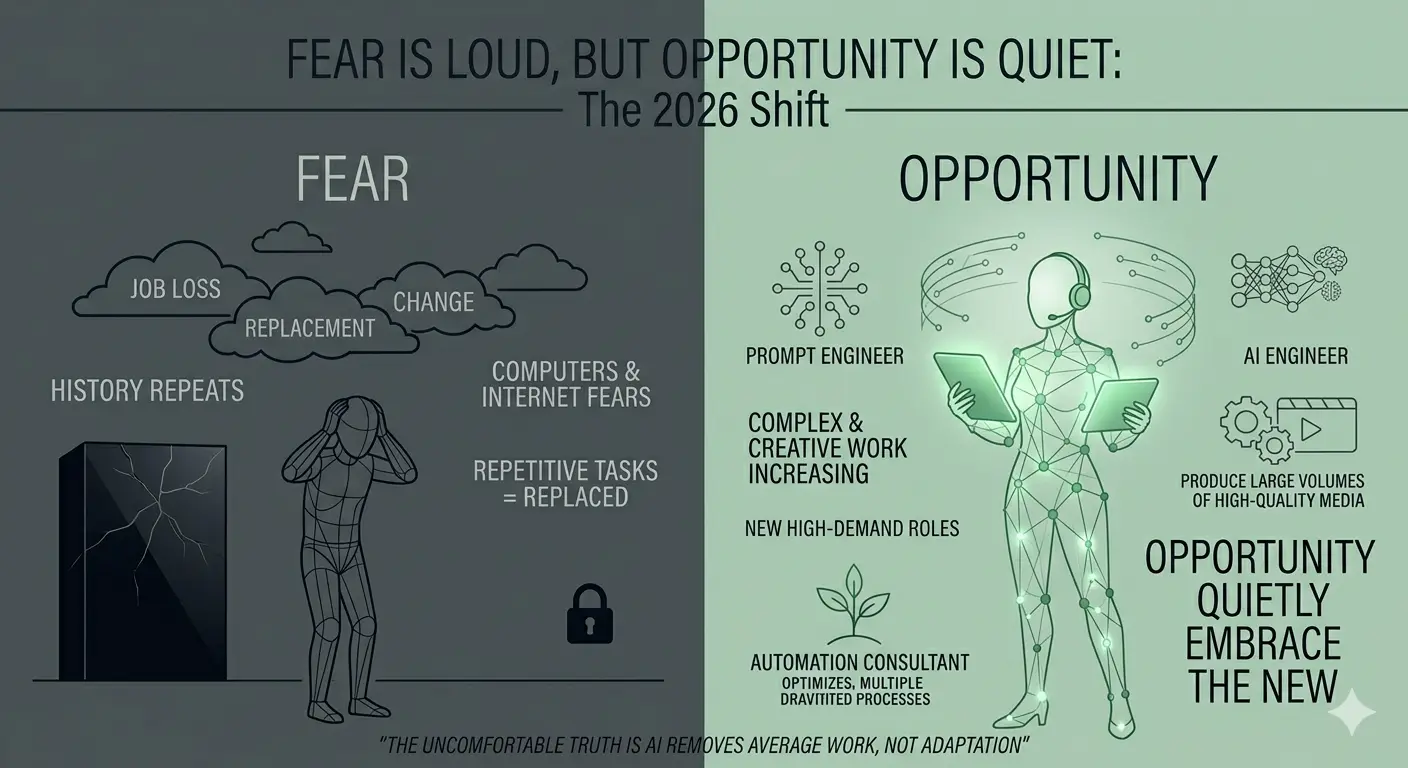
Introduction: Fear Is Loud, But Opportunity Is Quiet
Every time a new technology arrives, the first reaction is fear.
When computers came, people feared job loss. When the internet grew, the same fear repeated.
Now, with AI, history is repeating again.
But here is what most people are missing.
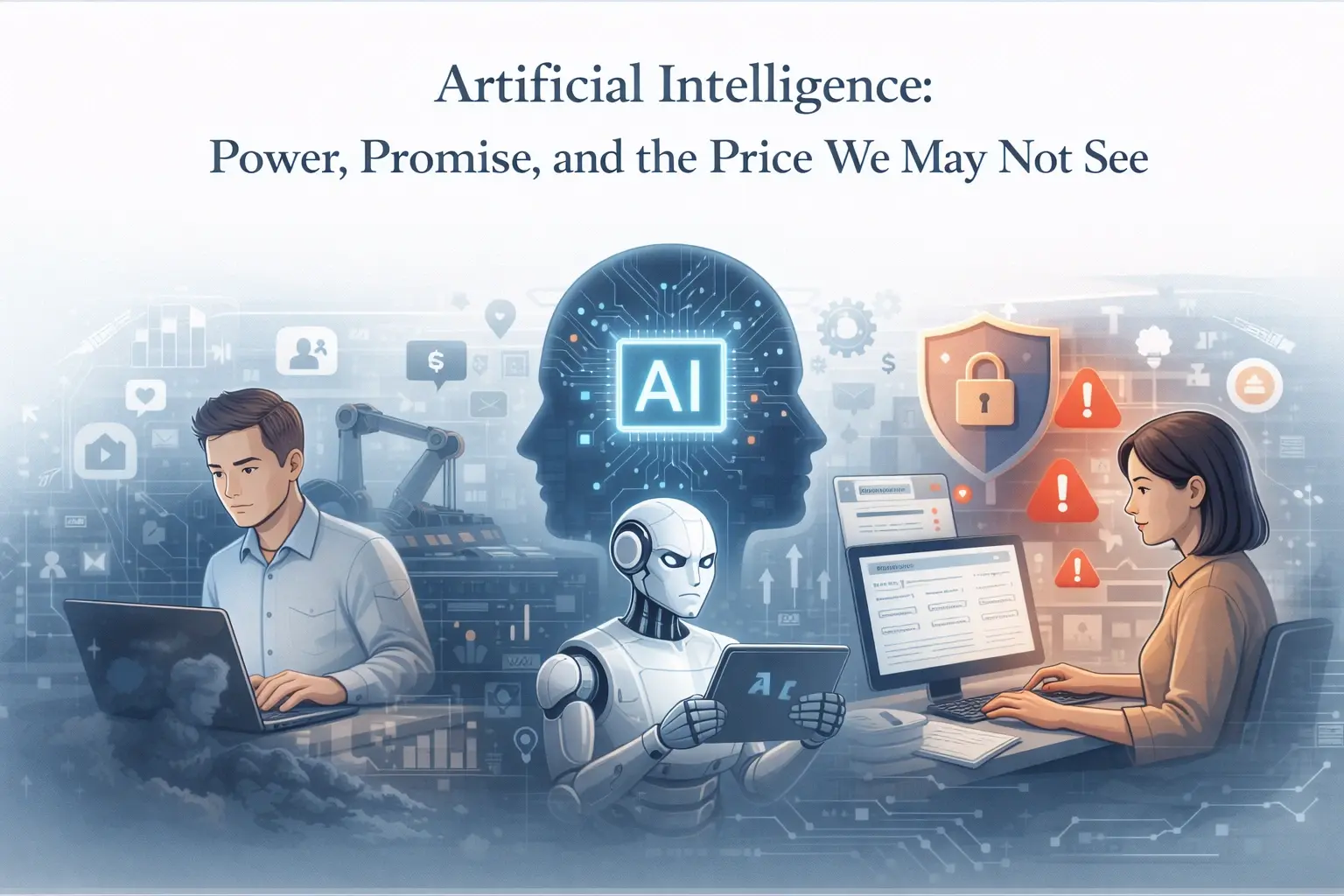
AI is not just replacing jobs. It is reshaping how work is done.
And in that shift, new opportunities are being created faster than ever before.
Main Explanation: What Is Actually Happening in 2026
AI is mainly replacing tasks, not complete careers.
Repetitive work is being automated. But complex, creative, and decision-based work is increasing.
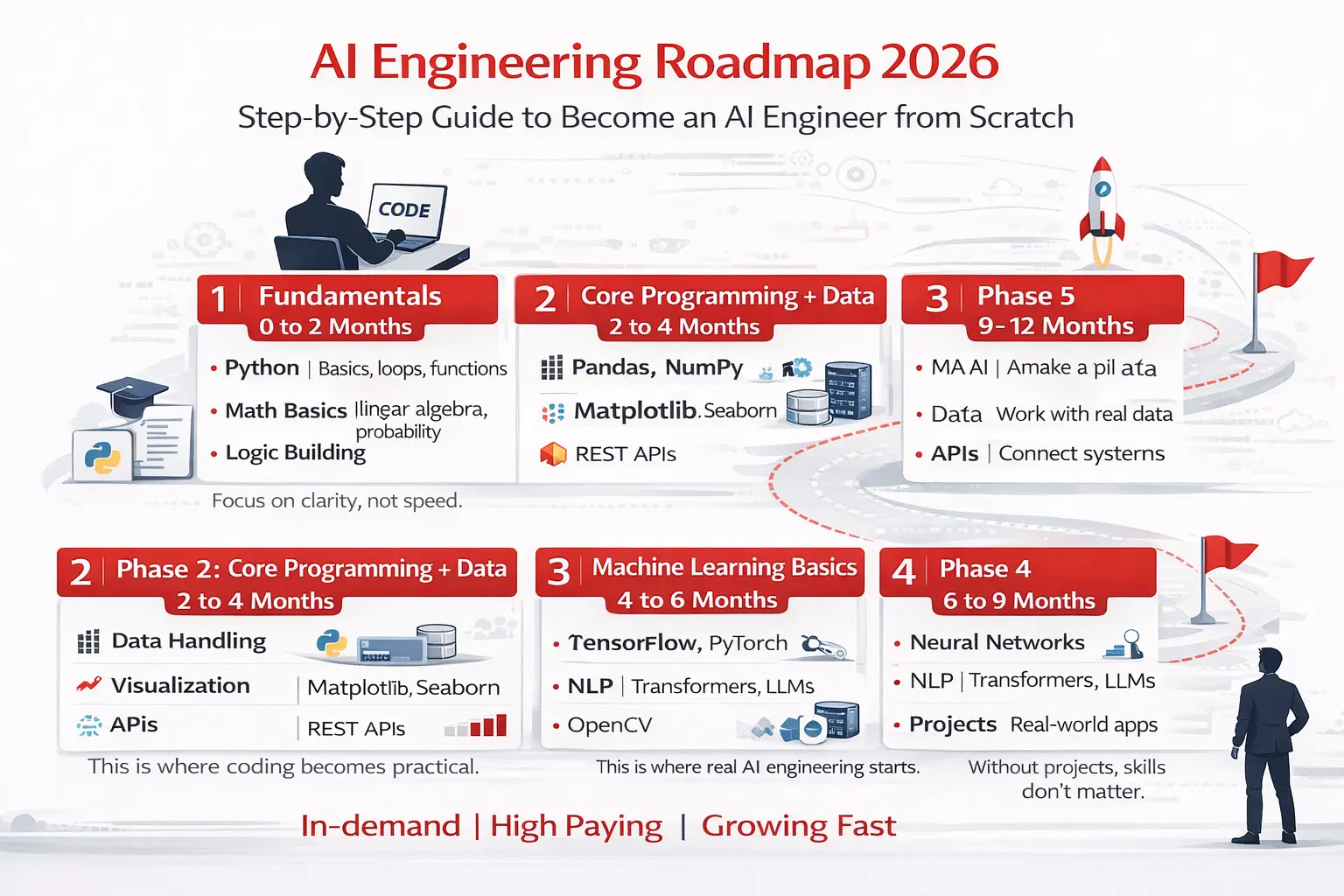
This shift is opening new types of roles that did not exist a few years ago.
New Opportunities Created by AI
Role | What They Do | Demand in 2026 |
|---|---|---|
AI Engineer | Build AI systems and models | Very High |
Prompt Engineer | Design inputs for AI tools | Growing |
Automation Consultant | Help businesses automate tasks | High |
AI Content Creator | Create content using AI tools | Rapidly Growing |
Five years ago, most of these roles were not even common.
Today, they are becoming some of the most in-demand careers.
Why This Shift Is Happening
Businesses are no longer just hiring people to do work.
They are hiring people who can reduce work.
That is the difference.
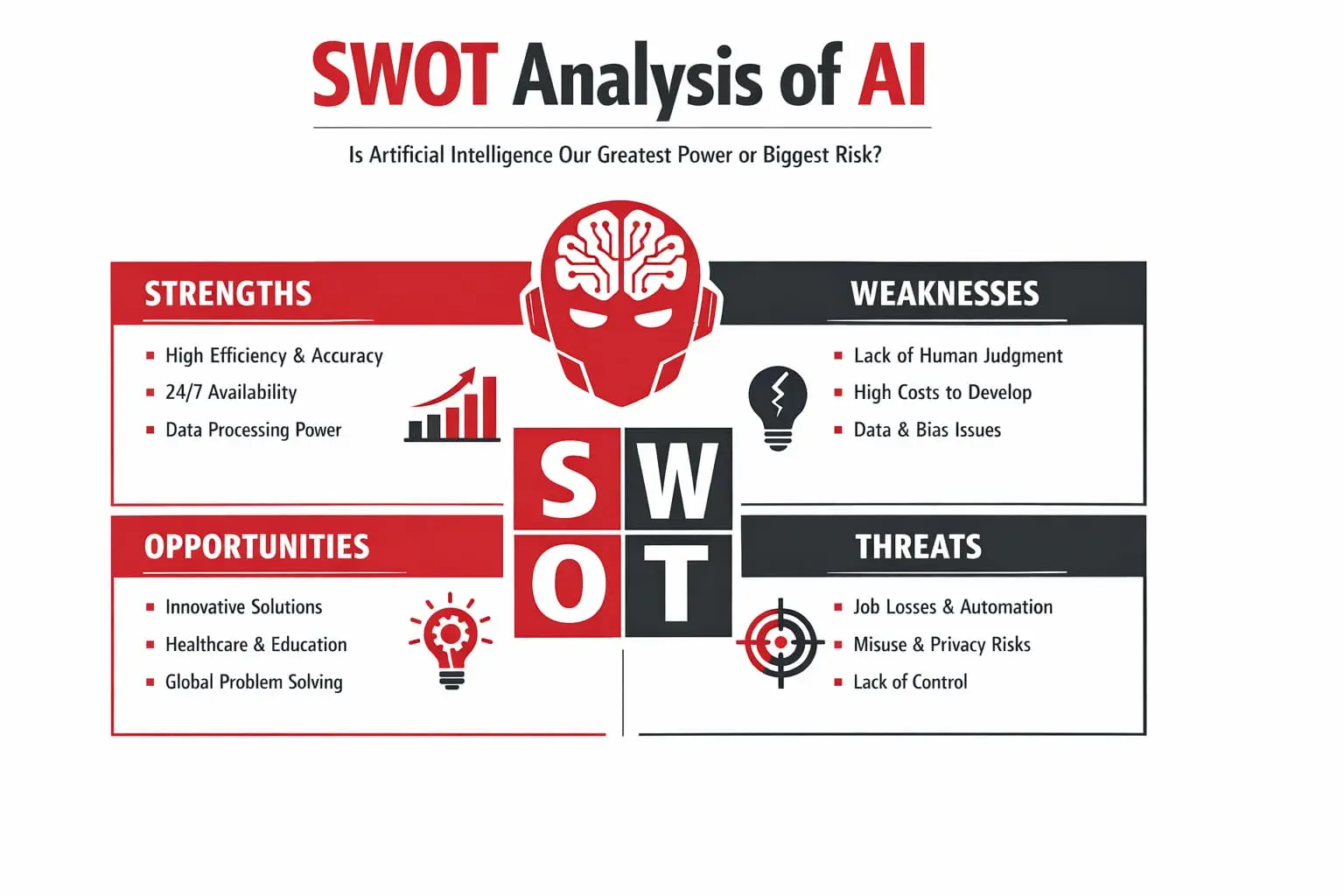
AI helps companies save time, reduce cost, and increase output.
And anyone who understands how to use AI becomes more valuable.
Impact: What This Means for People
This change is creating two types of professionals.
People who adapt and grow with AI
People who stay the same and feel replaced
The difference is not intelligence.
The difference is adaptation.
A software developer who learns AI tools becomes more powerful.
A content writer who uses AI can produce 3 times more work.
A freelancer who understands automation can charge higher fees.
Same person. Different approach.
**That is where the opportunity lies.**
Insight: The Truth Most People Don’t Want to Accept
**“AI is not removing opportunities. It is removing average work.”**
This is the uncomfortable truth.
Basic skills are becoming less valuable.
Because AI can now do basic work faster and cheaper.
But high-value skills are becoming more important.
And more rewarded.
**“The future does not belong to people who work harder. It belongs to people who work smarter.”**
Another reality:
**“People are not losing jobs to AI. They are losing to people who understand AI.”**
A Real Observation
If you look at job platforms today, you will notice something interesting.
Companies are not just hiring for roles.
They are adding “AI knowledge preferred” in almost every job description.
That was rare just a few years ago.
This is a clear signal of where the market is moving.
Conclusion: The Problem Is Not AI, It Is Adaptation
AI is not the end of jobs.
It is the beginning of a new type of work.
More opportunities are being created.
But they are going to people who are prepared.
You don’t need to master everything.
You just need to start adapting.
Because in the end:
The question is not whether AI will take jobs.
The real question is whether you will grow with it or get left behind.