Did your salary increase… but your bank balance still feels tight?
You’re not alone. In 2026, millions of people are earning more on paper—but feeling poorer in real life.
Something isn’t adding up.
Introduction: The Illusion of Growth
On paper, it looks like progress. Salaries are up. Promotions are happening. Some industries even boast record pay hikes.
But step into a grocery store, open your rent app, or check your electricity bill—and that “growth” starts to feel like a joke.
This isn’t just inflation. It’s something deeper.
A quiet financial squeeze that doesn’t scream—but slowly suffocates.
Main Explanation: What’s Really Happening (And Why)
Let’s break it down simply.
1. Inflation Isn’t Slowing—It’s Shifting
Yes, inflation 2026 is still a factor. But it’s no longer just about food or fuel.
It’s now hidden in:
Subscription services you forgot about
Rent increases disguised as “market adjustments”
Smaller product sizes for the same price
You’re not spending more consciously.
You’re spending more by default.
2. Lifestyle Inflation Is Eating Your Raise
Got a salary hike? Great.
But so did your expectations.
Better phone
More dining out
Premium apps
Faster internet
It feels normal. It feels deserved.
But here’s the catch: your expenses grow silently with your income.
“You didn’t get richer. You just upgraded your lifestyle.”
3. The Digital Economy Is Designed to Drain You
In 2026, money doesn’t feel real.
You tap. You swipe. You auto-pay.
And that’s the problem.
When money becomes invisible, spending becomes effortless.
Think about it:
₹199 here
₹499 there
₹999 for convenience
Individually small. Collectively brutal.
4. Salary Growth vs Real Value Gap
Here’s a subtle but important truth:
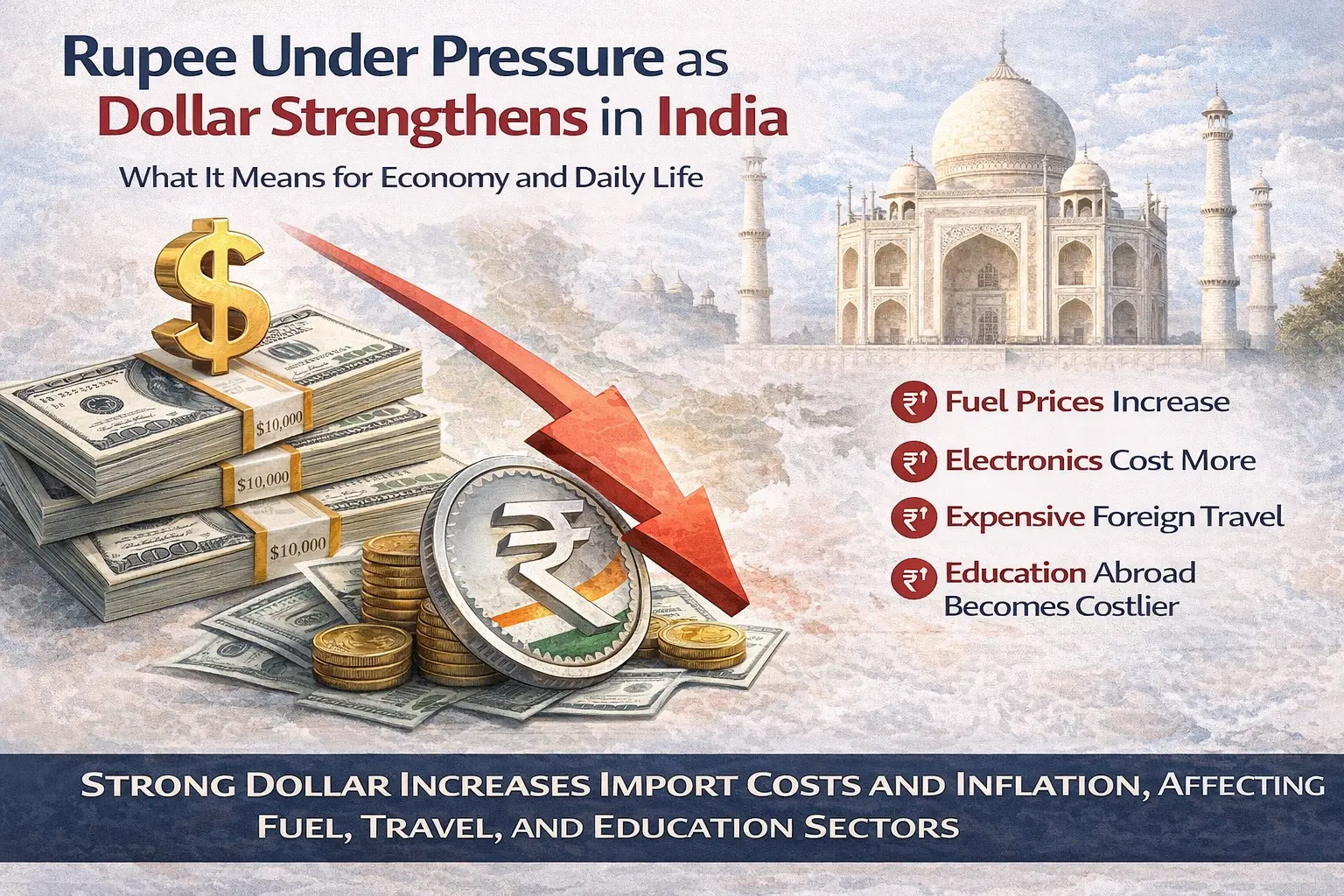
Even if your salary increases by 10%, your cost of living might increase by 15–20% in real terms.
That gap is where the pain lives.
You’re technically earning more.
But practically losing ground.
Impact: How This Is Affecting People
This isn’t just about numbers. It’s about how people feel.
Financial Stress Is Rising
People are:
Saving less
Investing less
Living paycheck to paycheck despite “good salaries”
Even professionals with stable jobs feel uncertain.
Mental Pressure Is Quietly Increasing
You won’t always see it.
But it’s there.
The stress of maintaining a lifestyle.
The fear of falling behind.
The constant comparison.
One scroll on social media—and suddenly your salary feels small.
Social Reality Is Changing
Delayed marriages
Fewer big purchases
Side hustles becoming necessary, not optional
A generation that was promised stability is now chasing survival in disguise.
Insight: The Uncomfortable Truth
Here’s what most people won’t say out loud:
“Your salary isn’t shrinking. Your system is getting more expensive.”
And the system is smart.
It doesn’t force you to spend.
It makes spending feel natural.
That’s the real trap.
Another uncomfortable truth?
Most people are not becoming poor. They are becoming financially stretched.
There’s a difference—but it feels the same.
Let’s be honest for a second—
when was the last time your salary increase actually felt like freedom?
A Shift From Needs to Endless Wants
In the past:
You earned → You spent → You saved
Now:
You earn → You upgrade → You maintain → You struggle
The cycle has changed.
And it’s designed to keep you running.
Powerful Takeaways (Shareable Lines)
“A higher salary means nothing if your expenses evolve faster than your income.”
“In 2026, money isn’t disappearing. It’s leaking.”
“You don’t feel poor because you earn less—you feel poor because everything costs more than it should.”
Conclusion: The Real Reason It Feels Smaller
Your salary didn’t fail you.
The environment around it changed.
Prices are smarter. Spending is easier. Expectations are higher.
And quietly, without warning, your financial comfort zone shrinks.
That’s why your salary feels smaller in 2026—even when it isn’t.