Did he really like it—or did the internet just decide he did?
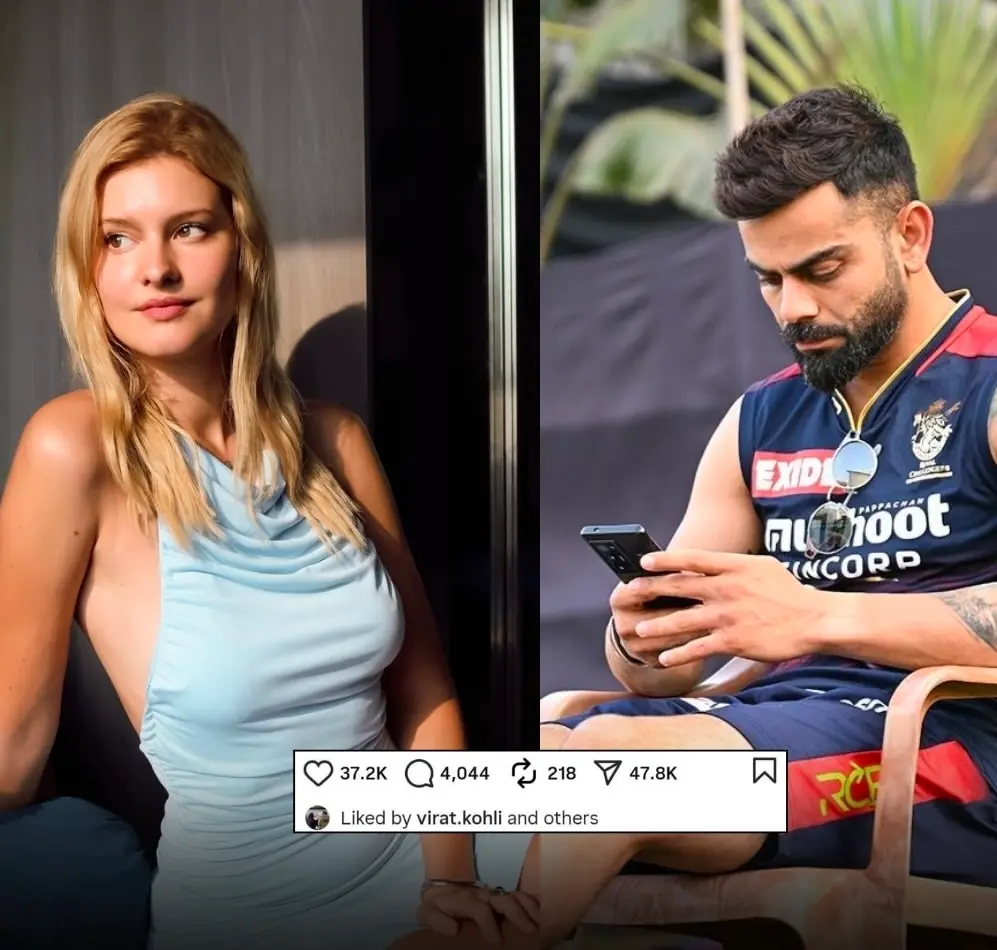
Another day, another social media storm. This time, it circles around Virat Kohli, a global cricket icon who once again found himself trending—not for a match-winning performance, but for a “like” on a model’s photo that quickly turned into an “unlike” after fans noticed.
Within minutes, screenshots spread. Memes followed. And then came the now-familiar defense: “It’s the algorithm.”
Introduction: A Tap That Sparked a Fire
In today’s digital world, a single tap can trigger millions of reactions.
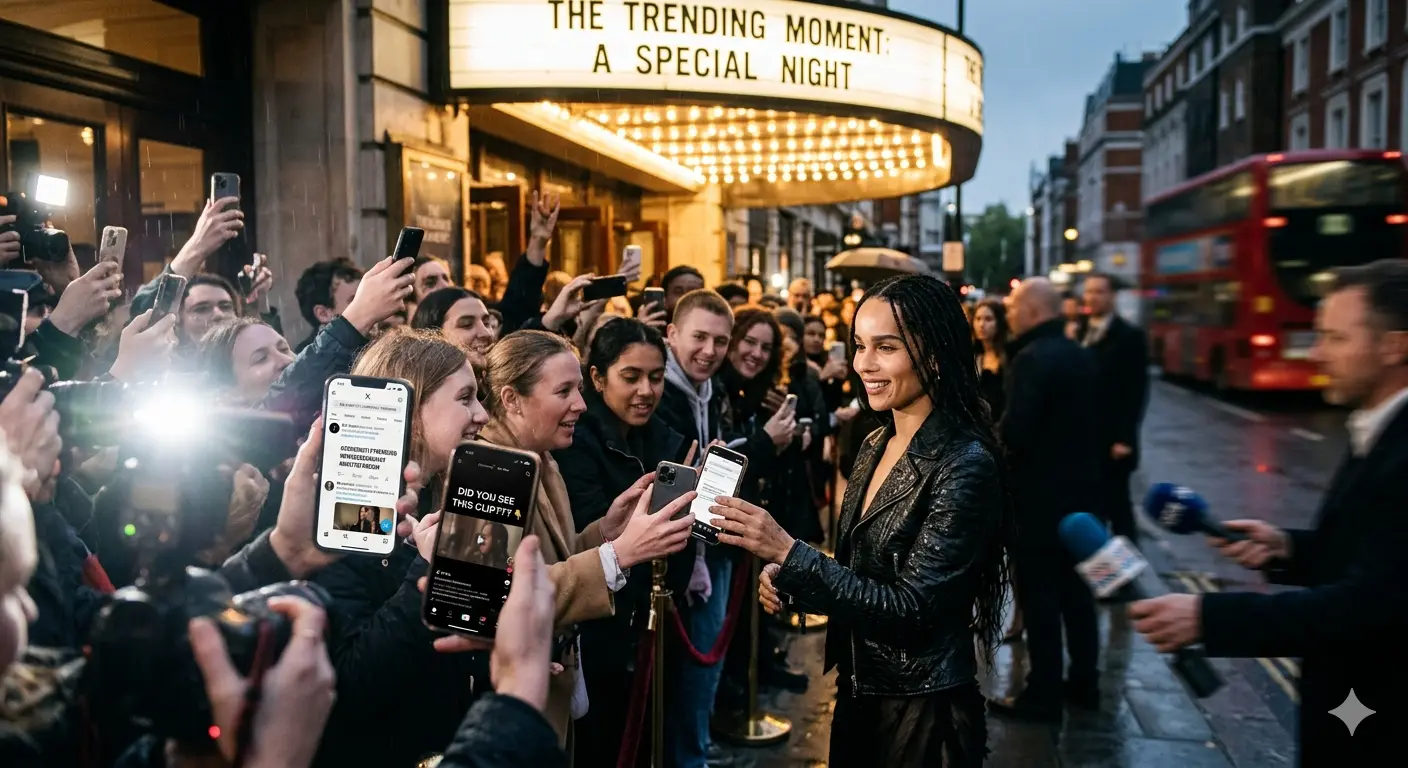
Virat Kohli, one of the most followed athletes in the world, reportedly liked a post from a model on social media. Soon after, the like disappeared. But by then, it was too late. Fans had already captured it, shared it, and turned it into a full-blown Virat Kohli social media controversy.
This isn’t the first time something like this has happened. And that’s exactly why it’s raising eyebrows.
Main Explanation: What Happened—and Why It Keeps Happening
Here’s the sequence most people agree on:
A model uploads a photo
Kohli’s account appears to like it
Fans notice and take screenshots
The like disappears
Fans react, debate, and blame Instagram’s algorithm
The phrase “Instagram like glitch” suddenly starts trending.
But let’s be honest—people aren’t fully buying it.
Because this pattern has repeated itself. And repetition builds suspicion.
Some fans argue that social media platforms can accidentally trigger likes due to algorithmic suggestions or accidental taps—especially with infinite scrolling. Others believe this is simply human error, quickly corrected once noticed.
And then there’s a third group—the skeptics—who see this as something more calculated.
“On social media, nothing disappears. It only gets archived by strangers.”
That’s the real rule now.
Impact: More Than Just a Like
At first glance, this seems trivial. A celebrity liked a photo. So what?
But in reality, incidents like these have deeper ripple effects:
1. Public Image Pressure
For someone like Kohli, every action—intentional or not—is under scrutiny. His brand value, endorsements, and public persona are tightly linked to how he is perceived online.
Even a small controversy can spark unnecessary noise.
2. Fan Reactions and Polarization
Fans are no longer just supporters—they are investigators. Some defend him aggressively, while others criticize instantly.
It becomes less about truth and more about narrative.
3. Mental Fatigue of Being Watched
Imagine knowing that every click, like, or scroll could become a headline.
That’s not normal human behavior anymore—that’s performance.
One relatable truth:
We all double-check our messages before sending. Celebrities now have to double-check their likes.
Insight: The Uncomfortable Truth About Digital Fame
Here’s the part most people don’t say out loud:
This isn’t really about Virat Kohli. It’s about us.
We have built a culture where:
Screenshots are faster than facts
Assumptions spread quicker than explanations
And algorithms get blamed for human curiosity
“Fame today isn’t just about being seen. It’s about being watched—constantly.”
There’s also a growing trend where celebrities use “algorithm glitches” as a safe explanation. It’s convenient, non-confrontational, and hard to prove wrong.
But repeated patterns weaken credibility.
At the same time, platforms like Instagram are designed to maximize engagement. Accidental interactions do happen. The line between intentional and accidental is thinner than ever.
So what’s the truth?
Probably somewhere in the middle.
A Bigger Pattern: Social Media Is Becoming the Real Battlefield
Over the past few years, celebrity social media behavior has become a major talking point. From tweets to likes to follows—everything is analyzed like evidence in a courtroom.
In fact, a growing number of controversies now start on social media rather than traditional media.
That’s a shift.
Earlier, performance defined reputation.
Now, perception does.
“Your digital footprint speaks louder than your real-world actions.”
Conclusion: The Like That Says Too Much
In the end, whether it was an accident, an algorithm glitch, or a moment quickly undone—it doesn’t even matter anymore.
Because the internet has already decided the story.
And once the story is out, it lives forever.
This incident is less about one like and more about the fragile balance between privacy and public life in the age of viral content.
One tap. One second. One storm.
Welcome to modern fame—where even silence gets interpreted.