Introduction
What happens when a voice that defined generations suddenly goes silent?
India woke up to that reality today. The legendary Asha Bhosle, often called the Queen of Indian Music Industry, has passed away at the age of 92. A voice that once flowed effortlessly through radios, cassettes, and playlists has now become a memory—powerful, timeless, and irreplaceable.
For millions, this is not just the death of a singer. It feels personal.
Main Explanation: What Happened and Why It Matters
Asha Bhosle’s passing marks the end of an era in Indian playback singing. With a career spanning over seven decades, she recorded more than 12,000 songs in multiple languages—something almost impossible in today’s fragmented music industry.
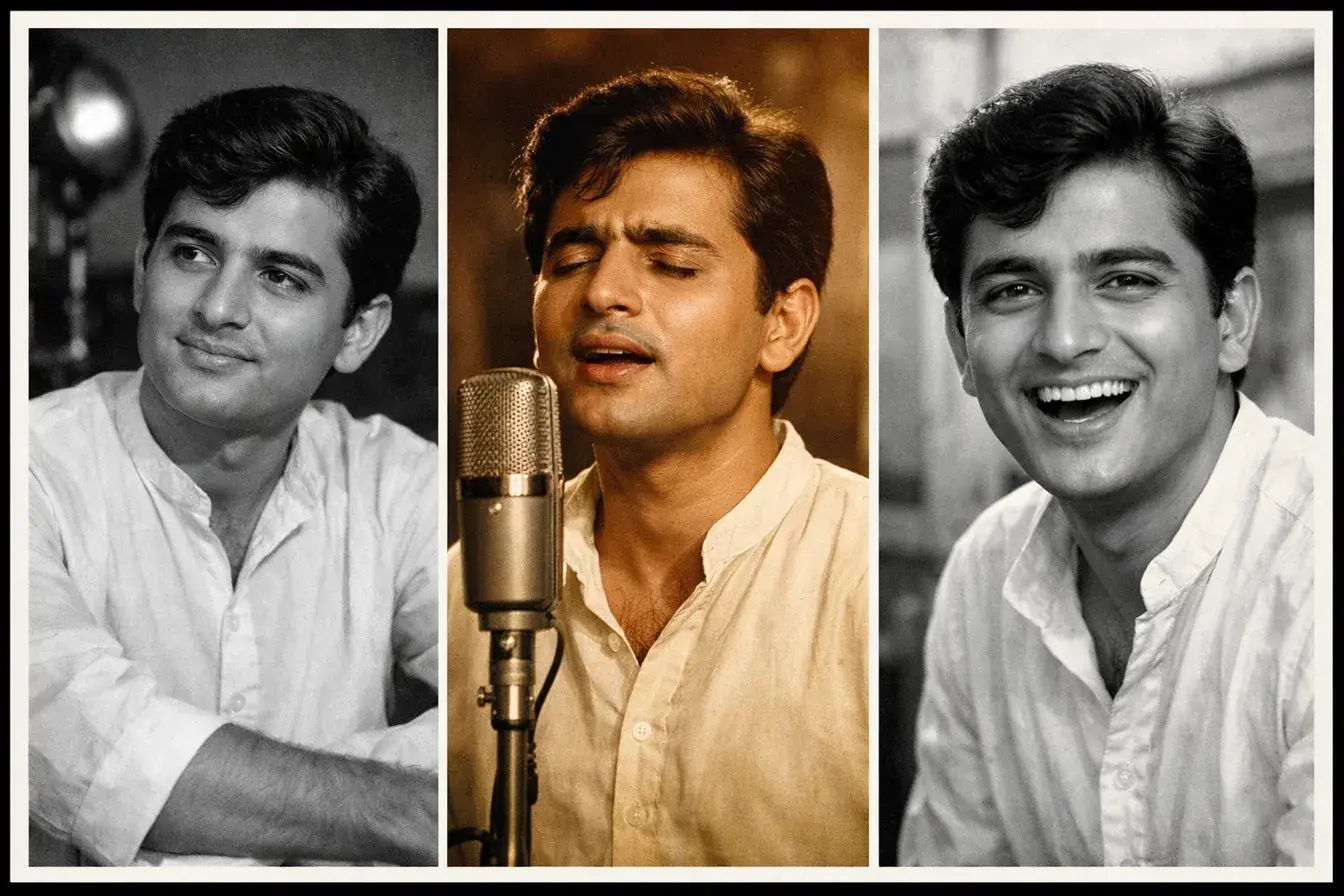
From romantic classics to peppy dance numbers, from soulful ghazals to experimental pop, she didn’t just sing songs—she shaped moods. Her collaborations with legends like R. D. Burman and her unique ability to adapt made her stand apart, even in an era dominated by giants like Lata Mangeshkar.
But here’s the deeper reality: artists like her don’t exist anymore.
Not because talent has vanished—but because the system has changed.
Today’s music industry rewards speed, virality, and algorithms. Back then, it rewarded depth, discipline, and decades of consistency.
Impact: What This Loss Means for People
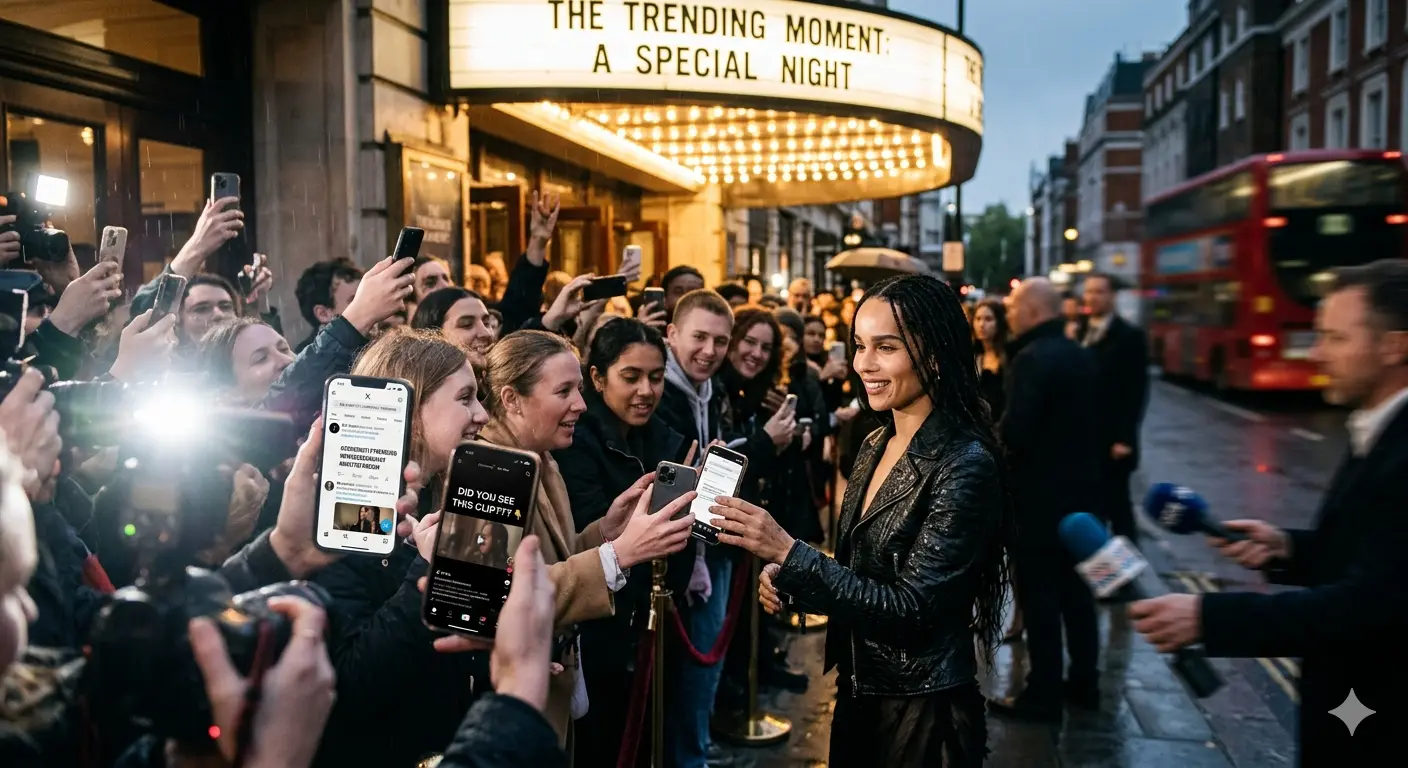
Her death has triggered a wave of grief across India. Social media is flooded with tributes, playlists, and memories. From old Bollywood fans to young listeners discovering her through remixes, everyone seems to feel the loss.
But the impact goes beyond nostalgia.
For older generations, it’s like losing a part of their youth.
For aspiring singers, it’s the loss of a benchmark.
For the industry, it’s the disappearance of a standard that may never return.
Walk into any Indian household today, and you’ll notice something subtle—someone playing her songs in the background, not loudly, just enough to feel something.
That quiet moment says everything.
One relatable truth: We don’t realize how deeply music is tied to our lives until the voice behind it disappears.
Insight: The Uncomfortable Truth About Legacy
Let’s be honest—legends are celebrated more after they are gone.
While Asha Bhosle was respected, the current generation largely consumed fast, trending music. Her songs were often revisited only during nostalgia waves or reality shows.
That’s the uncomfortable truth.
“We don’t lose legends in a day. We slowly forget them while they are still alive.”
And yet, her legacy refuses to fade. Why?
Because she didn’t just adapt to change—she dominated it. From black-and-white cinema to the digital age, she stayed relevant. That level of longevity is not just rare—it’s brutal to achieve.
Another reality check:
“Talent gets you noticed. Consistency makes you unforgettable.”
In today’s world of short attention spans, her life is a direct contradiction to how success is now defined.
Deeper Observation (Trend + Comparison)
If you look closely, the Bollywood music industry has shifted dramatically:
Then: Fewer songs, deeper impact, long-lasting relevance
Now: More songs, instant hits, faster forgetfulness
Asha Bhosle belonged to a time when a single song could live for decades. Today, most songs barely survive a season.
That contrast hits harder today than ever before.
Conclusion
Asha Bhosle is gone—but her voice isn’t.
It lives in late-night playlists, old memories, wedding dances, heartbreak moments, and quiet drives. It lives in the background of India itself.
One line sums it up:
“Legends don’t die. They become the standard everyone fails to reach.”
And maybe that’s the real loss—not just her absence, but the realization that we may never see another like her again.