When a Prime Minister says the nation is watching women’s dreams being crushed, it’s not just a statement—it’s a warning.
But the real question is: who is responsible, and what comes next?
Introduction
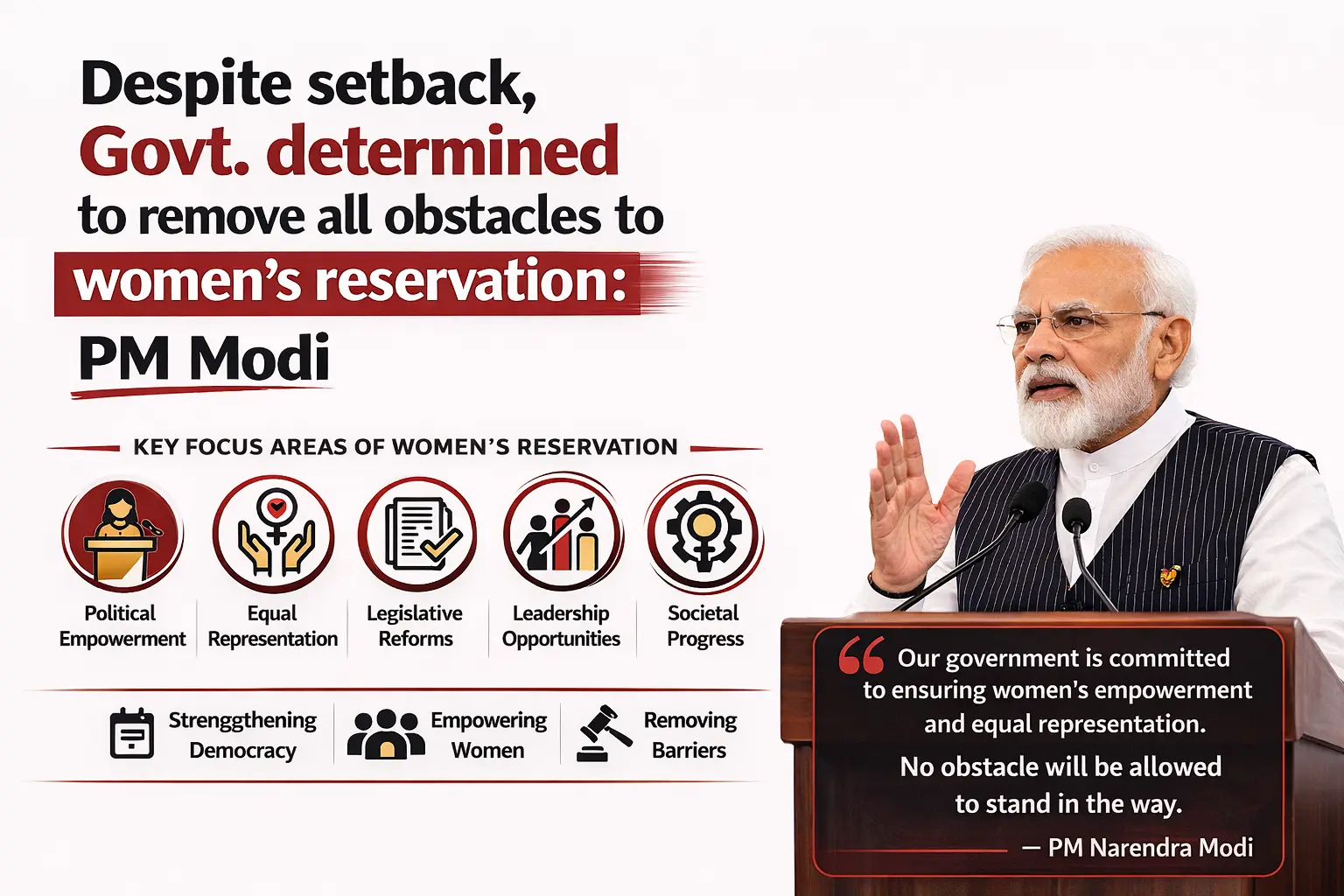
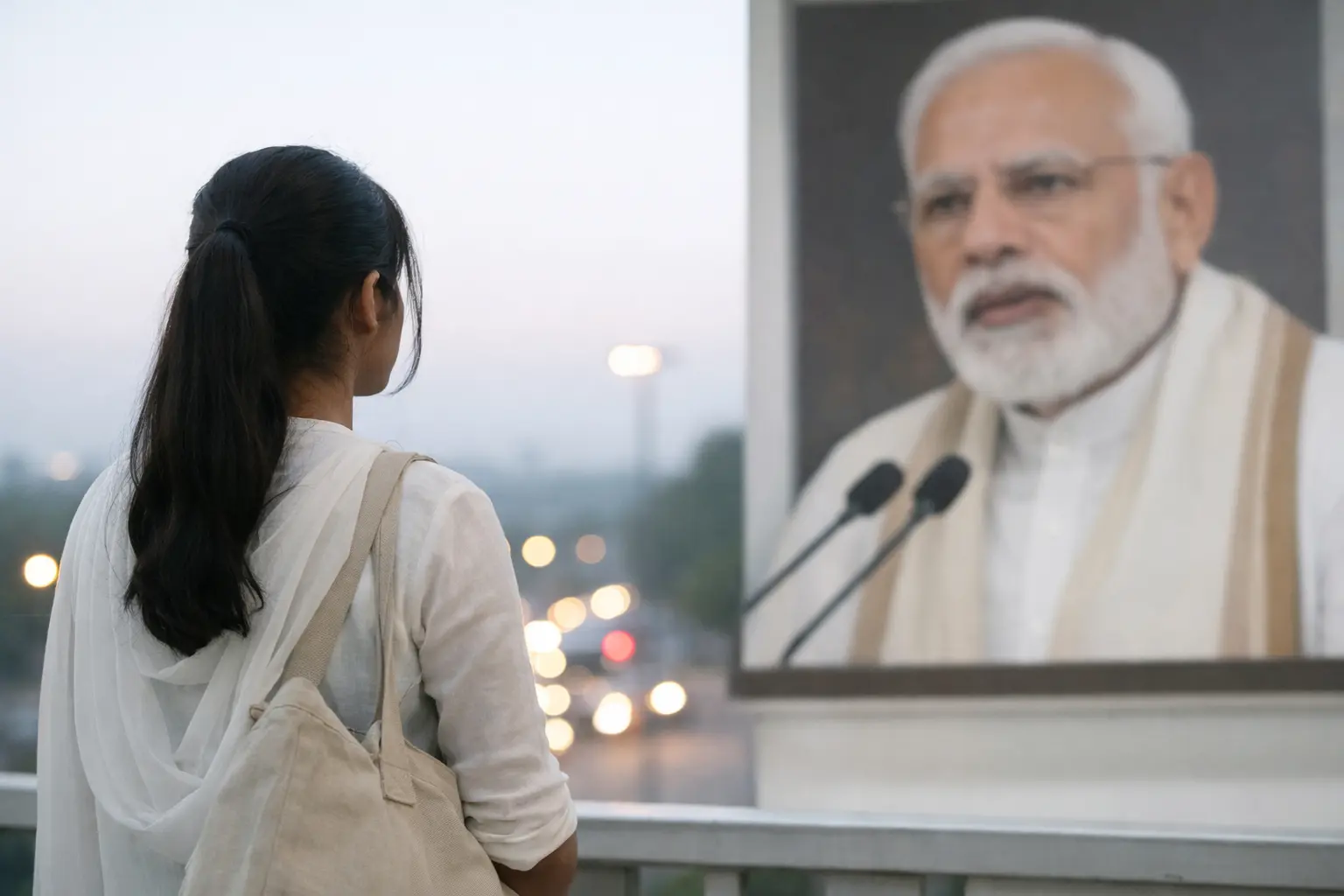
In a recent national address, Narendra Modi delivered a sharp and emotional message. He said the country is witnessing how the “desires and dreams of women have been crushed.”
It wasn’t a casual remark. It struck a nerve.
Because across India today, conversations around women empowerment in India, safety, and opportunity are louder than ever—and so are the contradictions.
Main Explanation
The Prime Minister’s statement comes at a time when the country is facing rising concerns around women’s safety issues in India, workplace inequality, and social pressure. On one side, India celebrates women breaking barriers—female pilots, CEOs, athletes, and entrepreneurs. On the other side, stories of harassment, violence, and systemic bias continue to dominate headlines.
So what exactly is happening?
There is a widening gap between promise and reality.
Young women are being told they can achieve anything. Yet many are still navigating unsafe public spaces, unequal pay, and societal expectations that quietly limit their choices. In rural areas, early marriages and lack of education still cut dreams short. In urban spaces, the pressure is different—but equally heavy.
It’s not just about opportunity. It’s about access—and safety.
And that’s where the system often fails.
Impact
The consequences are deeper than what statistics show.
When a woman feels unsafe stepping out at night, it’s not just fear—it’s a limitation on her freedom. When a talented student drops out due to family pressure, it’s not just one dream lost—it’s potential wasted for the entire country.
A recent trend shows that while more women are enrolling in higher education, workforce participation is not rising at the same pace. That gap tells a story.
A silent one.
Because somewhere between education and employment, something breaks.
Confidence fades. Opportunities shrink. Choices disappear.
One relatable reality: ask any young woman in a metro city if she shares her live location while traveling alone. Most do. Not as a feature—but as a necessity.
That says a lot.
Insight
Here’s the uncomfortable truth:
India doesn’t lack talent among women—it struggles with creating a consistent ecosystem that supports them.
Policies exist. Campaigns exist. Slogans exist.
But ground reality moves slower.
And sometimes, much slower.
“A country doesn’t fail its women in one moment. It fails them in small, repeated silences.”
There’s also a cultural layer that often goes unnoticed. Families encourage ambition—but within limits. Society celebrates success—but judges independence.
It’s a paradox.
And paradoxes are dangerous because they confuse progress with illusion.
Another hard truth:
“Empowerment without safety is just a promise on paper.”
If the Prime Minister’s statement signals anything, it’s that the issue is no longer being ignored at the highest level. But acknowledgment is only step one.
Action is what defines intent.
Conclusion
The dreams of women are not just personal ambitions—they are national assets.
Crushing them is not just unfair. It’s costly.
Because every time a woman steps back out of fear or pressure, the country loses a step forward.
One line to remember:
“When women stop dreaming freely, a nation stops growing fully.”
The real test now is simple:
Will this moment become a turning point—or just another headline?