400+ Arrested in Noida After Violent Protest: Was This Chaos Really Planned?
What turns a protest into a full-blown riot?
And more importantly—who benefits when anger spills onto the streets?
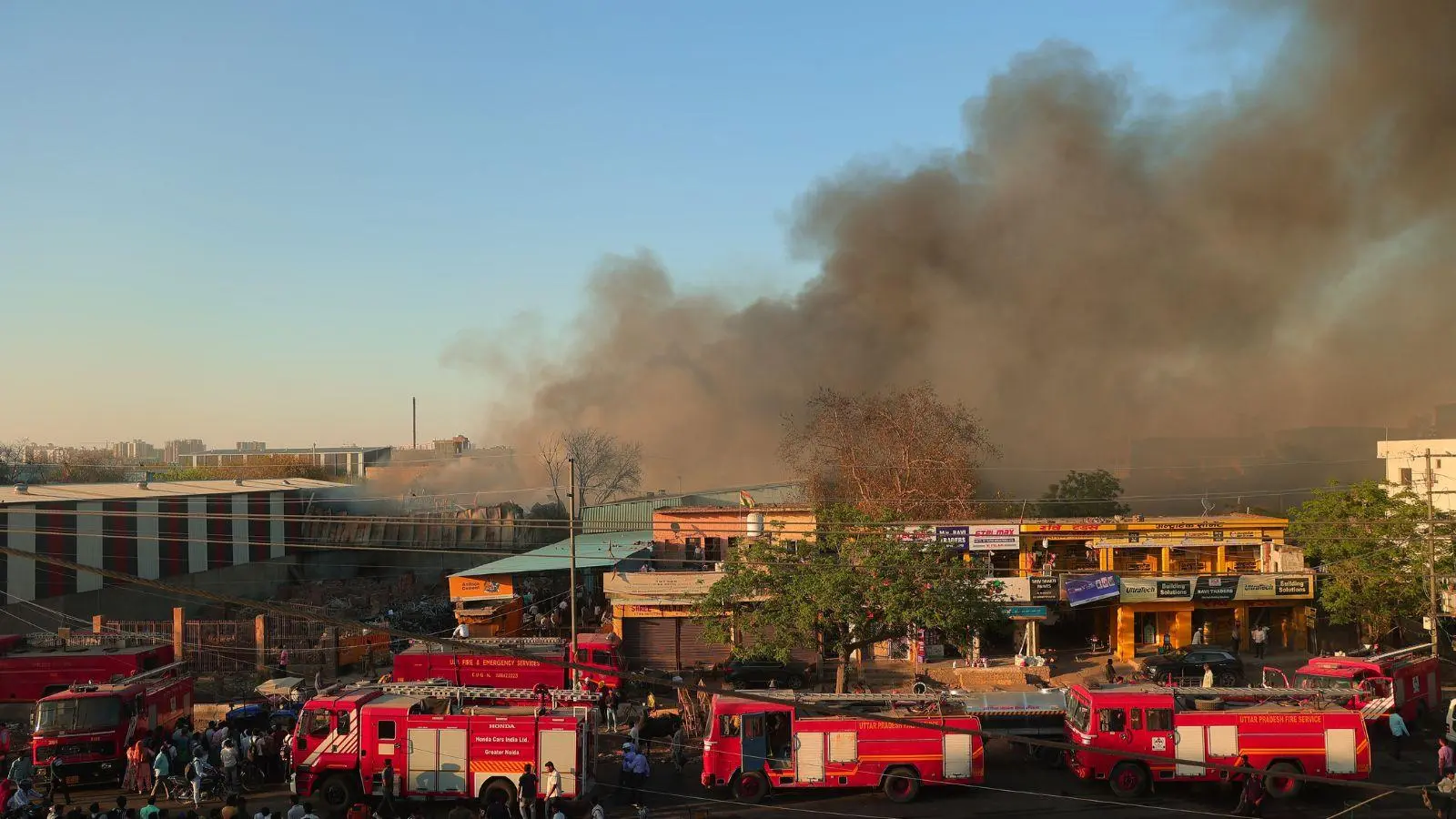
In Noida, what began as a public demonstration quickly turned into chaos. Offices were set on fire, cars were torched, and panic spread faster than facts. Within hours, more than 400 people were arrested. Now, the police are making a bold claim—“All of it was planned.”
That one statement changes everything.
What Actually Happened—and Why It Escalated
The protest reportedly started over a local issue, but the scale of destruction tells a different story. Videos circulating online show groups moving with coordination—targeting offices, smashing windows, and setting vehicles ablaze.
This wasn’t random anger.
According to authorities, this was a pre-organized protest gone violent, possibly driven by hidden agendas. The police believe that certain groups came prepared—not just to protest, but to create disruption.
And that raises a serious question:
Was this about justice—or control?
In recent years, protest violence in India has followed a troubling pattern. A trigger event sparks outrage, crowds gather, and within minutes, the situation spirals beyond control. Social media fuels it. Misinformation accelerates it.
And suddenly, nobody knows who started what.
The Real Impact: Fear, Loss, and Broken Trust
Behind every burning car is a person who worked years to buy it.
Behind every destroyed office is someone’s livelihood.
This isn’t just about law and order—it’s about real people losing real things.
Local businesses in Noida reported severe damage. Daily wage workers couldn’t earn that day. Families stayed indoors, afraid. Schools and offices shut down abruptly.
And then comes the mental impact—
The fear that your city can turn unsafe overnight.
One shopkeeper reportedly said, “We didn’t even know what the protest was about. We just saw smoke and people running.”
That’s the reality of urban unrest in India today—
People suffer first, explanations come later.
The Uncomfortable Truth No One Talks About
Let’s be honest—
Not every protest is purely about justice anymore.
Some are influenced. Some are manipulated. And some are designed to fail from the start.
“Anger is powerful. But controlled anger is profitable—for someone.”
When large groups gather, it only takes a few instigators to flip the switch. And once violence begins, the original cause gets buried under headlines of destruction.
This is where things get dangerous.
Because now, even genuine protests start losing credibility.
People begin to ask:
Is this real? Or is this staged?
And slowly, trust erodes.
A Pattern We Can’t Ignore
Over the past decade, there has been a noticeable shift:
Earlier: Protests were organized, focused, and mostly peaceful
Now: Protests escalate quickly, often ending in chaos
It’s not just about emotion anymore—it’s about mobilization speed. WhatsApp groups, viral posts, and instant coordination have changed the game.
A small spark now becomes a wildfire in minutes.
And authorities are always one step behind.
One Line You Can’t Ignore
This wasn’t just a protest.
It was a signal.
What This Means Going Forward
The arrests of 400+ individuals send a strong message—but it also opens a bigger debate:
Are stricter laws needed to control violent protests?
Or are we ignoring the deeper causes behind public anger?
Because suppressing the outcome without understanding the root is a temporary fix.
“You can control the crowd, but not the frustration that created it.”
At the same time, accountability is non-negotiable. Violence cannot be justified—no matter the cause.
Conclusion: A City’s Warning to the Nation
Noida’s incident is not isolated. It’s a reflection of a growing tension—between public expression and public safety.
If protests continue to turn into destruction, society will start fearing its own voice.
And that’s dangerous.
Because when people stop believing in peaceful protest,
they either stay silent—or explode louder.
The real question isn’t who planned this.
It’s why this keeps happening.