Introduction
We were promised a faster life. So why does everything feel more rushed?
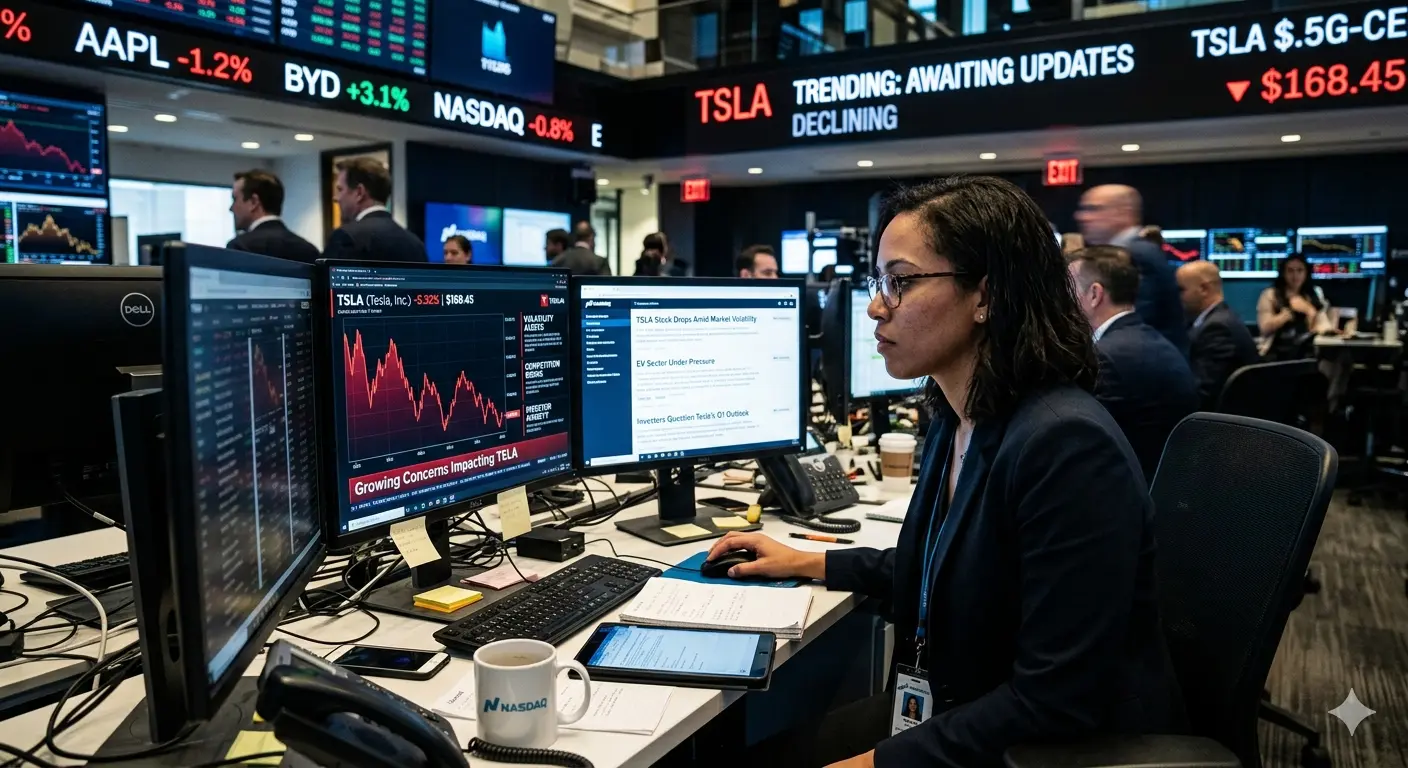
From smart assistants to instant messaging, technology was built to save time. Yet today, people check their phones dozens of times an hour, reply to messages late into the night, and feel constantly behind. The question is uncomfortable—but necessary: is technology actually freeing us, or quietly making us busier?
Main Explanation
On paper, technology is a time-saver. Emails replaced letters. Online banking removed queues. Apps now handle everything from groceries to meetings.
But something else happened along the way.
As tasks became faster, expectations grew higher.
When a message can be sent instantly, it is expected to be answered instantly. When work can be done from anywhere, it is expected to be done everywhere. This is the paradox of digital productivity—the more efficient we become, the more work we take on.
Take remote work tools as an example. Platforms like video calls and team chats were meant to simplify collaboration. Instead, many employees now juggle back-to-back meetings, constant notifications, and an endless stream of updates.
Speed didn’t reduce workload. It increased it.
And then there’s smartphone addiction. A device designed for convenience has become a constant demand for attention. Social media, emails, news alerts—they don’t wait. They interrupt.
Not occasionally. Constantly.
A typical day now includes dozens of micro-tasks: replying, checking, scrolling, reacting. Each one takes seconds. Together, they consume hours.
Impact
The effects are not just about time. They’re about how we feel.
People today report higher levels of stress, even when tools are more advanced than ever. The rise of work-life balance issues is not a coincidence—it’s a direct result of blurred boundaries.
Work no longer ends when you leave the office.
It follows you home, into your phone, into your thoughts.
There’s also a mental cost. Constant switching between tasks—messages, apps, notifications—reduces focus. It creates a sense of being busy without being productive.
You feel tired, but not satisfied.
And socially, something subtle is shifting. Conversations are shorter. Attention spans are shrinking. Even moments meant for rest—like meals or weekends—are interrupted by screens.
You’re present, but not fully there.
One common scene: someone unlocking their phone to check one thing… and 20 minutes later, they don’t even remember what they came for.
Insight
Here’s the uncomfortable truth:
Technology didn’t steal our time. It changed how we value it.
We optimized everything—except limits.
The problem is not the tools. It’s the culture around them. A culture where being busy feels important. Where quick replies are seen as commitment. Where silence is mistaken for laziness.
“Being available all the time is not productivity. It’s pressure in disguise.”
In the past, delays were normal. Waiting was part of life. Today, delay feels like failure. And that pressure keeps people constantly engaged, even when they don’t need to be.
There’s also a deeper psychological layer. Technology feeds ambition. More connections, more opportunities, more information. But it also feeds comparison.
You don’t just work anymore—you compete, constantly, often silently.
“Technology gave us tools to save time. We used them to fill every empty second.”
And maybe that’s the real shift. We are no longer comfortable with doing nothing.
Even boredom has been replaced.
Conclusion
Technology is not the villain. But it’s not the hero we imagined either.
It has made life faster—but not necessarily easier. More connected—but not always more meaningful.
The real question is not whether technology saves time.
It’s whether we allow ourselves to keep any.
“Efficiency without boundaries turns into exhaustion.”
Because in the end, time isn’t just about speed. It’s about control.
And right now, many people have never been faster—yet never felt more behind.