Are we using AI… or slowly depending on it more than we realize?
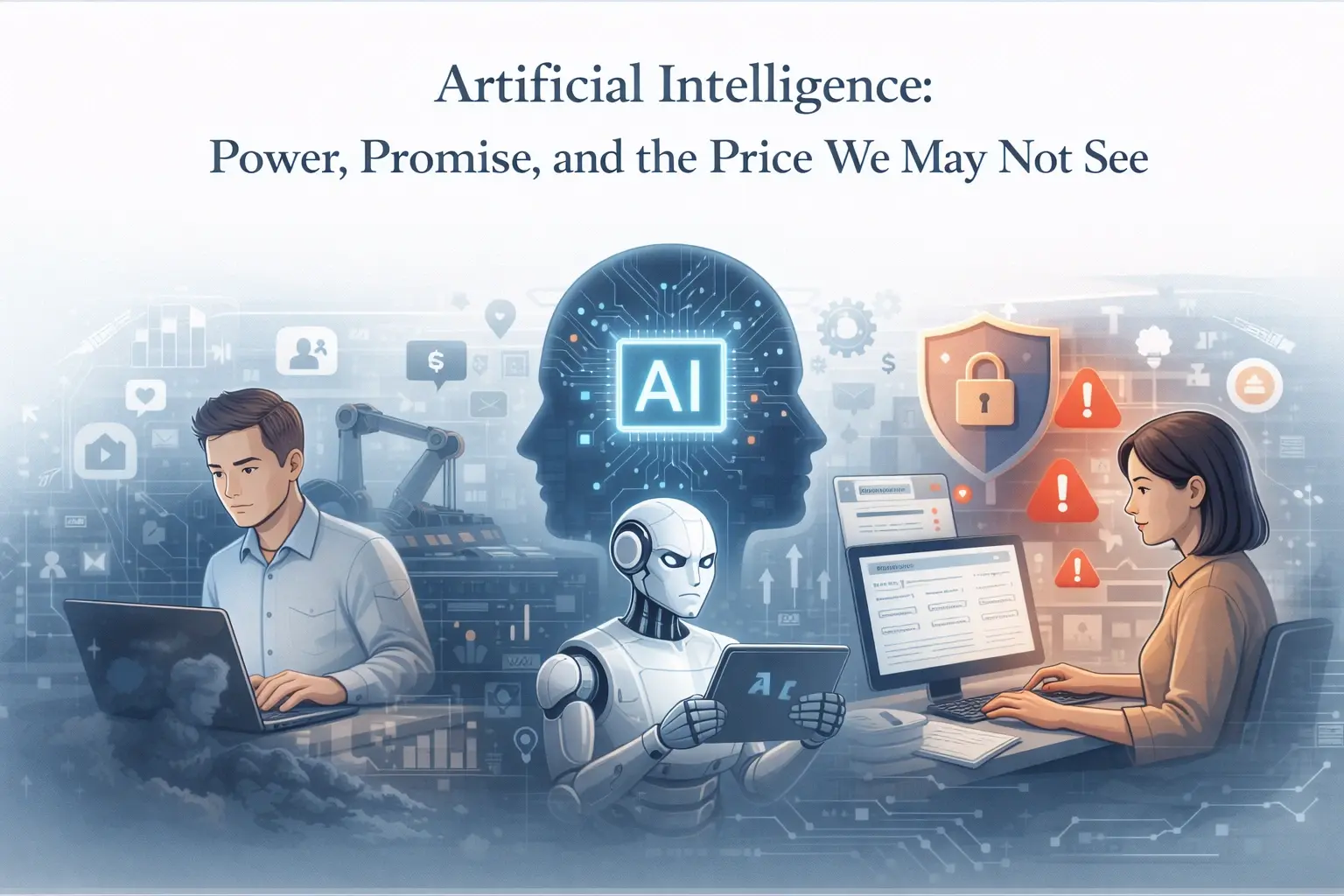
In 2026, artificial intelligence is everywhere—writing emails, coding apps, summarizing meetings, even helping students finish assignments faster than ever. It feels like power in your pocket.
But here’s the uncomfortable question: what happens when the tool starts thinking for you?
Introduction: The Rise You Can’t Ignore
Just a few years ago, AI tools felt experimental. Today, they feel essential.
From freelancers using AI for faster content creation to companies automating entire workflows, the shift is massive. In India alone, millions of users now rely on AI productivity tools daily—sometimes without even noticing it.
You open a blank page.
AI fills it.
Convenient? Absolutely.
Harmless? Not so simple.
Main Explanation: What’s Happening—and Why
AI in 2026 is no longer just a “tool.” It has become a default layer in how people work.
Why?
Because it saves time. And time is everything.
Students use AI to generate notes instead of writing them.
Developers use AI to write code snippets in seconds.
Marketers rely on AI for captions, emails, and strategy drafts.
This is the era of AI automation in daily life.
And it’s growing fast because it removes friction. Thinking is hard. AI makes it easy.
But ease has a cost.
Earlier, you had to struggle to learn something. Now, you can skip the struggle entirely. That’s not just efficiency—that’s a shift in behavior.
Impact: What It’s Doing to People
The effects are already visible.
1. Mental Dependency
People are starting to outsource thinking.
A student hesitates before answering a simple question—not because they don’t know it, but because they’re used to checking AI first.
That pause matters.
“When you stop practicing thinking, thinking stops improving.”
2. Skill Dilution
If AI writes your emails, builds your code, and structures your ideas—what skills are you actually strengthening?
A recent trend shows that beginners are advancing faster, but struggling deeper. They can produce results, but can’t always explain them.
That gap is dangerous.
3. Pressure to Keep Up
Ironically, AI creates stress too.
If everyone is using AI to move faster, you feel forced to do the same just to stay relevant. It’s no longer an advantage—it’s the baseline.
“In 2026, speed is no longer impressive. It’s expected.”
4. Blurred Ownership
Who created the work—you or the machine?
This question is getting harder to answer. And in fields like writing, design, and coding, that line is already fading.
Insight: The Hidden Truth Most People Ignore
Here’s the part people don’t like to admit:
AI is not just changing how we work.
It’s quietly changing how we think.
And thinking is not something you should outsource completely.
Yes, AI can make you faster. But speed without depth creates fragile expertise.
A developer who relies too much on AI may ship faster—but struggle when something breaks.
A student who uses AI for assignments may score well—but fail in real understanding.
Let’s be honest for a second—have you ever used AI for something you could have done yourself, just because it was easier?
That’s the moment dependency begins.
“Convenience is addictive. And addiction doesn’t feel dangerous at first.”
There’s also a deeper shift happening:
People are becoming decision-light but output-heavy.
They produce more. But think less.
And that imbalance builds over time.
Conclusion: Tool or Trap?
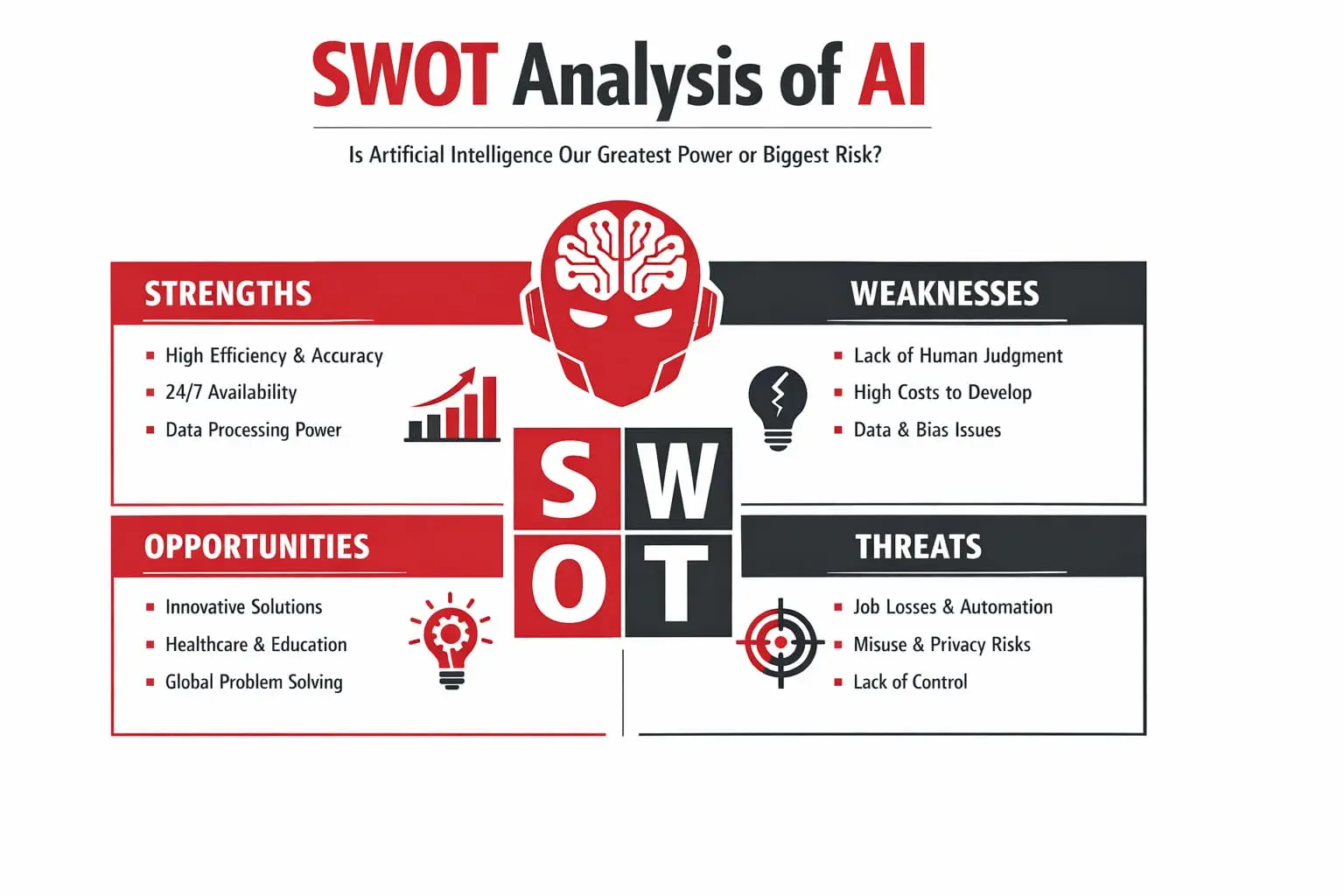
AI in 2026 is powerful. No doubt about that.
It can boost productivity, unlock creativity, and save hours of effort. But it also comes with a quiet trade-off—your independence in thinking.
So what is AI really?
A tool? Yes.
A shortcut? Often.
A hidden dependency? Increasingly.
The difference depends on how you use it.
“The smartest people won’t be the ones who use AI the most.
They’ll be the ones who know when not to use it.”
Because in the end, tools should extend your abilities—not replace them.
And if you’re not careful, the line between help and dependence disappears faster than you think.