Why Artemis II Could Change the Future of Moon Missions
For decades, the Moon felt like history.
Now it feels like the future again.
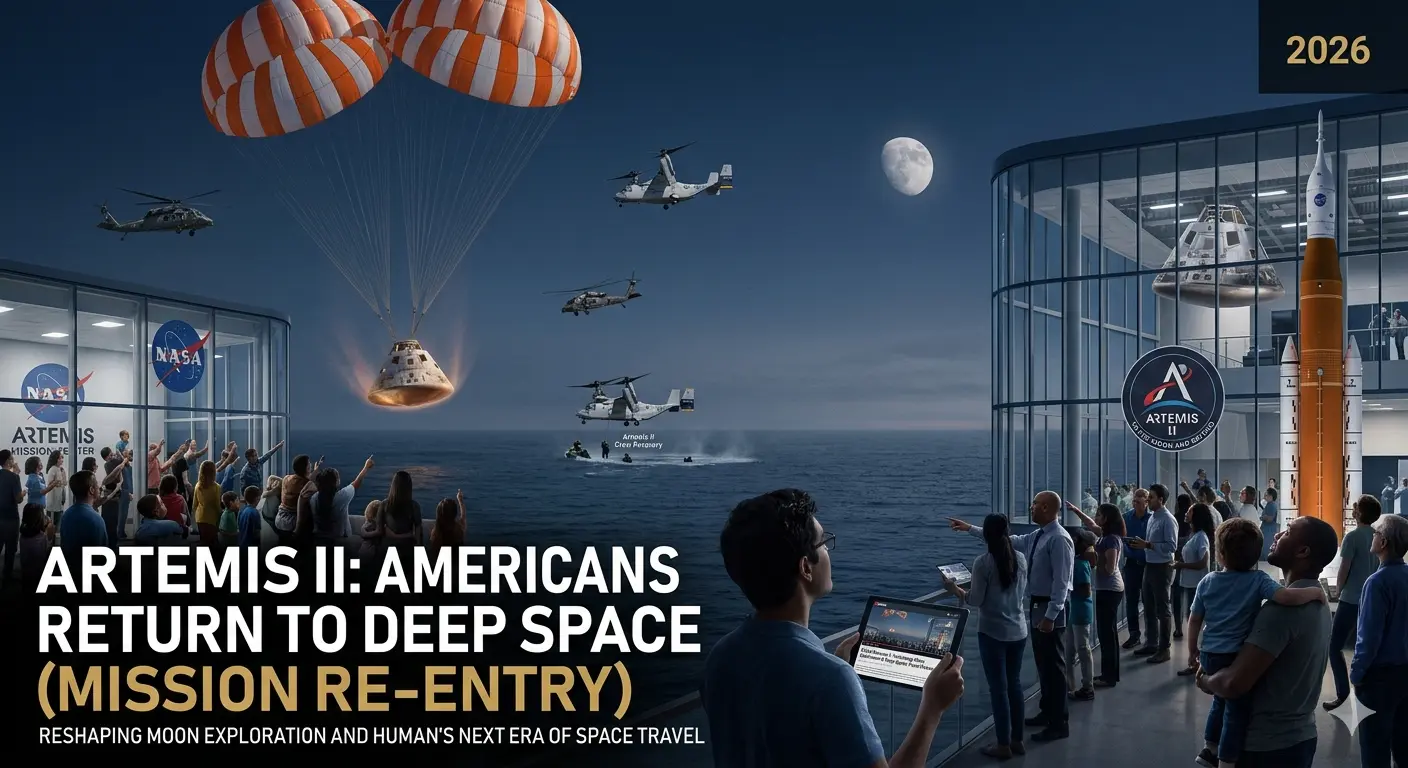
That shift is one reason NASA’s Artemis II mission is attracting growing attention across the United States as people begin asking a much bigger question:
Could this mission change the future of human space exploration forever?
For many Americans, the answer might be yes.
Why Artemis II Matters So Much
Artemis II is more than another space mission.
It represents a major step toward returning humans deeper into space after decades of limited human exploration beyond Earth’s orbit.
The mission is part of NASA’s larger Artemis program focused on:
future Moon missions
astronaut exploration
long-term lunar goals
preparation for future deep-space travel
That makes Artemis II symbolically powerful.
It signals that human exploration ambitions are growing again.
Why the Moon Matters Again
Years ago, Moon missions represented global achievement and scientific progress.
Now the Moon is becoming strategically important once more.
Space agencies increasingly view lunar missions as preparation for larger goals involving:
advanced research
long-term space survival
future Mars exploration
The Moon is no longer seen only as a destination.
It is becoming a testing ground for humanity’s future in deep space.
Why Public Interest Is Rising
People are becoming fascinated again because Artemis II feels connected to something larger than science.
It represents:
ambition
risk
technological progress
human curiosity
Searches are rising because people want to understand:
how dangerous the mission is
what astronauts will experience
whether Moon missions are becoming normal again
That emotional curiosity keeps growing online.
The Pressure on NASA
Expectations around Artemis II are enormous.
Success could strengthen public confidence in future missions.
Failure could damage momentum dramatically.
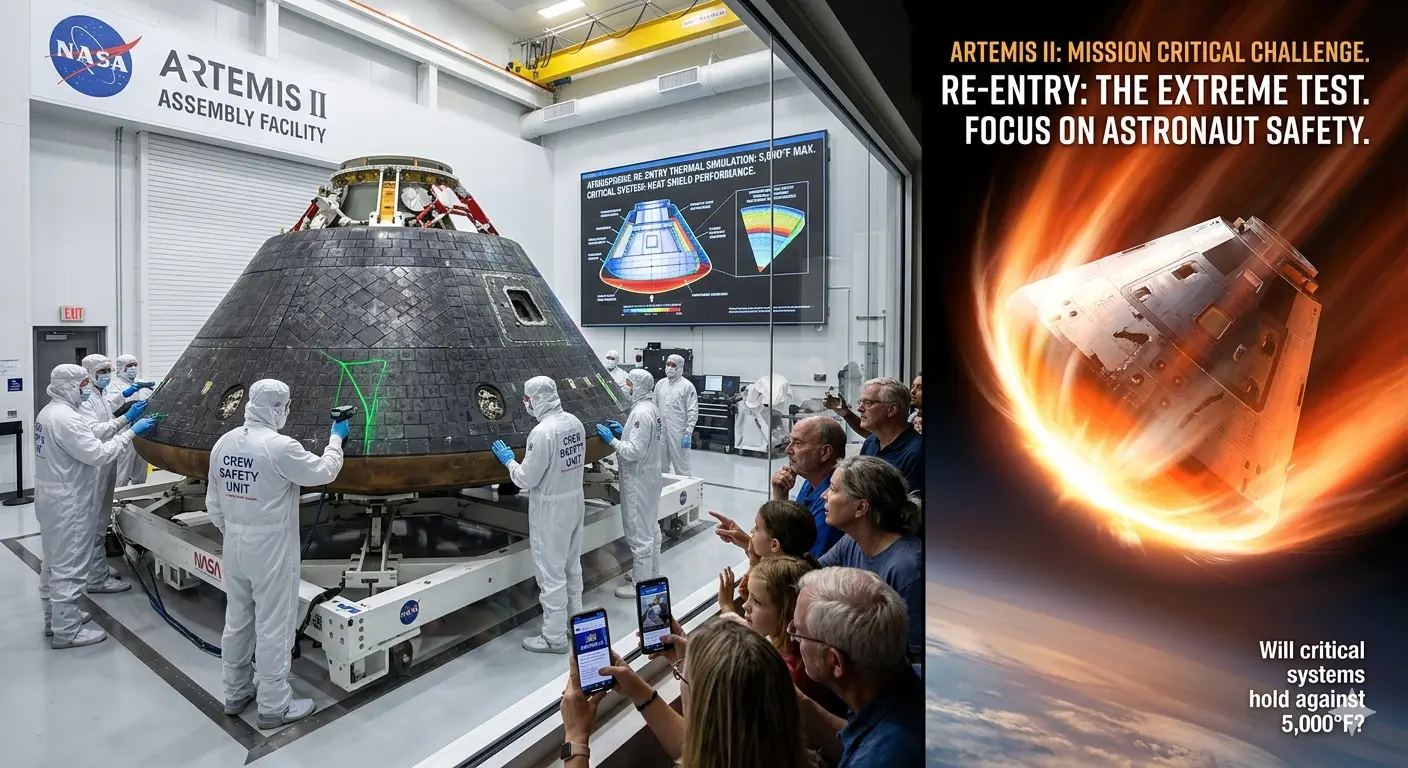
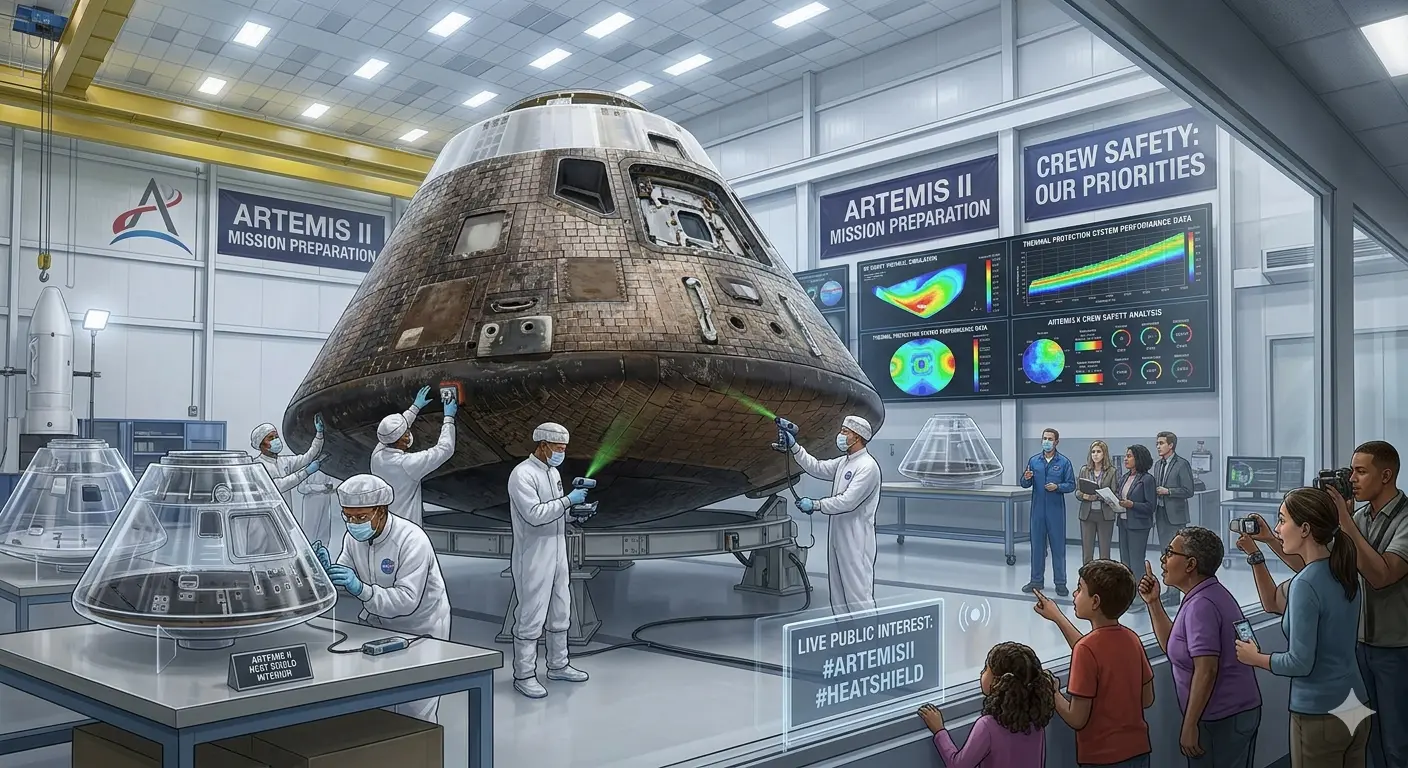
That pressure affects everything from engineering decisions to safety systems.
Because when human lives are involved, every detail matters.
The Bigger Shift in Human Exploration
Something important is changing globally.
Humanity is slowly returning to long-term space ambitions after years of limited deep-space focus.
Private companies, governments, and global space programs are all increasing investment in exploration technology.
That creates a feeling that a new space era may already be beginning.
Insight
Here’s the reality:
“Every generation eventually asks how far humans are willing to go.”
Space exploration keeps returning because curiosity never disappears completely.
People want to push beyond limits.
Even dangerous ones.
A Real-World Observation
Watch how people react to Moon mission news.
Even individuals who rarely follow science suddenly become interested.
Because space exploration still creates something rare:
Collective imagination.
Powerful Lines
“The Moon is becoming important again for a new generation.”
“Human exploration always returns to the horizon.”
“Space missions survive because curiosity survives.”
Conclusion
Artemis II matters because it represents far more than a single mission.
It reflects humanity’s growing desire to explore beyond Earth once again.
And if the mission succeeds—
it could help define the next era of human space exploration.